ICAC signs Morocco, Thailand anti-graft cooperation pacts
HK01 · 3 SOURCESabout 2 hours ago2 MIN
Summary
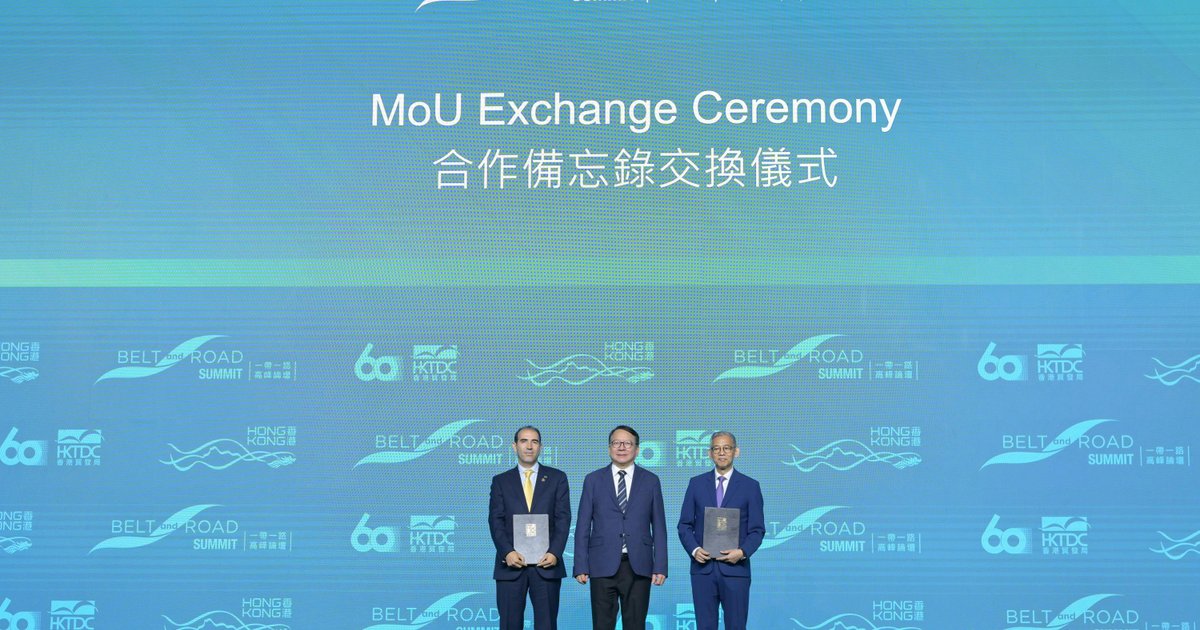
Hong Kong’s Independent Commission Against Corruption exchanged signed cooperation memoranda with Morocco’s National Authority for Probity, Prevention and the Fight against Corruption and Thailand’s Public Sector Anti-Corruption Commission during the Belt and Road Summit in Hong Kong on 9 September. The moves followed bilateral meetings on 8 September between ICAC Commissioner Danny Woo Ying-ming and the heads of the two overseas agencies. The agreements are intended to deepen information sharing, training and joint anti-graft initiatives under the Belt and Road framework. ICAC said it has signed a total of 14 memoranda with overseas anti-corruption bodies or international organisations since 2024.
Key Points
- At the 9 September exchange ceremony in Hong Kong, Chief Secretary Eric Chan Kwok-ki witnessed Commissioner Danny Woo Ying-ming swap documents with Moroccan and Thai representatives
- On 8 September, Woo and senior ICAC officers held a bilateral meeting with Mohamed Benalilou of Morocco’s anti-corruption authority before the memorandum exchange.
- Both sides called the Morocco memorandum a milestone and said they hoped to use Morocco as a platform for wider anti-corruption cooperation across Africa.
- ICAC said it would share experience from establishing the Hong Kong International Academy Against Corruption and help Morocco set up local training facilities.
- With Thailand, the memorandum was signed by Deputy Commissioner and Head of Operations Ricky Yau Shu-chun and secretary-general Bhumivisan Kasemsook, with future cooperation spanning enforcement, prevention and education.
Why It Matters
For Hong Kong readers, the agreements show how the city is using the ICAC’s reputation and the Hong Kong International Academy Against Corruption to expand its role in cross-border governance cooperation linked to the Belt and Road initiative. They also position Hong Kong as a training and coordination hub for anti-corruption work in North Africa and Southeast Asia, rather than only a local enforcement centre.