Cheng Ka-sing Emerges as Idol-Style Dark Horse
SingTao · 1 SOURCESabout 3 hours ago4 MIN
Summary
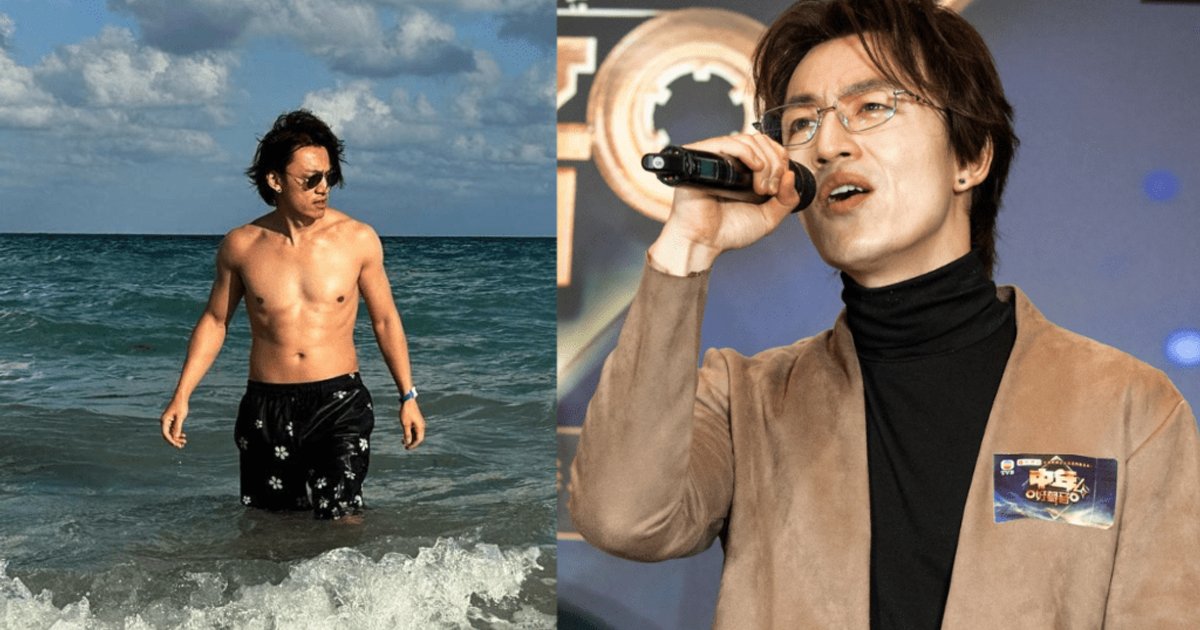
TVB’s The Voice of Middle Age 4 is heading to its grand final on August 23 at Kai Tak Arena, where seven contestants will compete for the championship. Among them, Canada-based Cheng Ka-sing has become one of the most watched finalists after being praised for strong vocals, stage presence and what judge Tommy Cheung described as the season’s strongest idol appeal.
Key Points
- The final will be held on August 23 at Kai Tak Arena, hosted by Maria Cordero? No, hosted by Che Wan-wan, with Maria Cordero, Tommy Cheung, Chow Kwok-fung, Hedy and Vivian Koo on the judging panel.
- Guest judges Hacken Lee and Eric Moo will join the final, where seven finalists including Wan King-shun, Ng Yik-wai and Cheng Ka-sing will compete.
- Cheng, 36, first impressed in the opening round with Karen Mok’s “He Doesn’t Love Me”, earning five lights and advancing directly.
- Known as the show’s “dance king”, he later set aside dancing in a crucial round to sing “No Way Out”, winning praise for proving he was more than a performer.
- He said he had once seen his singer dream collapse after being mocked over his age and appearance, but has now re-emerged as one of the season’s dark horses.
- Beyond the competition itself, Cheng’s backstory has become part of his appeal. He decided at 18, while performing in Macau, that singing would be his lifelong career, later winning a popularity award in a Toronto rookie contest in 2012 and signing with a record company in 2015, only to wait a year and a half without releasing any songs.
- He later self-funded music releases, but the pandemic disrupted those efforts, and even a planned album collaboration with veteran musician Lee Kin-tat did not lead to a formal debut. Last year, he flew back to Hong Kong for auditions for The Voice of Middle Age 3, but was turned away because he was still three months short of the minimum age of 35. He returned this year, won first place in the Toronto audition and secured direct entry to the Hong Kong competition.
- Cheng moved to Canada with his family at age seven. Outside music, he holds a taekwondo black belt, works as a dance instructor, creates content on YouTube, has acted in short films and was involved in a production that won best film at a Toronto film festival. In daily life, he also works as a professional hairstylist.
- His decision to return to Hong Kong for the contest was backed by clients at his salon in Canada, who not only encouraged him emotionally but also gave him large tips as settling-in money while he pursued the competition. Their pooled support became a practical and symbolic vote of confidence in his career gamble.
- On stage, Cheng has repeatedly stood out with unusual song choices and concepts. In the “Black and White Glory Switch Round”, he performed the classic “Lee Heung-lan” and said his interpretation was inspired not by original singer Jacky Cheung but by Stephen Chow’s film From Beijing with Love. In the “Original Singers’ Night”, he reunited with Lee Kin-tat and performed “Maybe Not Easy” in a high-low octave duet arrangement that again won strong praise from judges.
Why It Matters
For Hong Kong viewers, Cheng’s run adds a cross-border, second-chance narrative to a competition built around later-life music dreams, especially after he missed the previous season on an age technicality.
His progress into the final also gives the August 23 showdown an added storyline: whether a contestant once blocked by timing, setbacks and ridicule can convert momentum and public goodwill into a title-winning performance.