Shantou Fire Report Blames Mosquito Coil for 12 Deaths; Officials Face Prosecution
On.cc · 2 SOURCESabout 5 hours ago2 MIN
Summary
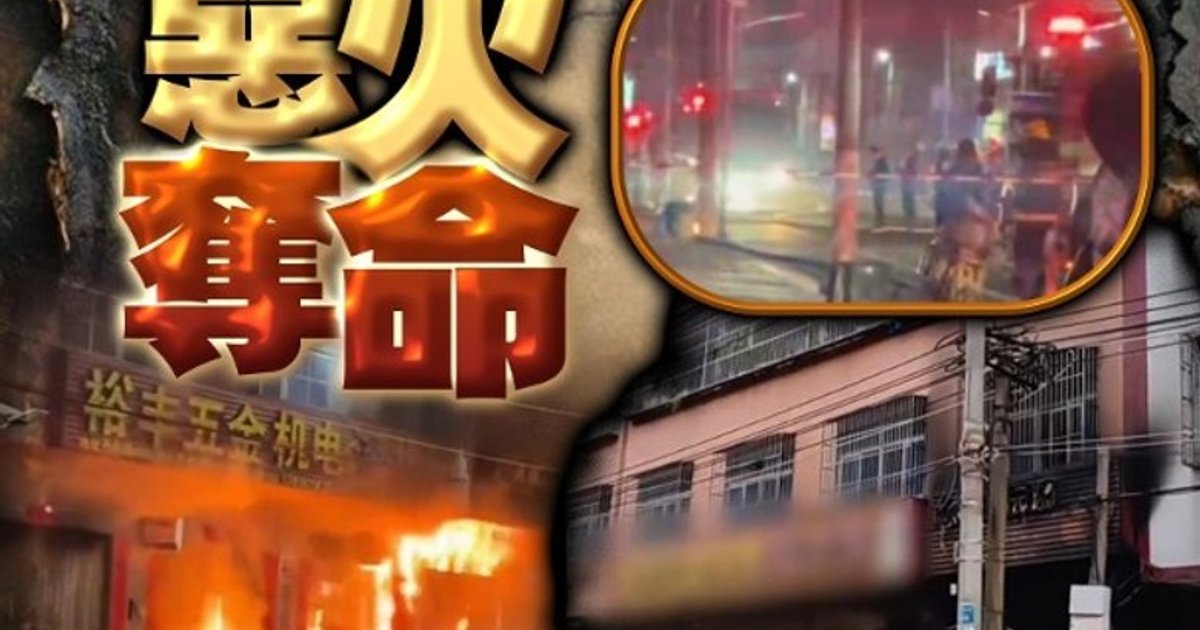
Guangdong Province authorities have published the long-awaited investigation report into the tragic fire that engulfed a self-built building in Shantou's Chaonan District on December 9 last year, killing 12 members of the same family . The Guangdong Emergency Management Department released its findings on Friday, October 16, concluding that the disaster was caused by the careless handling of a mosquito coil in a hardware store on the ground floor . The initial ignition of the coil's burning incense stick quickly spread to nearby combustible materials, ultimately causing lithium-ion battery thermal runaway and subsequent explosions of hazardous aerosol canisters stored inside .
Key Points
- The fire burned across 150 square metres at the Yufeng Hardware and Electrical Appliances Store, causing approximately 406,300 yuan (HK$470,000) in direct economic losses
- Combustible materials ignited by the mosquito coil triggered cascading explosions of lithium batteries, polyurethane foam canisters, butane gas cartridges, and spray paints
- The Yufeng store failed to meet legal safety production requirements and lacked proper safety management protocols
- The Guangdong Building Fire Facilities Testing Center conducted seriously inaccurate assessments during fire hazard inspections, with systematic failures at every level
- Multiple government departments including the Shantou Housing and Urban-Rural Development Bureau and fire rescue units inadequately enforced building safety regulations
Why It Matters
This case exposes systemic failures in Guangdong's building safety supervision, particularly regarding the proliferation of unregulated self-built structures in urban areas . The prosecution of both private entities and government officials signals a harder line on safety violations that contributed to mass casualties . For Hong Kong readers, the incident serves as a stark reminder of the potential consequences when fire safety standards and inspection regimes break down, issues directly relevant to similar concerns about aging urban infrastructure in the SAR.
This case exposes systemic failures in Guangdong's building safety supervision, particularly regarding the proliferation of unregulated self-built structures in urban areas . The prosecution of both private entities and government officials signals a harder line on safety violations that contributed to mass casualties . For Hong Kong readers, the incident serves as a stark reminder of the potential consequences when fire safety standards and inspection regimes break down, issues directly relevant to similar concerns about aging urban infrastructure in the SAR.