Government Urges Caution on Scalping Regulations to Avoid Deterring Concert Investment
HK01 · 4 SOURCESabout 1 hour ago5 MIN
Summary
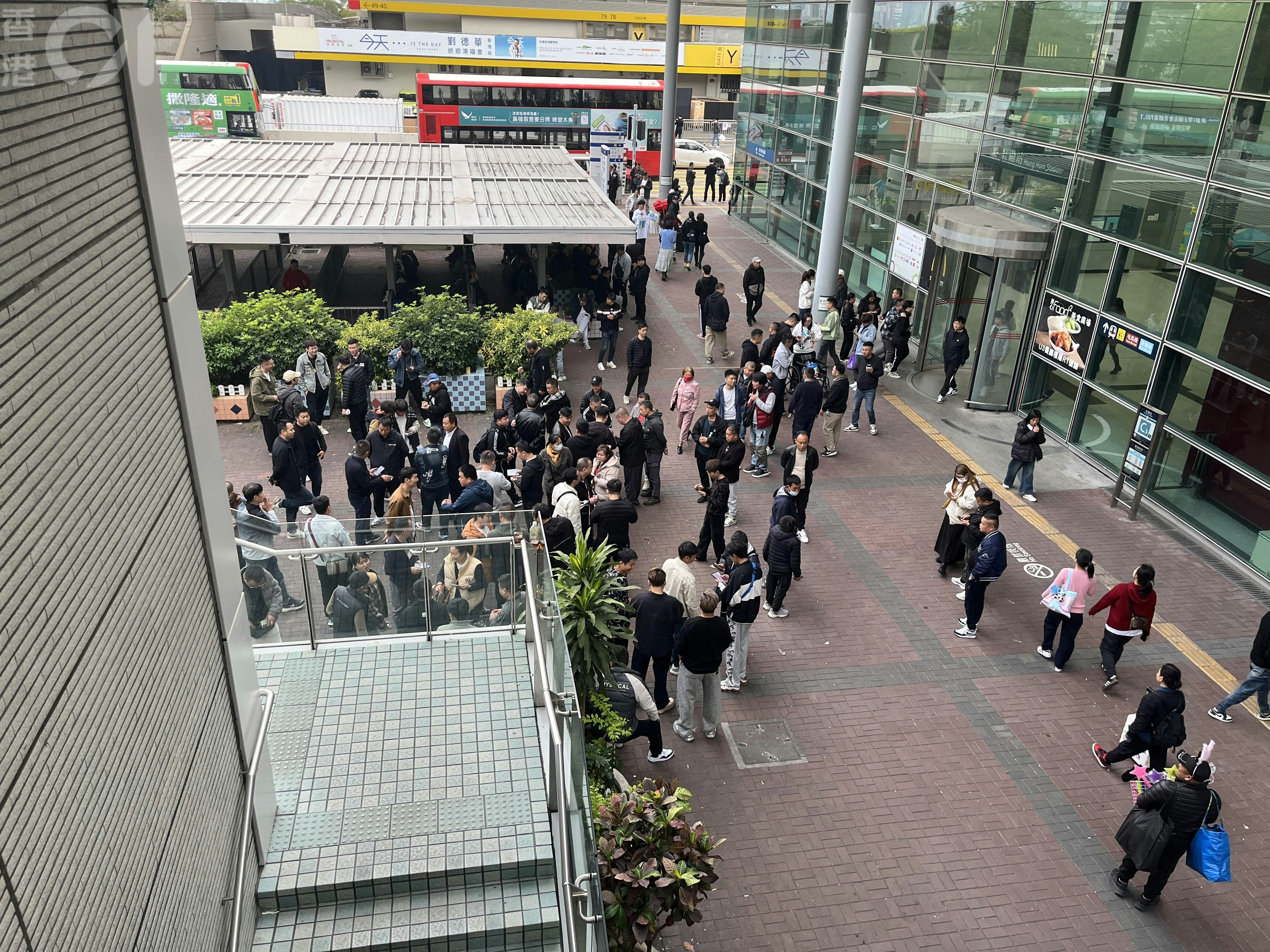
Culture, Sports and Tourism Bureau Chief Lo Shuk-yin (羅淑佩) has told the Legislative Council that while the government remains concerned about ticket scalping and counterfeit tickets, public entertainment activities operate as market behaviors with multiple underlying causes. Any regulatory approach must be carefully considered to avoid deterring investors, she said in a written reply to a question from lawmaker Kwok Ho-ming (管浩鳴). The government has been progressively adjusting internal ticket sales ratios and implementing administrative measures to ensure fair ticket distribution through official channels.
Key Points
- The Leisure and Cultural Services Department (LCSD) has reduced the internal sales cap from 80% to 70% for shows with four or more performances at the Hong Kong Coliseum and Queen Elizabeth Stadium since July 2019
- The Kai Tak Sports Park requires organizers to offer at least 50% of tickets for public sale, with advance announcement of ticket sales details and enhanced monitoring by ticketing platforms
- Under the Public Entertainment Ordinance (Cap. 172), reselling tickets above face value is illegal with a maximum fine of HK$2,000
- LCSD employs administrative measures including real-name registration, ballot systems, purchase limits, and delayed ticket collection to combat scalping
- Police have not compiled statistics on ticket scalping reports, and LCSD received no complaints in the past three years
Why It Matters
The government's balanced approach reflects a broader tension between protecting consumers from inflated prices and maintaining Hong Kong's attractiveness as a venue for large-scale entertainment events. With the Kai Tak Sports Park now operational, how the government calibrates its regulatory stance could significantly influence whether major international artists choose Hong Kong as a concert destination over competing regional markets. The absence of concrete complaint data also raises questions about enforcement effectiveness and whether existing penalties serve as a meaningful deterrent.
The government's balanced approach reflects a broader tension between protecting consumers from inflated prices and maintaining Hong Kong's attractiveness as a venue for large-scale entertainment events. With the Kai Tak Sports Park now operational, how the government calibrates its regulatory stance could significantly influence whether major international artists choose Hong Kong as a concert destination over competing regional markets. The absence of concrete complaint data also raises questions about enforcement effectiveness and whether existing penalties serve as a meaningful deterrent.