TCM Experts Detail Identification Methods for Two Types of Huangbai Bark
Bastillepost · 1 SOURCESabout 2 hours ago5 MIN
Summary
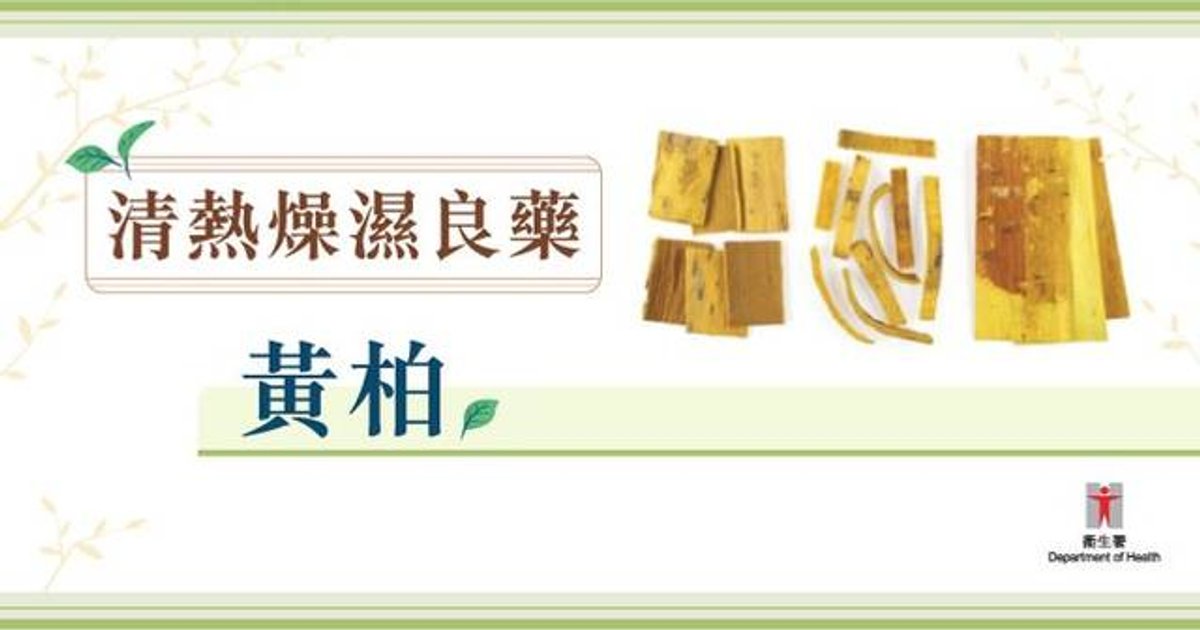
Hong Kong's Government Chinese Medicines Testing Centre has published comprehensive identification guidelines for two varieties of Huangbai (cork tree bark) used in traditional Chinese medicine. Chuan Huangbai (川黃柏) and Guan Huangbai (關黃柏), both recognized for their heat-clearing and dampness-drying properties, require precise differentiation due to varying chemical compositions despite their similar appearance. The centre's simplified microscopic techniques aim to assist healthcare professionals in ensuring accurate dispensing and optimal therapeutic outcomes.
Key Points
- Chuan Huangbai derives from Phellodendron chinense while Guan Huangbai comes from Phellodendron amurense, both from the Rutaceae family
- The two varieties were officially listed as separate Chinese medicines in the 2005 edition of the Chinese Pharmacopoeia
- From visual inspection, Chuan Huangbai shows inelastic cork on the outer surface, whereas Guan Huangbai has thicker, slightly elastic cork
- Under microscopic examination, Chuan Huangbai contains numerous branched stone cells, while Guan Huangbai shows only occasional branched stone cells
- The testing centre's identification resources, including identification monographs and teaching materials, are available on the Chinese Medicines Regulatory Office website
Why It Matters
With summer heat and humidity increasing the risk of gastrointestinal ailments, accurate identification of these heat-clearing medicines becomes critical for effective treatment. The simplified identification methods empower community pharmacists and traditional Chinese medicine practitioners to verify product authenticity, protecting public health and ensuring therapeutic efficacy. This initiative supports the broader development of quality assurance standards for Chinese medicines in Hong Kong.
With summer heat and humidity increasing the risk of gastrointestinal ailments, accurate identification of these heat-clearing medicines becomes critical for effective treatment. The simplified identification methods empower community pharmacists and traditional Chinese medicine practitioners to verify product authenticity, protecting public health and ensuring therapeutic efficacy. This initiative supports the broader development of quality assurance standards for Chinese medicines in Hong Kong.