Unlicensed Cancer Vaccine Ring Busted: Multiple Firms Promoted Hong Kong Injections Despite German Manufacturer's Warning
HK01 · 2 SOURCES1 day ago6 MIN
Summary
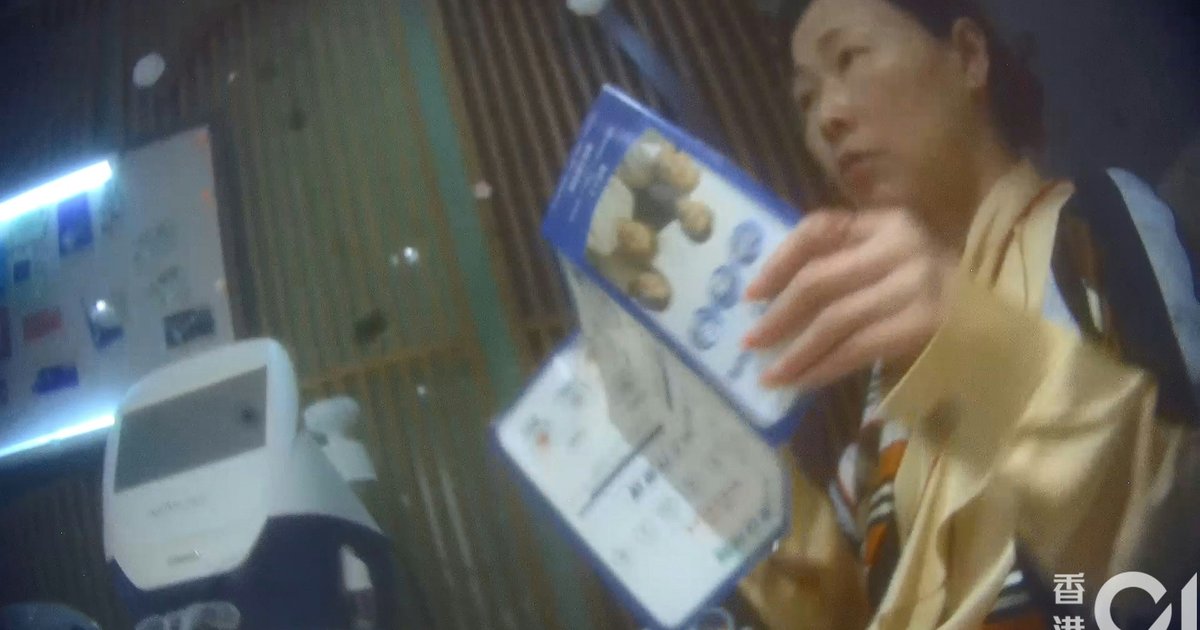
Hong Kong's Department of Health has launched an investigation into the Asia Pacific Medical Centre (亞太醫療中心) for administering unlicensed WT1 injections that were promoted as preventing over 20 types of cancer . The German manufacturer Miltenyi Biotec confirmed that its PepTivator WT1 product is strictly for research purposes and has never been approved for in-vivo applications . The centre allegedly served numerous clients, including Mainland Chinese visitors, using unregistered facilities and non-compliant transportation methods .
Key Points
- The Asia Pacific Medical Centre allegedly used unregistered nurse Lo Yuen-yi (路婉儀) to promote unlicensed WT1 injections claiming cancer prevention for 20+ cancer types
- The centre stored injections in polystyrene boxes and operated from premises not registered as clinics or day medical centres
- The Department of Health confirmed no import permits or clinical trial certificates were issued for WT1
- German manufacturer Miltenyi Biotec stated both PepTivator WT1 products are not approved for patient use or any in-vivo applications
- Asia Regenerative Medicine (亞洲再生醫療), a registered Hong Kong company, denied any supply relationship with the centre and stated WT1 should not be provided in Hong Kong
- Company director Joyce Lau Qian-yu (劉倩妤) filmed promotional videos claiming WT1 is "mature" and available in regular Hong Kong hospitals and clinics
- Medical sector lawmakers and patient groups condemned the practice as "fear marketing" exploiting vulnerable cancer patients
- This marks the second scandal involving nurse Lo Yuen-yi, who was previously implicated in a 2021 cell smuggling case with Dr. Andy Yang Bin
Why It Matters
The case exposes how unregulated "regenerative medicine" operations exploit cancer fears with misleading claims, undermining Hong Kong's stringent medical regulatory framework where only university medical schools and select hospitals are permitted to conduct cell therapy clinical applications . Consumer Council received 3,485 medical service complaints between January 2023 and July 2026, highlighting the growing challenge of regulating emerging medical technologies and protecting vulnerable patients from predatory marketing tactics .
The case exposes how unregulated "regenerative medicine" operations exploit cancer fears with misleading claims, undermining Hong Kong's stringent medical regulatory framework where only university medical schools and select hospitals are permitted to conduct cell therapy clinical applications . Consumer Council received 3,485 medical service complaints between January 2023 and July 2026, highlighting the growing challenge of regulating emerging medical technologies and protecting vulnerable patients from predatory marketing tactics .