Celebrity Giant Panda Shang Xiang Draws Repeat Visitors from Japan to Sichuan Reserve
AM730 · 2 SOURCESabout 2 hours ago3 MIN
Summary
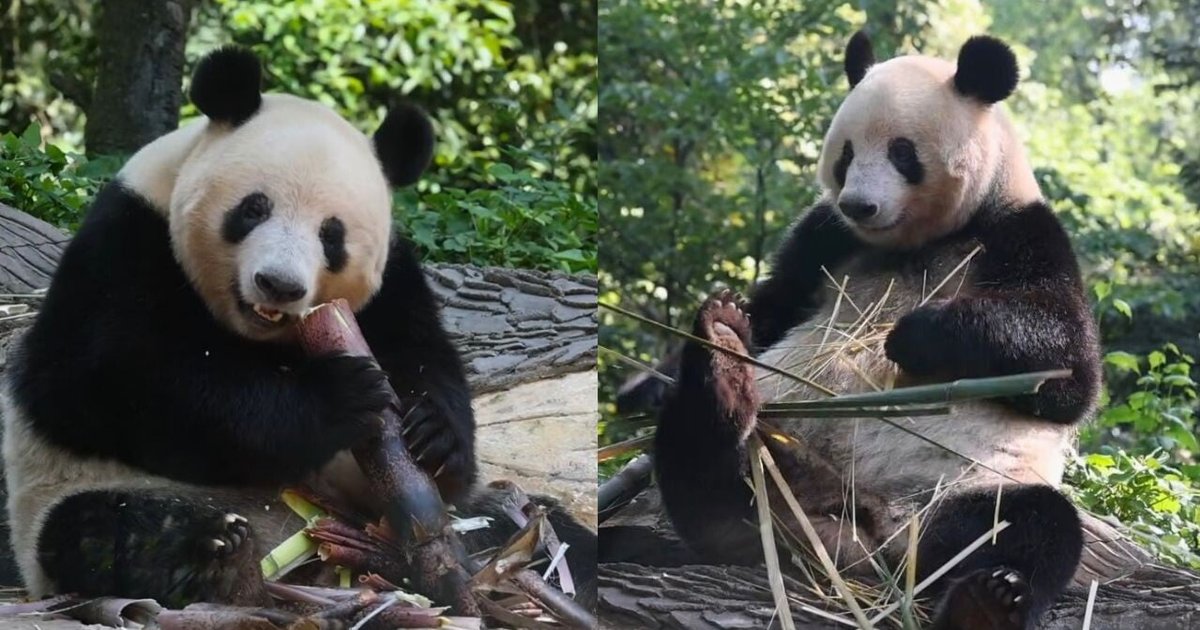
Shang Xiang, the 9-year-old female giant panda who became a cultural phenomenon during her loan to Tokyo's Ueno Zoo from 2017 to 2023, continues to draw devoted Japanese fans to her new home in Sichuan Province. Visitors from Japan are making repeated journeys to the Ya'an Base of the China Conservation and Research Center for the Giant Panda, with some fans having visited up to six times to catch a glimpse of their beloved panda. This sustained popularity comes as Japan experiences its first zero-panda period since 1972, following the return of twin pandas Xiaoxiao and Leilei to China in January.
Key Points
- Shang Xiang, a 9-year-old female panda, was loaned to Tokyo's Ueno Zoo from 2017 and returned to China in February 2023
- The Ya'an Base in Sichuan Province has become a destination for Japanese tourist groups, with visitors eager to see Shang Xiang in her homeland
- One Tokyo resident, Mizuguchi Natsuki, has made six trips to the Ya'an base specifically to visit Shang Xiang, praising her beauty and charming antics
- Panda keeper Zhao Lanlan revealed that Shang Xiang was extremely sensitive to sounds upon returning to China, often startled by natural sounds like wind rustling through grass
- Japan's Ueno Zoo saw its last remaining pandas, Xiaoxiao and Leilei, depart for China in January, leaving Japan without any giant pandas for the first time since 1972
- Approximately 10 Japanese tourists visited the Ya'an base together in late April to see Shang Xiang, enthusiastically photographing her while she ate
- A Japanese female visitor in her 50s expressed hope that pandas would return to Japan, continuing to follow Shang Xiang's growth journey
- Despite cooling bilateral relations affecting official panda diplomacy, Japanese public enthusiasm for the species remains strong
Why It Matters
The enduring devotion of Japanese fans to Shang Xiang highlights how cultural exchanges through flagship species like giant pandas can sustain public goodwill even amid broader political challenges between nations. Japan's current zero-panda status marks a significant moment in the half-century history of panda diplomacy that began in 1972, leaving millions of Japanese panda enthusiasts without access to their beloved animals and uncertain about future exchanges. For Hong Kong readers, this story resonates with the territory's own experience as a recipient of panda diplomacy, where animals like An An and Le Le at Ocean Park have served as cultural ambassadors connecting local communities with wildlife conservation efforts .
The enduring devotion of Japanese fans to Shang Xiang highlights how cultural exchanges through flagship species like giant pandas can sustain public goodwill even amid broader political challenges between nations. Japan's current zero-panda status marks a significant moment in the half-century history of panda diplomacy that began in 1972, leaving millions of Japanese panda enthusiasts without access to their beloved animals and uncertain about future exchanges. For Hong Kong readers, this story resonates with the territory's own experience as a recipient of panda diplomacy, where animals like An An and Le Le at Ocean Park have served as cultural ambassadors connecting local communities with wildlife conservation efforts .