How Hong Kong Mourned Chairman Mao Zedong's Death in 1976
SCMP · 1 SOURCESabout 10 hours ago2 MIN
Summary
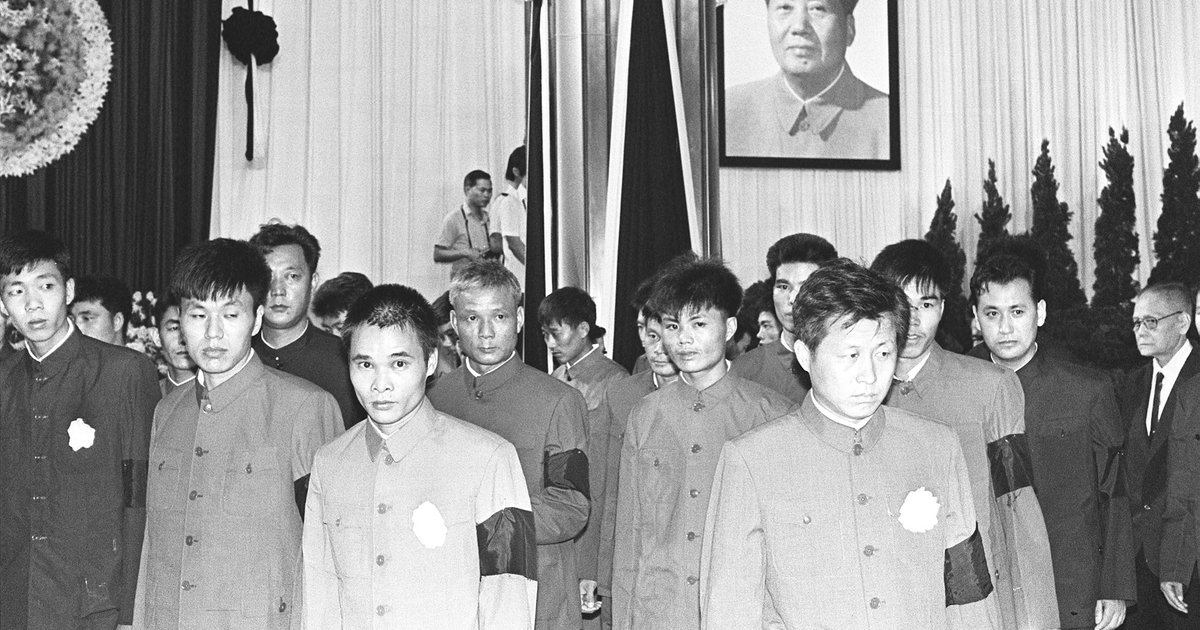
On September 9, 1976, Hong Kong residents were gripped by a deep sense of grief as news broke that Chairman Mao Zedong, founding father of the People's Republic of China, had passed away. Radio and television stations flashed the announcement at 5:08 pm, dampening mid-autumn festival celebrations throughout the colony. Within an hour, flags at major buildings and hotels, including the Bank of China, were flown at half-mast in a swift display of mourning.
Key Points
- Hong Kong first learned of Mao's death at 5:08 pm on September 9, 1976, through Radio Hong Kong's two channels and Commercial Radio's English service
- The official announcement came via Radio Peking and the New China News Agency minutes before Hong Kong broadcasts
- RTV's English Channel aired the first television flash at 5:17 pm, with other channels following two to three minutes later
- Large crowds gathered outside television shops to watch for updates and official announcements
- Macau cinemas cancelled all shows for the remainder of the day as a mark of respect for the Chinese leader
- Professor P. B. Harris of the University of Hong Kong's Political Science department described the moment as entering a new era of uncertainty
- School teacher Mr Tseng Man-kiu expressed confidence that Hong Kong would not face immediate effects from the leadership change
Why It Matters
The widespread public mourning in Hong Kong reflected the colony's deep cultural and emotional ties to mainland China at the time, despite its separate political status under British rule. Professor Harris's observation that the death marked the beginning of a "much less certain" era proved prophetic, as China would soon undergo significant political transformation following Mao's passing .
The widespread public mourning in Hong Kong reflected the colony's deep cultural and emotional ties to mainland China at the time, despite its separate political status under British rule. Professor Harris's observation that the death marked the beginning of a "much less certain" era proved prophetic, as China would soon undergo significant political transformation following Mao's passing .