Two Dead in 8 Days at Haba Snow Mountain; Operator Mandates Advance Reporting
SingTao · 2 SOURCESabout 2 hours ago5 MIN
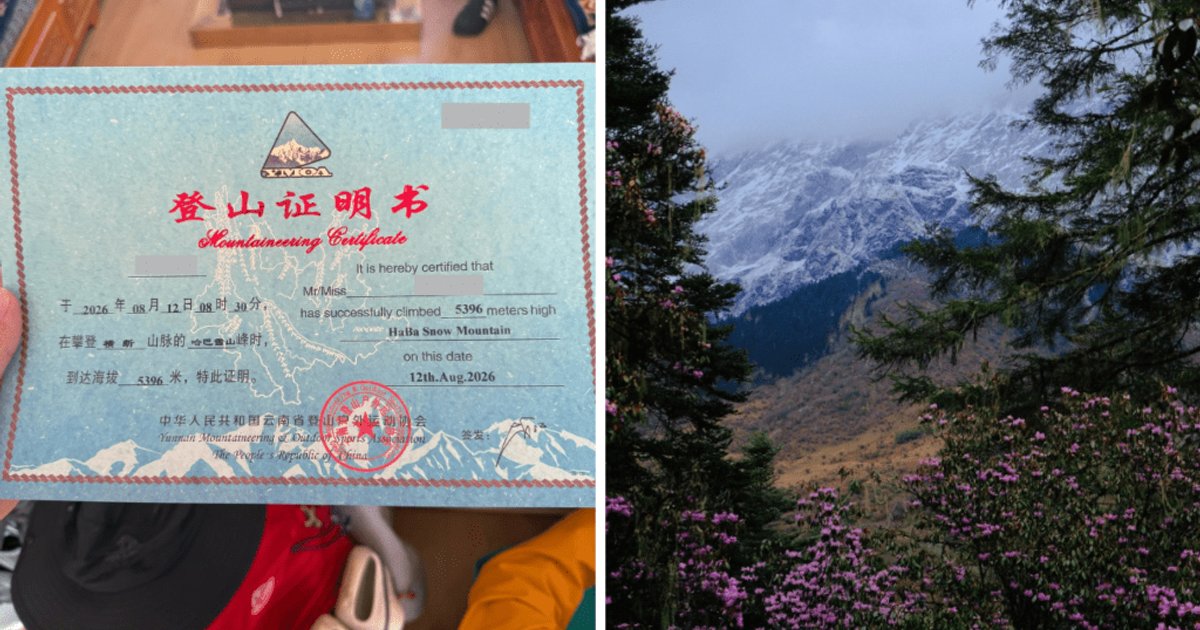
Summary
Two climbers died within eight days at Haba Snow Mountain in Yunnan Province after falling from cliffs without filing required advance reports with the operator. The incidents occurred on August 23 and August 30, involving a 26-year-old hiker from Zhejiang Province and a local outdoor club leader respectively. Haba Snow Mountain Ecotourism Development Co. Ltd. subsequently issued an emergency notice on September 4 requiring all visitors to complete mandatory pre-registration and adhere to designated routes and campsites. The company clarified it possesses no law enforcement powers and will bear no responsibility for accidents involving unregistered individuals.
Key Points
- On August 23, a 26-year-old Sun (孫) from Hangzhou, Zhejiang Province, fell and died at an elevation of 5,020 metres on the western route without prior registration
- Rescue teams deployed drones to retrieve the deceased's body from the cliff; most rescue expenses were borne by the victim's family
- On August 30, a local outdoor club leader fell to their death at a newly established campsite, also without having filed the required report
- The operator, Haba Snow Mountain Ecotourism Development Co. Ltd. in Shangri-La City, issued a notice on September 4 mandating advance reporting for all mountain activities
- The company emphasized it has no law enforcement authority and can only dissuade violators; it will not provide rescue support or bear liability for unregistered climbers
Why It Matters
The successive fatalities expose a critical enforcement gap in China's adventure tourism sector, where operators lack the authority to prevent unregistered access to dangerous high-altitude terrain. For Hong Kong hikers who frequently travel to mainland mountain destinations, this incident underscores the importance of complying with local safety protocols and understanding that rescue costs and liability can fall entirely on individuals who bypass mandatory reporting systems.
The successive fatalities expose a critical enforcement gap in China's adventure tourism sector, where operators lack the authority to prevent unregistered access to dangerous high-altitude terrain. For Hong Kong hikers who frequently travel to mainland mountain destinations, this incident underscores the importance of complying with local safety protocols and understanding that rescue costs and liability can fall entirely on individuals who bypass mandatory reporting systems.