Warning: Japanese NSAID Pain Patches Pose Hidden Kidney Risks, Doctors Warn
AM730 · 1 SOURCESabout 2 hours ago3 MIN
Summary
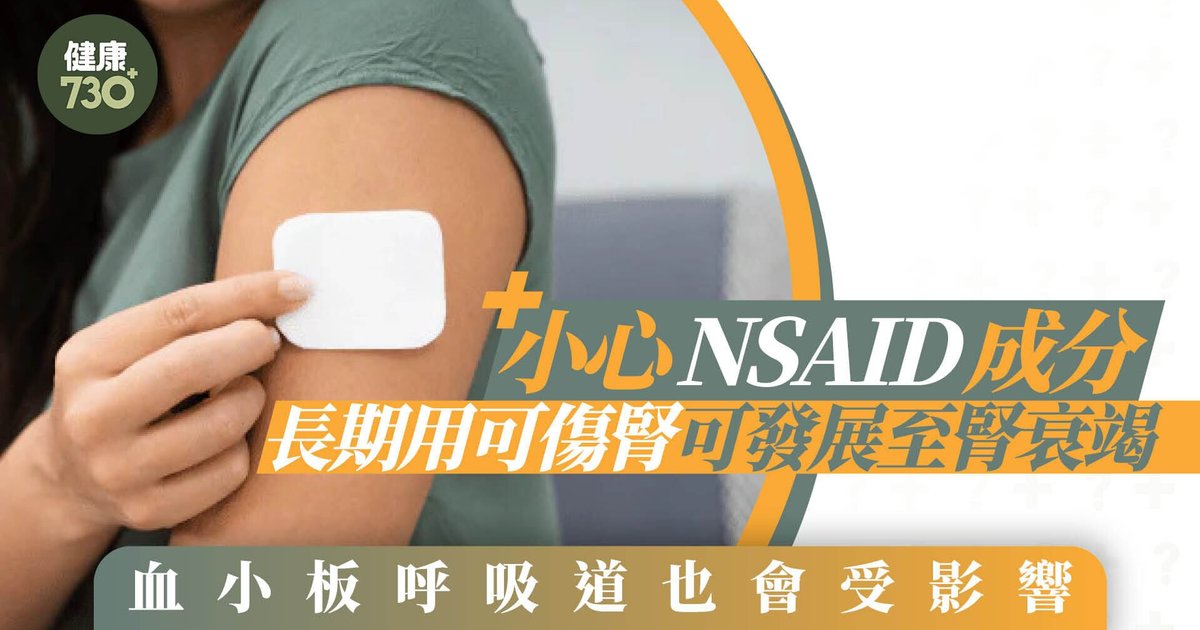
Hong Kong medical professionals are warning travellers about the hidden dangers of Japanese pain relief patches containing non-steroidal anti-inflammatory drugs (NSAIDs), after a clinical oncology specialist documented a case where a former breast cancer patient developed kidney damage from using such topical products. Dr. Wong Lai-san, a specialist in clinical oncology, reported that her patient—whose cancer treatment had been completed successfully with good follow-up results—was found to have elevated kidney function indicators during a routine annual health check. The patient had no diabetes, hypertension, or exposure to other known nephrotoxic medications. A full-body MRI revealed no tumour recurrence or metastasis, and there were no signs of urinary tract infection. Further investigation revealed the patient had been using NSAID-containing pain patches for shoulder and neck discomfort. Although the medication was applied externally, Dr. Wong explained that NSAID patches, gels, and sprays are absorbed through the skin and enter the bloodstream, potentially affecting the kidneys, stomach, cardiovascular system, and respiratory tract.
Key Points
- Clinical Oncology Specialist Dr. Wong Lai-san documented a case where a breast cancer patient developed elevated kidney function markers after using NSAID pain patches
- The patient had no diabetes, hypertension, or other known nephrotoxic medications, and MRI showed no tumour recurrence or metastasis
- NSAID patches, gels, and sprays are absorbed through the skin and enter the bloodstream, affecting kidneys, stomach, and cardiovascular system
- NSAIDs inhibit prostaglandin production in the kidneys, reducing blood flow and potentially causing acute kidney injury or chronic kidney disease progression
- Simultaneous use of NSAIDs with steroids increases upper gastrointestinal ulcer or bleeding risk by 10 to 15 times compared to the general population
- NSAID patches can inhibit platelets, prolonging bleeding time and increasing risk for patients with low platelet counts, those undergoing chemotherapy, or those using anticoagulant medications
- Additional risks include allergic reactions such as urticaria, angioedema, and severe bronchospasm, as well as potential induction or worsening of asthma
Why It Matters
With Japanese pain relief products widely available in Hong Kong drugstores and frequently purchased by travellers, this warning highlights the importance of understanding that topical NSAIDs carry similar systemic risks to oral formulations. Patients with pre-existing conditions such as kidney problems, heart disease, or asthma—particularly those over 60 years old—should consult healthcare professionals before using any NSAID-containing products.
With Japanese pain relief products widely available in Hong Kong drugstores and frequently purchased by travellers, this warning highlights the importance of understanding that topical NSAIDs carry similar systemic risks to oral formulations. Patients with pre-existing conditions such as kidney problems, heart disease, or asthma—particularly those over 60 years old—should consult healthcare professionals before using any NSAID-containing products.