US Sanctions ICC Over Prosecution Threats, Vows to Cripple Court
SingTao · 3 SOURCESabout 4 hours ago2 MIN
Summary
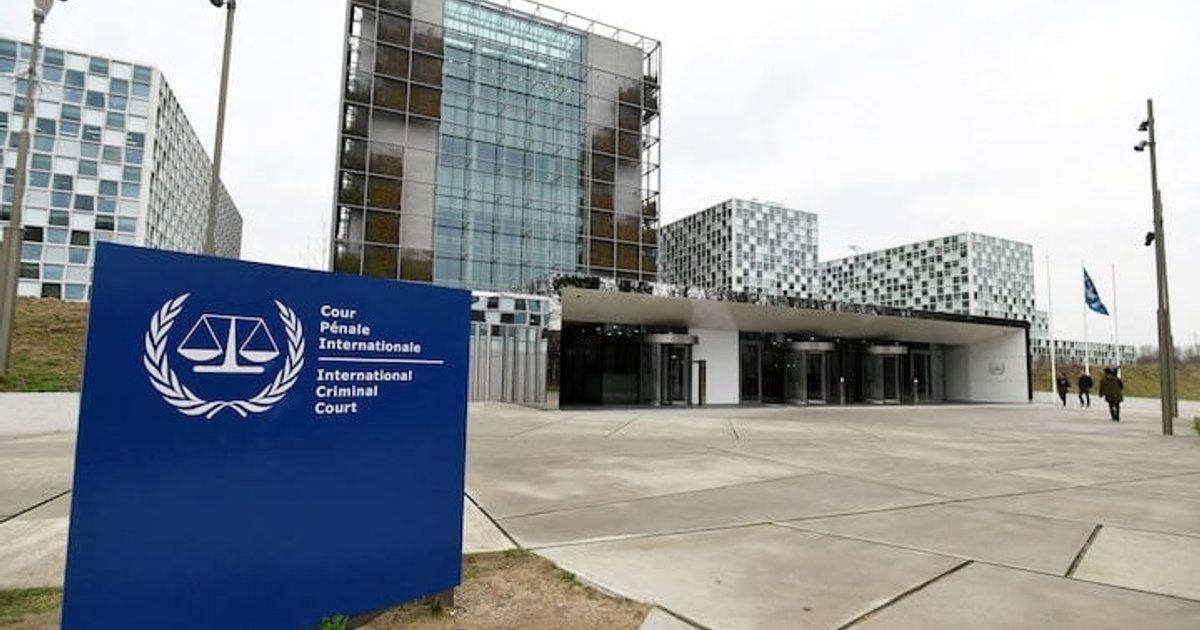
The United States announced sweeping sanctions against the International Criminal Court (ICC) on October 9-10, 2026, prohibiting transactions with the Hague-based tribunal and vowing to paralyze its operations. Secretary of State Marco Rubio stated that President Trump would never allow the ICC to prosecute Americans. The move, which comes after the court issued arrest warrants for Israeli officials and investigated US military actions in Afghanistan, has drawn sharp criticism from the United Nations, European Union, and allied nations including Canada, France, Germany, Japan, and the United Kingdom.
Key Points
- US Treasury placed the ICC on its sanctions list, banning businesses from trading with the court and cutting off its funding sources
- Rubio declared that Americans are not subject to ICC jurisdiction, warning that the court would be dismantled unless it ceases its "threats" against the United States
- The sanctions have targeted 17 ICC personnel to date, including 9 of the court's 18 judges; in August 2026, ICC President Akiko Akane and senior lawyer Christopher Thayer were sanctioned
- The announcement came shortly after South African jurist Navi Pillay, a former ICC judge who accused Israel of genocide in Gaza, was awarded the Nobel Peace Prize
- UN Secretary-General Antonio Guterres said the sanctions dealt a "severe blow" to international criminal justice, while the EU expressed "deep regret" and vowed to help the court continue its work
Why It Matters
The US sanctions represent an unprecedented attack on the international criminal justice system, undermining an institution designed to hold war criminals accountable. The move sets a dangerous precedent that could embolden other nations to flout ICC rulings, potentially creating a world where powerful states operate without oversight for atrocities. For Hong Kong, which operates under the principle of one country two systems but increasingly faces international scrutiny over human rights issues, this development signals that major powers may prioritize political interests over established international legal frameworks when it suits them .
The US sanctions represent an unprecedented attack on the international criminal justice system, undermining an institution designed to hold war criminals accountable. The move sets a dangerous precedent that could embolden other nations to flout ICC rulings, potentially creating a world where powerful states operate without oversight for atrocities. For Hong Kong, which operates under the principle of one country two systems but increasingly faces international scrutiny over human rights issues, this development signals that major powers may prioritize political interests over established international legal frameworks when it suits them .