Survey: Substandard Housing Reaches 30°C in Summer; Residents Cut AC Use Due to Cost
RTHK · 3 SOURCESabout 1 hour ago9 MIN
**Key Findings: Indoor Heat Traps in Substandard Housing**
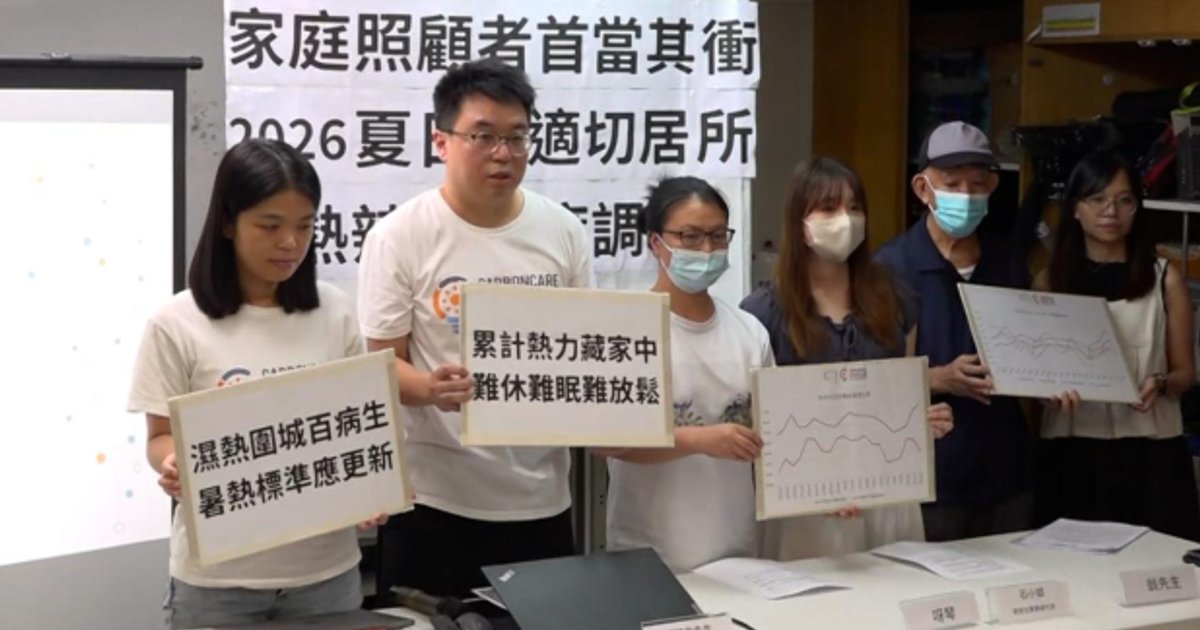
The survey, conducted by the Low Carbon Initiatives Alliance (低碳想創坊) in collaboration with the Subdivided Flat Support Network (劏房支援連線), monitored indoor temperatures and humidity levels continuously over 21 days from June 22 to July 12, covering 86 households across nine districts in Hong Kong, including 78 substandard housing units such as rooftop structures and subdivided flats [1][2][3].
The monitoring revealed that indoor daytime temperatures averaged 29.93 degrees Celsius, with peak readings exceeding 44 degrees Celsius in some units, while nighttime temperatures remained high at 29.42 degrees Celsius—only half a degree cooler than daytime levels [2][3]. These indoor temperatures exceeded outdoor readings taken by the Hong Kong Observatory, which recorded average daytime and nighttime temperatures of 29.74 and 28 degrees respectively [2].
Health impacts were significant: 74 percent of all respondents experienced at least one heat-related symptom such as dizziness, headache, rapid heartbeat, or shortness of breath, while 80 percent of caregivers— who spend extended time at home—reported similar symptoms [2][3]. Approximately 70 percent of residents stated that the heat adversely affected their sleep quality, and 69 percent reported negative emotional impacts from the高温 conditions [2][3].
Despite 90 percent of surveyed households possessing air conditioning units, many residents deliberately limit usage due to prohibitive electricity costs [1]. Case studies illustrate the strain: Ah Kam (阿琴), who lives with her husband and child in an 80-square-foot subdivided unit in Sai Wan Ho, spends approximately 4,500 Hong Kong dollars monthly on housing, with electricity accounting for around 400 dollars [2][3]. She noted that her child develops skin rashes and becomes irritable without air conditioning, while she herself has experienced dizziness and breathing difficulties from the heat [3]. Similarly, Mr. Yung (翁先生), a retiree sharing an 80-square-foot subdivided unit in Kwai Chung with his wife, reported summer electricity bills reaching 1,000 dollars—equivalent to one-third of their elderly living allowance [2][3].
The survey calculated that summer electricity costs for substandard housing residents averaged 3.9 dollars per square foot—double the rate paid by public housing tenants [3]. Residents mentioned avoiding opening windows to prevent rodent and pest intrusion, which further trapped heat indoors [1][2].
**Recommendations from Advocacy Groups**
The advocacy groups have called on the government to incorporate health adaptation measures into the Hong Kong Climate Action Blueprint 2050, conduct comprehensive assessments of extreme heat impacts on physical and mental health, and develop targeted support for high-risk populations [2][3]. They also recommend establishing indoor high-temperature monitoring systems and extreme heat emergency response mechanisms, as well as including insulation, ventilation, and essential cooling equipment in the statutory minimum standards for modest housing (簡樸房) [1][2][3].
For immediate relief, the groups are urging authorities to extend community hall (社區客廳) operating hours to allow residents to seek refuge from the heat during both daytime and evening hours [2]. The organizations are currently distributing heat-prevention supplies such as cooling towels to affected residents and assisting households in applying window insulation film to reduce indoor temperatures [2].