Hang Lung Pays Tribute to Tung Chee-hwa
HK01 · 2 SOURCESabout 2 hours ago5 MIN
Summary
Hang Lung chairman Adriel Chan Wen-bor (陳文博) said the group was deeply saddened by the death of Tung Chee-hwa, Hong Kong’s first chief executive and a former vice-chairman of the Chinese People’s Political Consultative Conference, who died on Tuesday night at the age of 89. In a statement, Chan said Tung devoted his life to public service, remained committed to Hong Kong, and also worked to promote US-China relations. The tribute singled out Tung’s handling of the 2003 SARS outbreak, especially the severe impact on Amoy Gardens, saying his decisive response and concern for residents brought comfort and hope. Separately, commentary on Tung’s public legacy argued that many of his policy initiatives targeted Hong Kong’s structural problems and continued to resonate in later administrations
Key Points
- Hang Lung said Tung died on Tuesday night aged 89, and Chan extended condolences to Tung’s family and friends on behalf of the group
- Chan described Tung as steadfast, humble and mission-driven, saying he guided Hong Kong through difficult periods and left a far-reaching impact on the country, the city and its people
- The statement highlighted the 2003 SARS crisis at Amoy Gardens, saying Tung responded decisively and showed genuine care for affected residents amid uncertainty
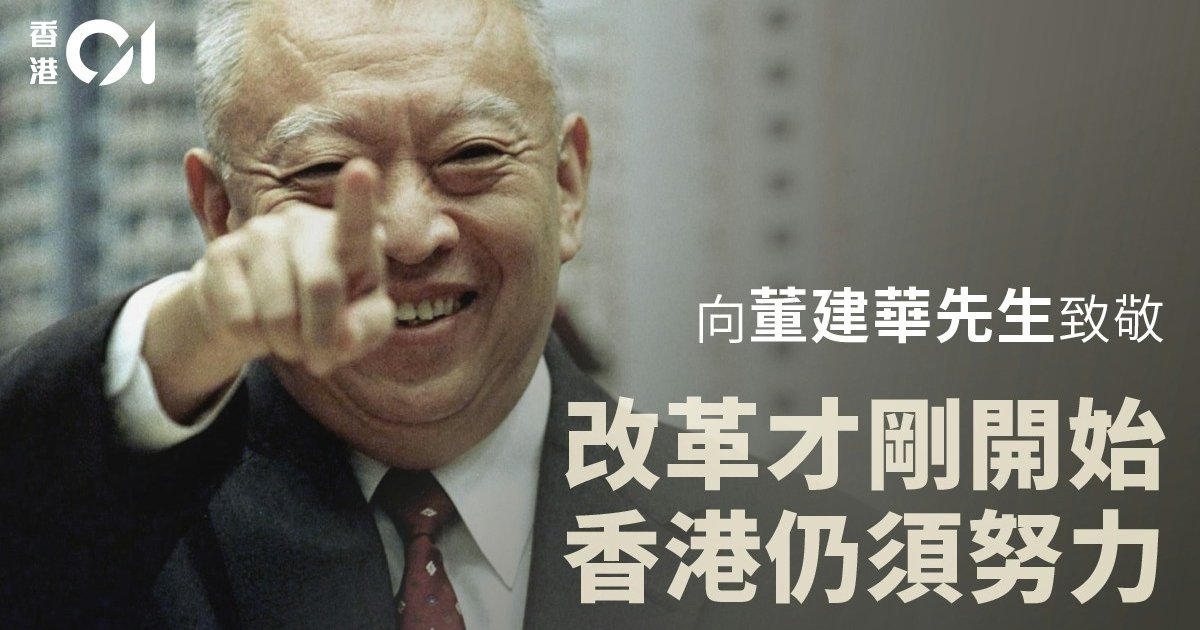
- HK01’s editorial said Tung launched reforms during his eight years in office, including the 85,000-home plan, Cyberport, Chinese medicine development and mother-tongue education
- The same commentary said he also pushed the Mandatory Provident Fund, studied compulsory medical insurance, introduced the accountability system for principal officials and promoted Pearl River Delta cooperation
Why It Matters
The tributes and retrospective assessments show that Tung’s legacy is being judged not only by the crises of his tenure, but also by whether his reform agenda anticipated problems Hong Kong still faces. For Hong Kong readers, that keeps attention on long-running debates over housing, economic diversification, administrative accountability and integration with national development