Bolivia Military Camp Fireworks Depot Explosion Kills at Least 10, Injures 62
AM730 · 2 SOURCESabout 2 hours ago2 MIN
Summary
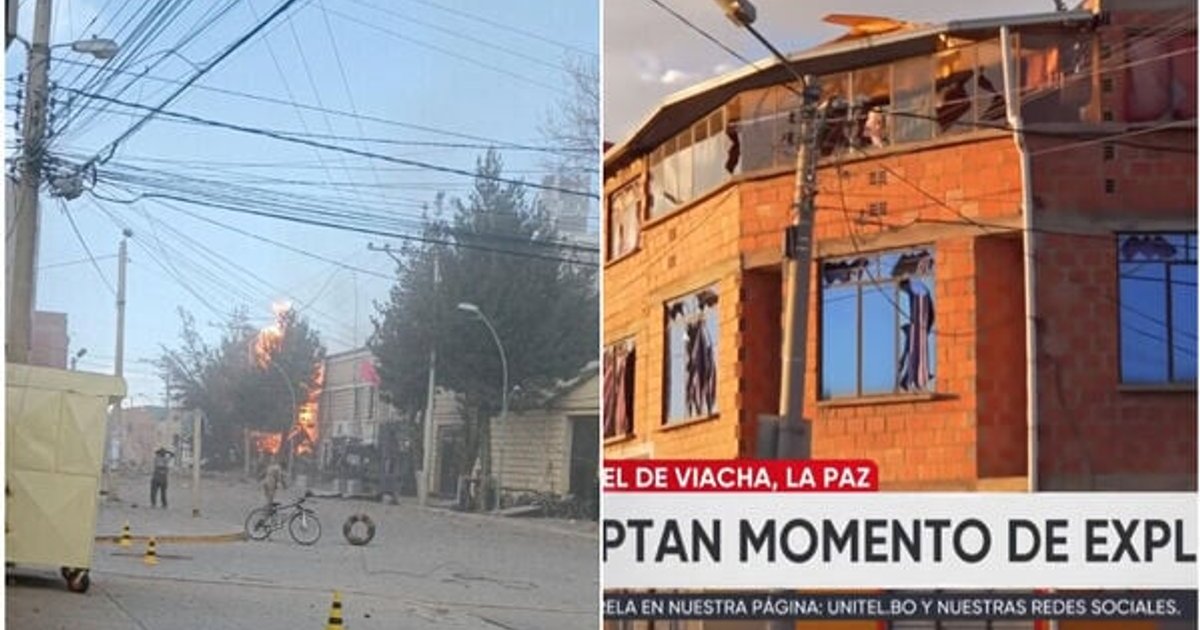
A major explosion occurred at a military base in Viacha, Bolivia, approximately 30 kilometres from the administrative capital La Paz, on the afternoon of September 4, 2026. The blast originated from a warehouse storing fireworks and explosive materials under the defence ministry's jurisdiction. The incident resulted in at least 10 deaths and 62 injuries, with the powerful shockwave damaging surrounding residential areas. Emergency responders including firefighters, paramedics, and military police rushed to the scene, while authorities have established a 150-metre exclusion zone due to ongoing risks of secondary explosions.
Key Points
- The explosion struck around 2:30 PM local time at the Viacha military camp, with the fire originating in the defence ministry's fireworks storage facility
- Casualty figures remain uncertain: initial reports indicate at least 10 dead and 62 injured, though one local health official estimated between 10 to 15 fatalities
- Among the injured, 52 were civilians from nearby neighbourhoods while the remainder were military personnel, according to Defence Minister Ernesto Justiniano
- A total of 14 severely wounded victims, including a young girl sustaining third-degree burns, were transferred to hospitals in La Paz for specialised treatment
- The powerful blast wave shattered windows in dozens of surrounding homes, and firefighters warn that residual heat sources could trigger further explosions
- The government has pledged a full investigation into the incident and a review of military protocols for storing hazardous materials
Why It Matters
This incident highlights the potentially catastrophic consequences of inadequate safety protocols at facilities storing volatile materials in populated areas. The high civilian casualty rate underscores the need for stricter distance requirements between military storage sites and residential neighbourhoods. For Hong Kong readers, the disaster serves as a reminder that industrial and military accidents can cause widespread harm beyond their immediate vicinity, prompting reassessment of urban planning and risk management strategies.
This incident highlights the potentially catastrophic consequences of inadequate safety protocols at facilities storing volatile materials in populated areas. The high civilian casualty rate underscores the need for stricter distance requirements between military storage sites and residential neighbourhoods. For Hong Kong readers, the disaster serves as a reminder that industrial and military accidents can cause widespread harm beyond their immediate vicinity, prompting reassessment of urban planning and risk management strategies.