Hong Kong Braces for Extreme Heat Before Relief Arrives Later This Week
Thestandard · 1 SOURCESabout 2 hours ago2 MIN
Summary
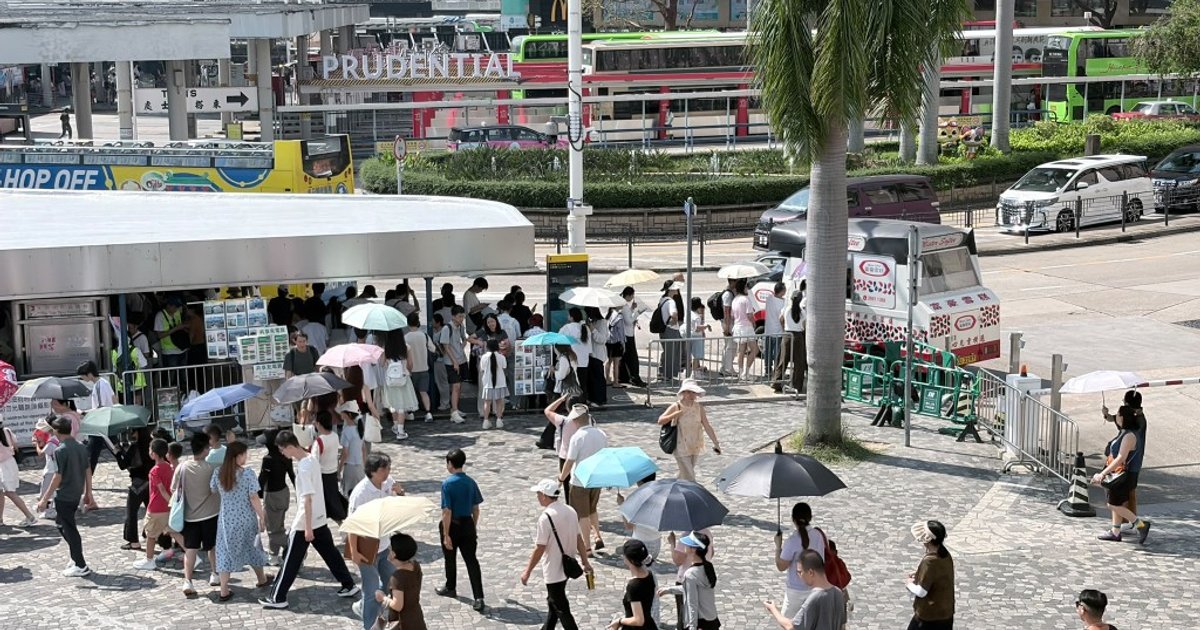
Hong Kong faces another round of extreme heat as the outer subsiding air from Tropical Cyclone Dolphin, which made landfall near Taizhou in Zhejiang province, pushes temperatures higher across the city over the next two days . The Observatory forecasts urban maximum temperatures reaching 36 degrees Celsius today, with inland areas in the New Territories expected to soar to 37 or even 38 degrees .
Key Points
- The Observatory recorded a peak temperature of 36.9 degrees Celsius on Sunday afternoon, marking a record-breaking day for the city
- Sheung Shui in the northern New Territories registered 39.8 degrees, significantly higher than coastal areas due to rapid solar heating in inland districts and the absence of cooling sea breezes
- Senior Scientific Officer Cheung Ping indicated that while the heatwave will moderate by late week, temperatures will remain high at around 33 degrees Celsius
- Unstable weather with cloudy skies and showers is expected to arrive after Friday, providing long-awaited relief from the oppressive conditions
- The nine-day weather forecast indicates maximum urban temperatures could still reach 32 degrees even after the heatwave eases
Why It Matters
This prolonged heatwave underscores the increasing frequency of extreme weather events in Hong Kong, with the record-breaking 39.8 degrees in Sheung Shui highlighting how inland northern districts experience disproportionately higher temperatures than coastal areas, raising public health concerns about heat-related illnesses and energy demand pressures on the city's infrastructure .
This prolonged heatwave underscores the increasing frequency of extreme weather events in Hong Kong, with the record-breaking 39.8 degrees in Sheung Shui highlighting how inland northern districts experience disproportionately higher temperatures than coastal areas, raising public health concerns about heat-related illnesses and energy demand pressures on the city's infrastructure .