AI Medical Investment: VC Veteran Warns of Second Bubble as Industry Faces Commercial Reality Check
HK01 · 1 SOURCES1 day ago2 MIN
Summary
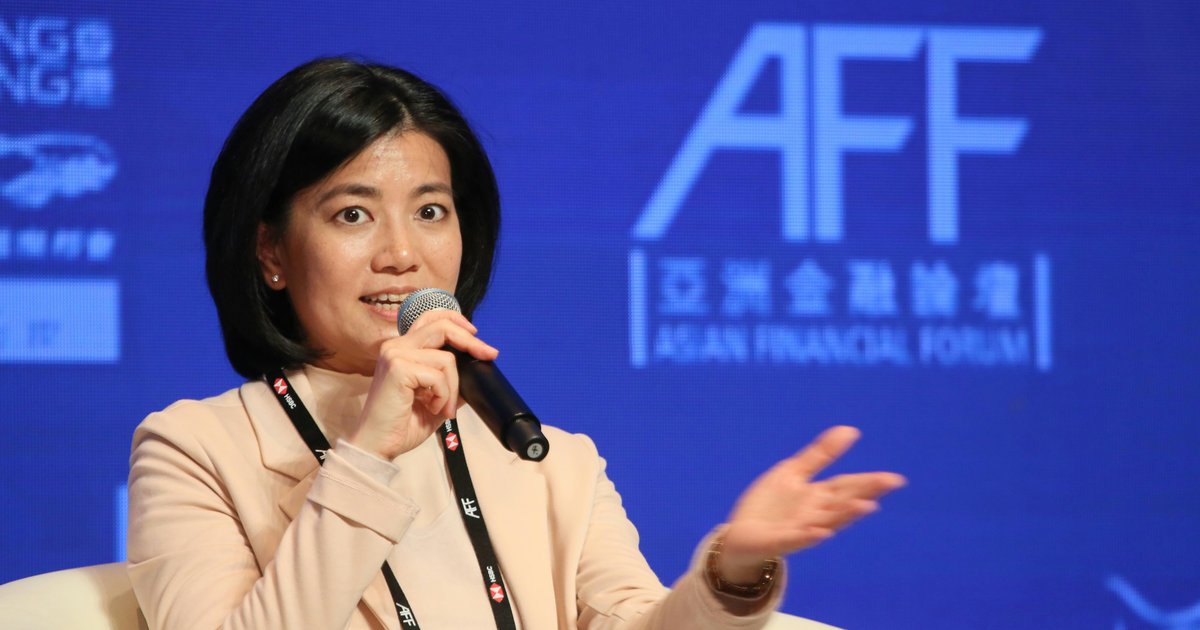
Leung Yingyu, founding partner at Qiming Venture Partners, has witnessed China's healthcare transformation from a market dominated by generic drugs and traditional Chinese medicine to the world's largest source of innovative drug candidates. Having invested in approximately 220 healthcare companies over nearly 20 years, she now warns that AI pharmaceutical development—her preferred high-value, high-barrier sector—is entering a dangerous speculative phase. Insilico Medicine, her most prominent AI drug discovery investment, achieved a landmark 2.97 billion USD partnership with Eli Lilly in 2025, yet the path to commercial validation remains fraught with uncertainty.
Key Points
- Leung Yingyu returned from Silicon Valley in 2002 after witnessing China's barren innovative drug landscape, later building Qiming's healthcare portfolio from scratch
- Global AI pharmaceutical market reached 2.4 billion USD in 2025; China's market surpassed 600 million yuan, according to Huachuang Securities data
- Insilico Medicine, headquartered in Hong Kong after relocating from the US under Leung's negotiation, listed on HKEX as the "first AI innovation drug stock"
- Insilico's lead candidate for idiopathic pulmonary fibrosis became the first AI-designed drug to enter Phase 3 clinical trials
- The first AI pharma bubble peaked in 2018 with 65.2 billion USD in global investment—18.4 times the 2016 level—led by Schrodinger's market success
- Four conditions must be met for true AI drug development commercialization: Big Pharma authorization, positive clinical data, regulatory approval, and post-market validation of time and cost savings
- AI medical imaging, often viewed as a hot sector, is considered fundamentally unprofitable compared to AI drug discovery's longer but higher-value trajectory
Why It Matters
Hong Kong's strategic positioning as a bridge between Mainland clinical resources and global capital markets faces a critical test as AI pharmaceutical companies rush toward commercialization. If Insilico's Phase 3 results fail to demonstrate clear advantages over traditional development timelines, investor sentiment toward the broader AI healthcare sector could sour dramatically, affecting the city's ambitions to become a biomedical innovation hub .
Hong Kong's strategic positioning as a bridge between Mainland clinical resources and global capital markets faces a critical test as AI pharmaceutical companies rush toward commercialization. If Insilico's Phase 3 results fail to demonstrate clear advantages over traditional development timelines, investor sentiment toward the broader AI healthcare sector could sour dramatically, affecting the city's ambitions to become a biomedical innovation hub .