Meta Unveils AI Assistant and Lightweight Smart Glasses at Connect Event
Thestandard · 2 SOURCESabout 2 hours ago2 MIN
Summary
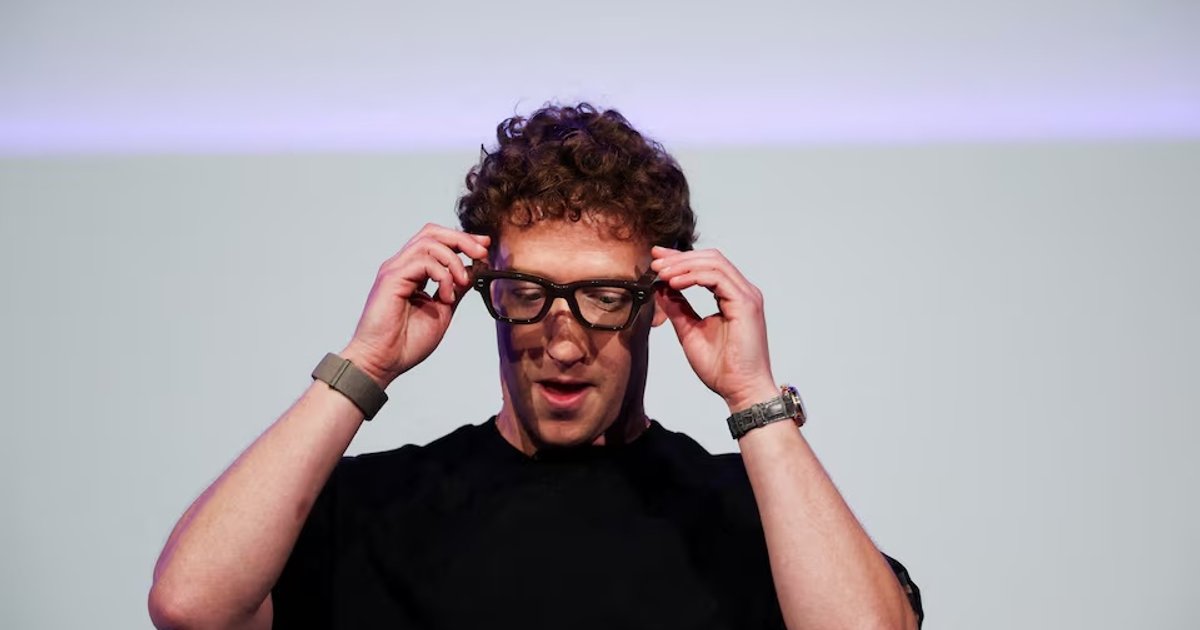
Meta CEO Mark Zuckerberg delivered the keynote address at the company's annual Connect conference held at its Menlo Park headquarters on September 23, 2026. The event unveiled Muse, Meta's first consumer agentic app designed to act as a digital personal assistant capable of booking appointments, making calls, and signing up for services on behalf of users. Meta also introduced two new smart glasses products: the ultra-lightweight Meta VR Glasses at approximately 100 grams, and the Ray-Ban Meta Audio glasses developed in partnership with EssilorLuxottica. The announcements come as Meta faces mounting privacy concerns and competitive pressure from OpenAI and Anthropic in the AI assistant market.
Key Points
- Meta's Muse app connects to financial, health, and shopping accounts to automate tasks like booking appointments and signing up for services
- Amazon blocked Meta this week from using AI bots to automatically shop for users, though Instacart, Shopify, and Expedia announced partnerships
- Meta VR Glasses feature a 5K micro-OLED display at 37 PPD pixel density, weighing just 100 grams with a detachable "Puck" computing unit
- The VR Glasses support Dolby Vision, Dolby Atmos, gesture controls, and hologram calls; priced at $1,299.99 with spring 2027 release
- Ray-Ban Meta Audio weighs only 43 grams, offers 12-hour battery life (48 hours with charging case), priced from $349
Why It Matters
Meta's aggressive push into AI assistants and smart wearables marks a significant shift from social media toward integrated AI services, positioning the company against established players like OpenAI's ChatGPT and Anthropic's Claude . The privacy concerns surrounding these devices reflect broader tensions between technological innovation and user data protection, issues that Hong Kong consumers and businesses will increasingly face as AI-powered consumer products proliferate globally .
Meta's aggressive push into AI assistants and smart wearables marks a significant shift from social media toward integrated AI services, positioning the company against established players like OpenAI's ChatGPT and Anthropic's Claude . The privacy concerns surrounding these devices reflect broader tensions between technological innovation and user data protection, issues that Hong Kong consumers and businesses will increasingly face as AI-powered consumer products proliferate globally .