Indiana Flooding Kills at Least 6, Marking Worst Disaster in 30 Years
SingTao · 2 SOURCESabout 2 hours ago2 MIN
Summary
Severe storms swept through the US Midwest this week, unleashing catastrophic flooding across Indiana that officials describe as the worst in over three decades. White River water levels surged to historic highs, surpassing records set in 1913, as relentless rainfall submerged entire communities. At least six people have been confirmed dead, including a four-year-old boy killed by a falling tree. President Donald Trump has approved an emergency declaration for the state, unlocking federal disaster assistance. Rescue crews using boats have evacuated hundreds of trapped residents as authorities warn the danger is far from over.
Key Points
- White River floodwaters in Anderson and Noblesville areas peaked at over 24 feet (7.3 meters), shattering the previous record from 1913
- Some areas received more than 11 inches (28 centimeters) of rain within just two days, with some reports citing up to 280mm of rainfall
- Six deaths have been confirmed, including a four-year-old boy struck by a falling tree; another victim was swept away while driving through floodwater
- More than 10 counties have declared disaster emergencies, with over 350 residents evacuated in Delaware County alone
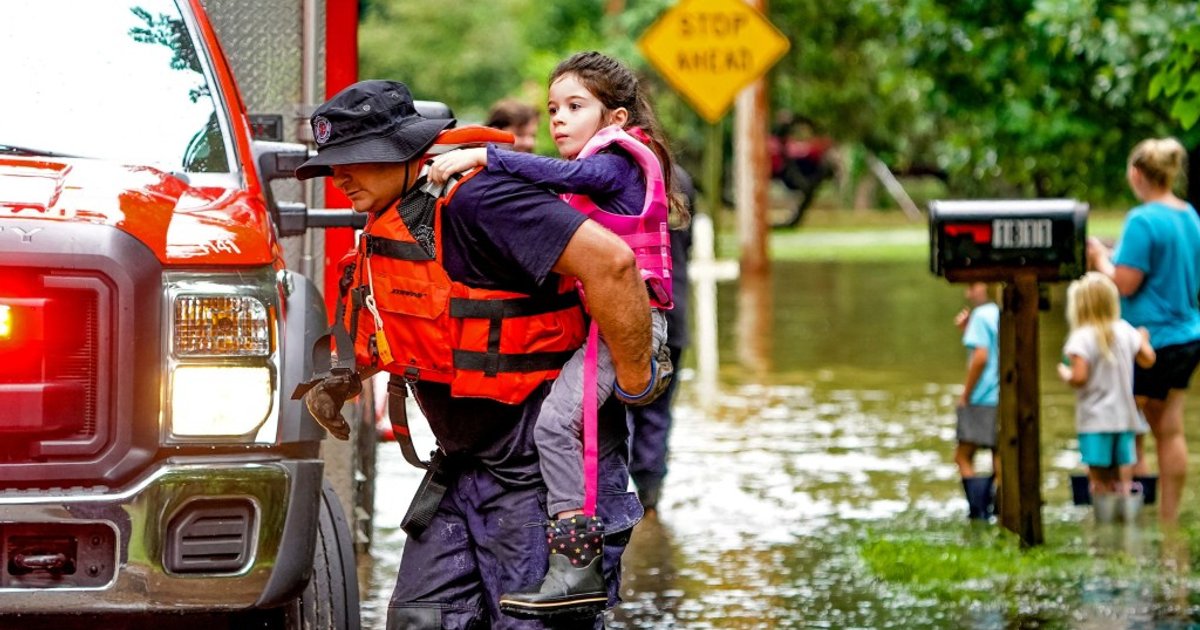
- Indianapolis Fire Department rescue teams have saved at least 95 people and 45 pets from flooded neighborhoods
Why It Matters
The scale of this disaster underscores the growing vulnerability of midwestern communities to extreme weather events, even in areas not traditionally considered flood-prone. With climate patterns intensifying storm systems, similar catastrophic flooding could become more frequent, raising urgent questions about infrastructure resilience and emergency preparedness across the region .
The scale of this disaster underscores the growing vulnerability of midwestern communities to extreme weather events, even in areas not traditionally considered flood-prone. With climate patterns intensifying storm systems, similar catastrophic flooding could become more frequent, raising urgent questions about infrastructure resilience and emergency preparedness across the region .