TCM Patient Suffers Second-Degree Burns During Cupping Therapy in Tseung Kwan O
SingTao · 1 SOURCESabout 2 hours ago2 MIN
Summary
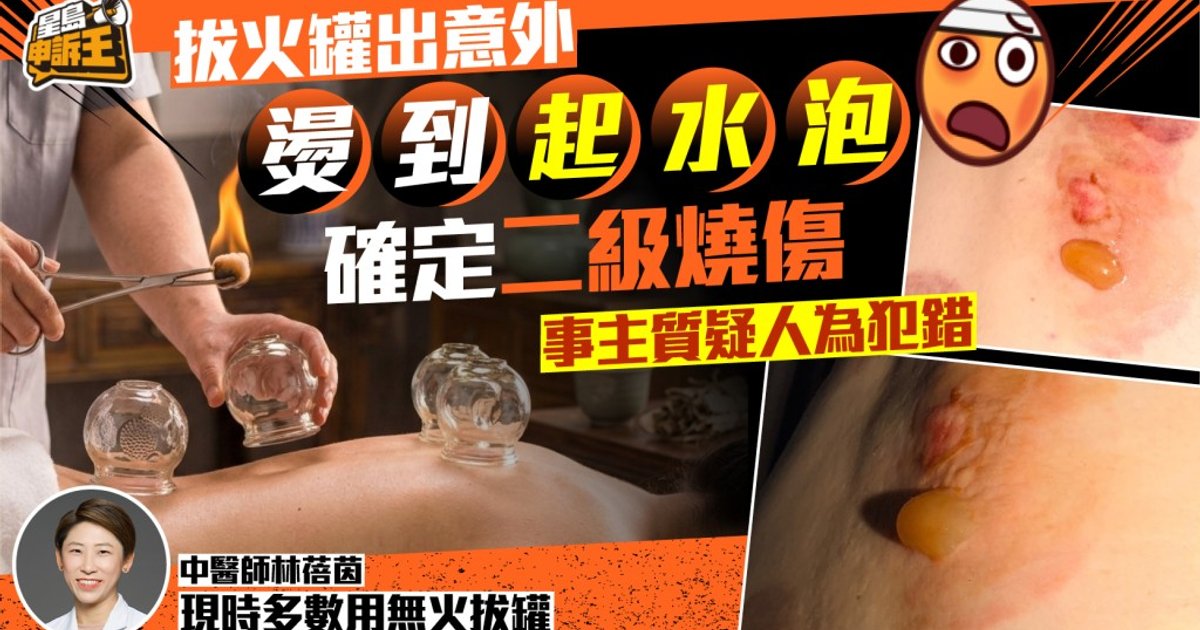
A patient has suffered second-degree burns during a cupping therapy session at a Traditional Chinese Medicine (TCM) clinic in Tseung Kwan O, Hong Kong, after an alleged procedural error by the practitioner. The incident, which occurred on August 3, 2026, has sparked public concern over safety standards in TCM treatments and raised questions about professional accountability. The affected individual, whose identity remains protected, reported the matter to the clinic seeking compensation, but says the clinic has been slow to respond and has referred the case to its insurance company without providing clear answers.
Key Points
- The victim received acupuncture followed by flash cupping treatment on August 3, 2026 at a Tseung Kwan O TCM clinic
- Flash cupping involves placing a heated cup briefly on the affected area before removing it immediately
- The practitioner allegedly reused heated cups without cooling them, causing the patient to suffer second-degree burns
- When the patient cried out in pain, the practitioner reportedly responded: "If you don't tell me, I wouldn't know it's hot"
- The victim was diagnosed with second-degree burns requiring daily wound cleaning for at least two weeks
- The clinic has referred the case to its legal advisors and insurance company, declining to comment further
Why It Matters
This incident highlights potential gaps in safety protocols for fire-based TCM treatments and raises questions about practitioner training and accountability. With growing public reliance on Traditional Chinese Medicine in Hong Kong, similar cases could undermine trust in the profession unless proper safeguards and clear compensation procedures are established.
This incident highlights potential gaps in safety protocols for fire-based TCM treatments and raises questions about practitioner training and accountability. With growing public reliance on Traditional Chinese Medicine in Hong Kong, similar cases could undermine trust in the profession unless proper safeguards and clear compensation procedures are established.