The Underground Revolution: How Peanuts Reshaped China's Food Landscape
Bastillepost · 1 SOURCESabout 2 hours ago5 MIN
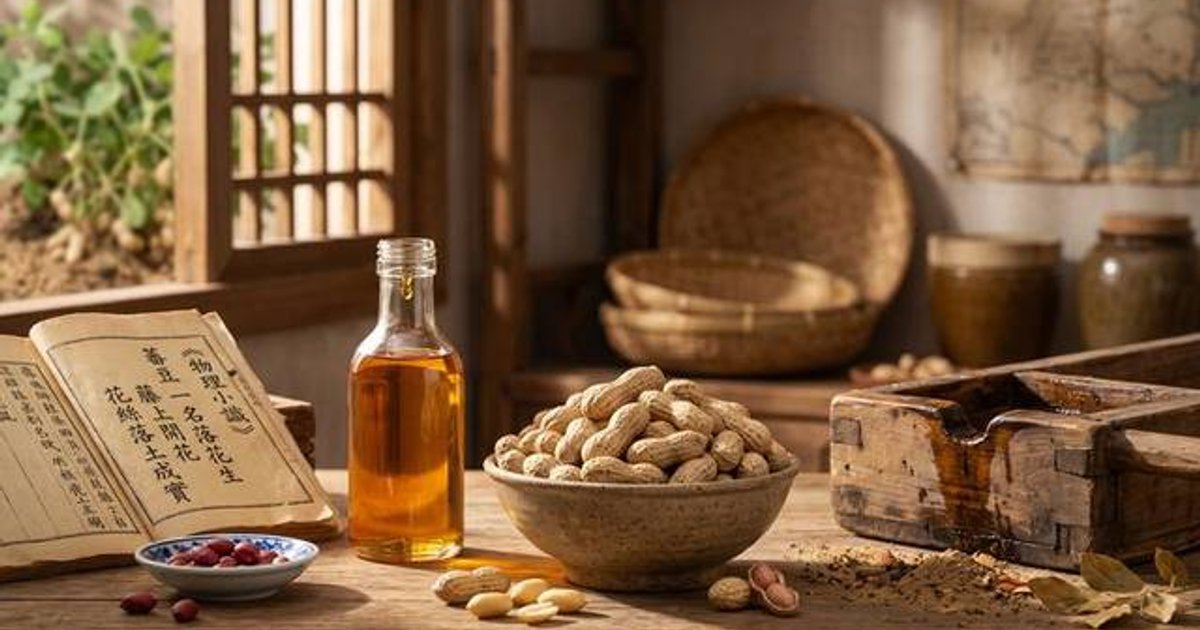
Summary
Peanuts, a humble underground crop with origins in the Americas, have quietly revolutionized Chinese agriculture and cuisine over the past four centuries. From their first recorded Chinese appearance as "foreign bean" in late Ming dynasty literature to becoming an essential ingredient in southern Chinese kitchens, peanuts represent a remarkable story of agricultural adaptation. The combination of new peanut varieties and modern oil extraction technology in the 19th century transformed this American export into China's most widely consumed cooking oil.
Key Points
- Archaeological evidence shows cultivated peanuts existed in Peru and Bolivia thousands of years ago, with the crop spreading globally via Portuguese and Spanish trade routes in the late 15th century
- The earliest reliable Chinese record appears in "Wuli Xiaoshi" by Fang Yizhi (方以智), documenting the plant's distinctive characteristics including underground pod formation and oil content
- Peanuts arrived in Fujian and Guangdong provinces through multiple maritime routes, earning names such as "foreign bean," "earth bean," and "longevity fruit" reflecting their exotic origins
- Small peanut varieties remained limited for centuries, but the introduction of large Virginia-type peanuts by American missionaries during the Tongzhi-Guangxu period transformed Shandong's agricultural economy
- New mechanical screw presses in the late 19th and early 20th centuries enabled mass production of peanut oil, elevating it from regional specialty to national cooking oil
Why It Matters
Peanuts exemplify how global trade networks fundamentally altered local agricultural practices. For Hong Kong, where peanut oil remains essential for traditional stir-frying and Cantonese soup-making, this history connects contemporary cuisine to centuries of cross-cultural exchange. The crop's success story—transforming barren sandy soils into productive farmland—offers lessons about agricultural innovation and food security that remain relevant today .
Peanuts exemplify how global trade networks fundamentally altered local agricultural practices. For Hong Kong, where peanut oil remains essential for traditional stir-frying and Cantonese soup-making, this history connects contemporary cuisine to centuries of cross-cultural exchange. The crop's success story—transforming barren sandy soils into productive farmland—offers lessons about agricultural innovation and food security that remain relevant today .