Viral Indian Mermaid Performance in Murky Green Water Sparks Horror Comparisons
Bastillepost · 2 SOURCESabout 1 hour ago2 MIN
Summary
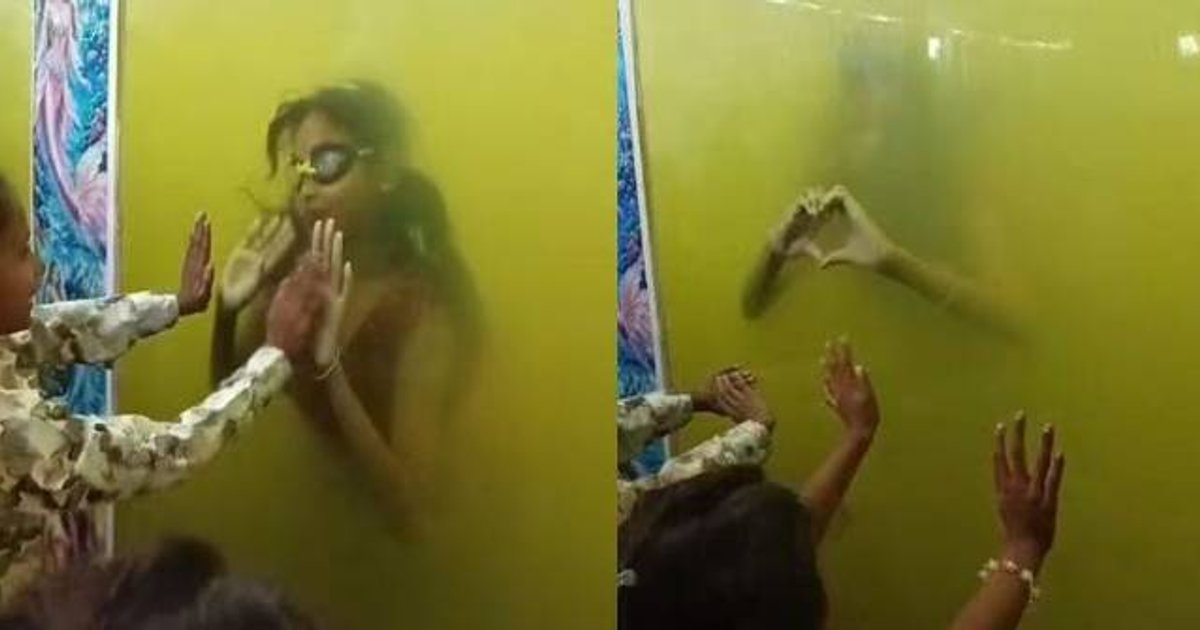
A viral video featuring an Indian "mermaid" underwater performance has captured internet attention for all the wrong reasons. The footage shows a performer wearing a fish-tail costume inside a transparent tank, attempting to create a whimsical atmosphere through breath-holding and interactive gestures. However, the murky green water with extremely low visibility turned what should have been a fairy-tale experience into an eerie, horror-movie-like scene. The video has sparked viral discussion, with many netizens drawing comparisons to the Resident Evil franchise and raising serious questions about water quality standards and performer welfare.
Key Points
- The performance took place in a transparent tank where the water appeared unnaturally murky and green, drastically reducing visibility
- The performer wore a fish-tail costume and used breath-holding techniques combined with graceful body movements to simulate mermaid swimming
- Throughout the act, the performer made heart gestures and blew kisses to engage with the audience despite the unfavorable conditions
- Netizens compared the dim green lighting and blurry moving figure to scenes from the Resident Evil horror game and film franchise
- Many viewers expressed concern that prolonged exposure to poor water quality could pose significant health risks to the performer
Why It Matters
This incident highlights the importance of basic infrastructure maintenance in entertainment venues, particularly those involving direct human contact with potentially hazardous environments. Beyond the entertainment angle, the viral backlash underscores growing public awareness of worker safety standards in the experience economy, prompting questions about whether adequate regulations exist to protect performers in similar roles worldwide .
This incident highlights the importance of basic infrastructure maintenance in entertainment venues, particularly those involving direct human contact with potentially hazardous environments. Beyond the entertainment angle, the viral backlash underscores growing public awareness of worker safety standards in the experience economy, prompting questions about whether adequate regulations exist to protect performers in similar roles worldwide .