Exhibition on Hong Kong's Century of Sex Work History Opens Free in Tsim Sha Tsui
HK01 · 1 SOURCESabout 2 hours ago4 MIN
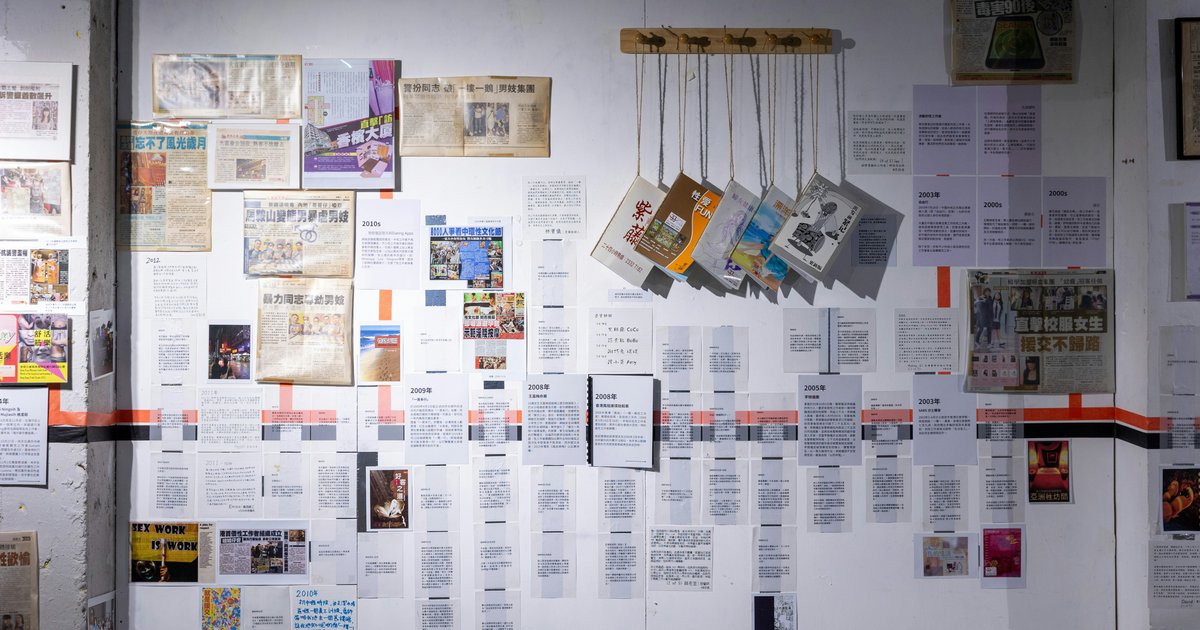
Summary
A free exhibition in Tsim Sha Tsui showcases over 100 years of Hong Kong's sex work history through artifacts and personal testimonies from 19 workers. The display highlights the contradiction between colonial-era promises of bodily autonomy and actual regulatory control over sex workers. Organized by three advocacy groups, the exhibition aims to challenge public prejudice and prompt reflection on systemic barriers facing the community.
Key Points
- The exhibition runs from September 15 to 27, 2026 at Heath (Heath 慶方), a converted former nightclub in Tsim Sha Tsui
- Named after a colonial-era license inscription meaning "bodies are one's own," the title reflects historical promises of freedom
- Curator Wong Ka-ying (黃嘉瀛) explains the display reveals how registration paradoxically restricted workers' bodily autonomy through mandatory health checks
- One sex worker "Captain" (化名) entered the profession nine years ago to repay a seven-figure family debt through part-time girlfriend work
- Professional shibari practitioner Daphne emphasizes that sex workers are not necessarily disadvantaged and maintain agency in their work
Why It Matters
The exhibition confronts Hong Kong's tendency to marginalize sex workers by presenting their histories and voices directly. By revealing how colonial-era licensing systems promised freedom while imposing medical surveillance, it invites public reflection on systemic inequalities that persist today. The personal testimonies humanize workers who navigate complex social and material conditions, challenging audiences to reconsider preconceptions about labor, dignity, and rights.
The exhibition confronts Hong Kong's tendency to marginalize sex workers by presenting their histories and voices directly. By revealing how colonial-era licensing systems promised freedom while imposing medical surveillance, it invites public reflection on systemic inequalities that persist today. The personal testimonies humanize workers who navigate complex social and material conditions, challenging audiences to reconsider preconceptions about labor, dignity, and rights.