Dogs' Sense of Smell Combined With AI Detects 7 Cancer Types With 90% Accuracy
AM730 · 2 SOURCESabout 2 hours ago2 MIN
Summary
An Indian startup company called Dognosis is developing a non-invasive cancer screening technology that harnesses the exceptional olfactory capabilities of trained dogs combined with artificial intelligence. Based in Bangalore, the company has created a system that transforms canine behavioral responses into analyzable data, achieving remarkable accuracy in detecting seven types of cancer. A recent study conducted across six hospitals in Karnataka state with more than 1,500 participants demonstrated accuracy rates exceeding 90 percent, according to research published in the Journal of Clinical Oncology .
Key Points
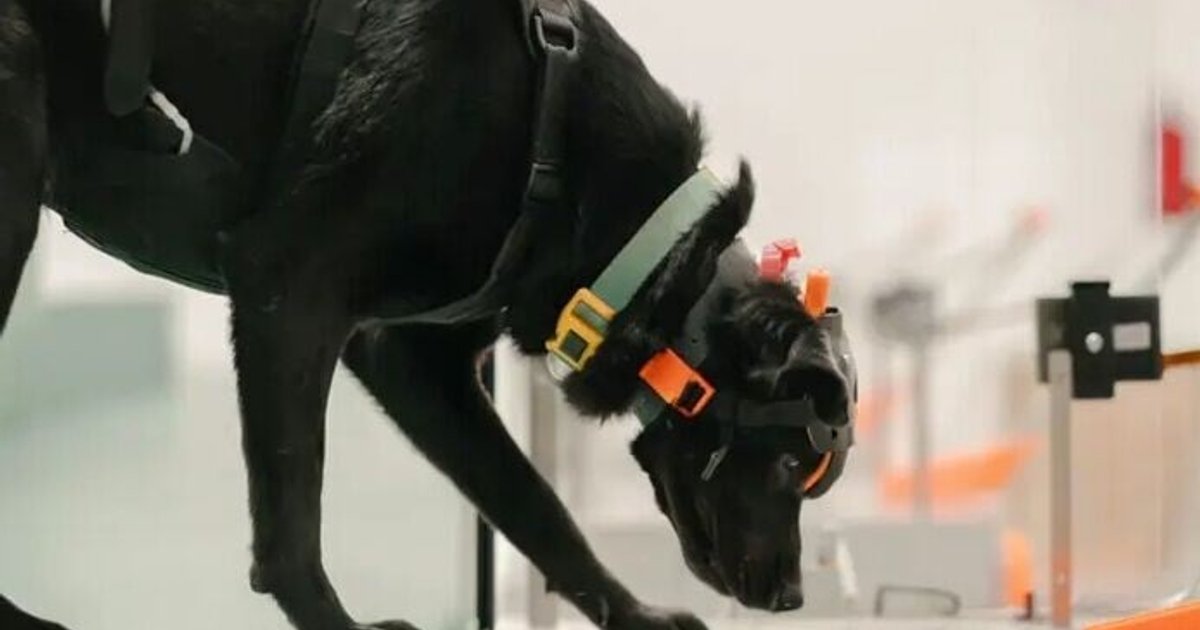
- Dognosis currently trains 15 detection dogs, predominantly Beagles along with Belgian Malinois-Shepherd crossbreeds, using 3D-printed helmets and sensor-laden vests on automated platforms
- The screening process requires patients to breathe into a cotton mask for approximately 10 minutes, after which the sealed sample is sent to a laboratory for canine analysis
- Dogs possess approximately 300 million olfactory receptors compared to roughly 5 million in humans, enabling them to detect unique chemical signatures produced by diseased cells
- Co-founder Akash Kulgod, a 26-year-old UC Berkeley cognitive science graduate from a medical family, states dogs can evaluate thousands of samples within a single hour
- The company has secured investment from venture capital firm Accel and is collaborating with government medical institutions, aiming for commercial launch next year
Why It Matters
This technology could prove transformative for regions like Hong Kong where cancer remains a leading cause of death, particularly if early detection rates improve. By providing an affordable and scalable initial screening method, trained dogs combined with AI analysis may help identify cases at earlier stages when treatment outcomes are significantly better, potentially reducing healthcare costs and saving lives . The non-invasive nature of the test—requiring only a simple breath sample—makes it particularly accessible compared to conventional biopsy procedures, which often involve greater discomfort and expense .
This technology could prove transformative for regions like Hong Kong where cancer remains a leading cause of death, particularly if early detection rates improve. By providing an affordable and scalable initial screening method, trained dogs combined with AI analysis may help identify cases at earlier stages when treatment outcomes are significantly better, potentially reducing healthcare costs and saving lives . The non-invasive nature of the test—requiring only a simple breath sample—makes it particularly accessible compared to conventional biopsy procedures, which often involve greater discomfort and expense .