Oman's Second-Largest Bank Opens First International Office in Hong Kong
SCMP · 1 SOURCES1 day ago2 MIN
Summary
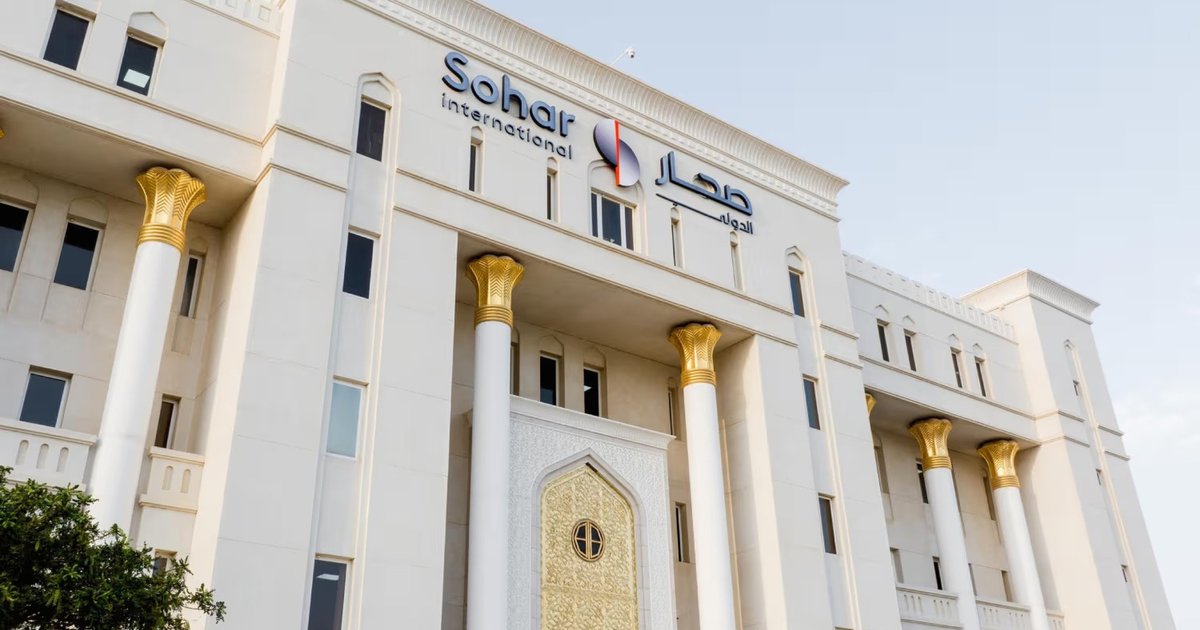
Sohar International Bank, Oman's second-largest lender by total assets, will open a representative office in Hong Kong on Thursday, marking the bank's first expansion beyond the Middle East. CEO Abdulwahid Mohamed Al Murshidi will attend the opening ceremony at Cheung Kong Center II in Central, according to sources. The establishment represents a significant milestone for the Muscat-based institution as it seeks to serve clients active across the broader Asian market.
Key Points
- Sohar International received approval from the Hong Kong Monetary Authority in April to establish a representative office in the city
- The office, located at Cheung Kong Center II in Central, will be led by Donald Chia as chief representative
- The bank operates 74 domestic branches and has already expanded into Saudi Arabia, offering retail, corporate, Islamic, and investment banking services
- Sohar International was founded in 2007 as Bank Sohar and rebranded in 2018; its 2023 merger with HSBC Bank Oman solidified its position as Oman's second-largest bank
- Five Middle Eastern banks currently operate in Hong Kong out of approximately 200 registered institutions, according to HKMA data
Why It Matters
Financial Secretary Paul Chan Mo-po noted in a Sunday blog post that Hong Kong is increasingly cementing its role as a long-term capital "landing point" and platform for Asia-Pacific business expansion. The arrival of an Omani bank underscores efforts to attract Middle Eastern financial institutions amid regional instability, potentially diversifying Hong Kong's investor base and strengthening its position as a gateway between Asia and the Gulf states .
Financial Secretary Paul Chan Mo-po noted in a Sunday blog post that Hong Kong is increasingly cementing its role as a long-term capital "landing point" and platform for Asia-Pacific business expansion. The arrival of an Omani bank underscores efforts to attract Middle Eastern financial institutions amid regional instability, potentially diversifying Hong Kong's investor base and strengthening its position as a gateway between Asia and the Gulf states .