Takaichi Pledges Stable Japan-China Ties Amid Frictions
Bastillepost · 2 SOURCESabout 4 hours ago7 MIN
Summary
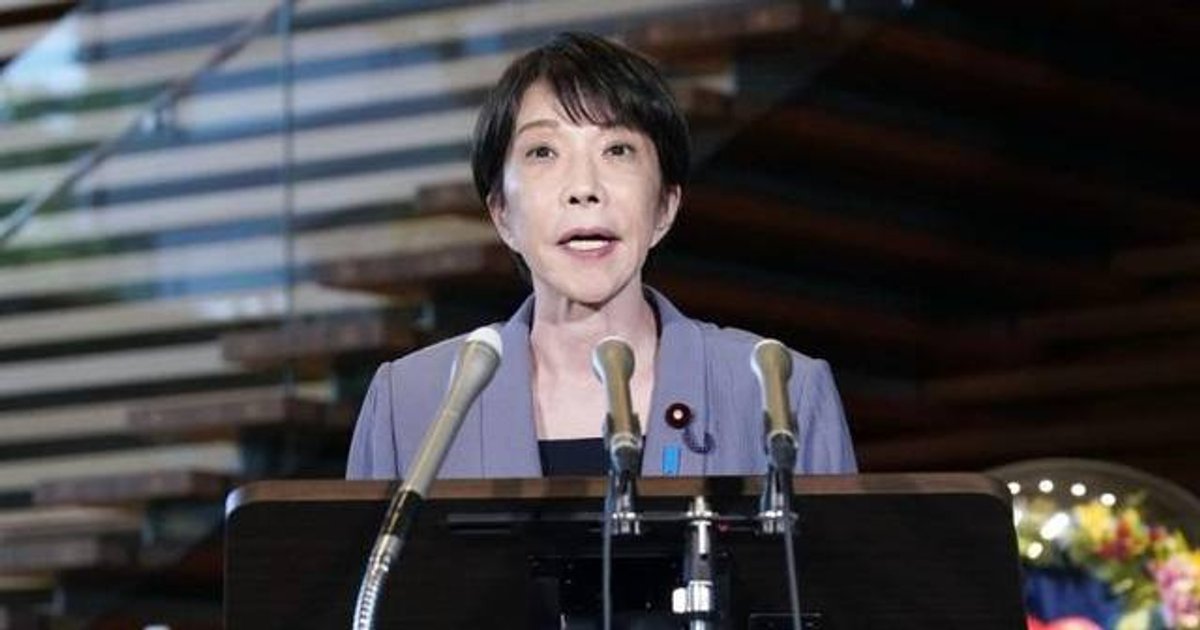
Japanese Prime Minister Sanae Takaichi (高市早苗) used a policy speech in the House of Representatives plenary session on October 5 to set out a dual-track approach toward China, describing it as an important neighbour while pledging to fully advance a “strategic relationship of mutual benefit.” She said Japan would pursue dialogue to protect national interests and work toward a constructive and stable bilateral relationship even where problems remain between the two sides. At the same time, she criticised China’s activities in the East China Sea and South China Sea, and also referred to what she called coercive measures such as export restrictions against Japan. Takaichi also said Japan would strengthen the deterrence and response capabilities of the US-Japan alliance and revise three national security documents by the end of the year
Key Points
- Takaichi delivered the policy speech at a plenary session of Japan’s House of Representatives on October 5, outlining her government’s foreign policy direction.
- She described China as an important neighbouring country and said Japan would fully advance a strategic relationship of mutual benefit on that basis.
- Takaichi said Japan would continue dialogue while protecting national interests, aiming to build constructive and stable bilateral ties despite existing problems.
- She criticised China’s increasingly active military activities in the East China Sea and South China Sea, and demanded responsible action from Beijing.
- Takaichi said Japan would raise the US-Japan alliance to a new level and revise three security documents before year-end to strengthen defence capabilities
- In Beijing last month, a Chinese defence ministry spokesperson said Japan, as a country outside the South China Sea region, had ignored facts and echoed the Philippines over incidents involving Philippine public vessels in waters around the Nansha Islands. The spokesperson said China firmly opposed Japan’s stance, accused Tokyo of trying to stir up trouble in the South China Sea for private gain, and urged Japan to explain its own accelerated “remilitarisation” and stop undermining peace and stability in the area. Takaichi also said Japan would support the International Criminal Court and work to maintain and strengthen an international order based on the rule of law
Why It Matters
For Hong Kong readers, the speech points to a Japan policy that seeks to keep channels with Beijing open while hardening its security posture, a combination that can affect the wider regional climate in East Asia. The emphasis on the East China Sea, South China Sea, export restrictions and the US-Japan alliance suggests continued strategic friction around trade and security issues that matter to regional business and diplomacy.