Thailand Probes Care Centre Over Alleged Unlawful Detention, Cage Beds
Thestandard · 3 SOURCESabout 5 hours ago2 MIN
Summary
Thai authorities launched an investigation into the Sothornchai Nursing Home (โรงแรมสุขภาพสมถวิล) in Tha Muang district, Kanchanaburi province, after a 68-year-old woman identified only as Phat appeared on the popular television programme "Hone Krasae" alleging she was unlawfully imprisoned for more than two and a half years. Phat claimed her son and daughter-in-law sent her to the facility against her will, where she was subjected to physical restraint, forced medication and abuse. She said staff put her in handcuffs and compelled her to take sleeping pills. She only managed to contact her sister, who helped secure her rescue.
Key Points
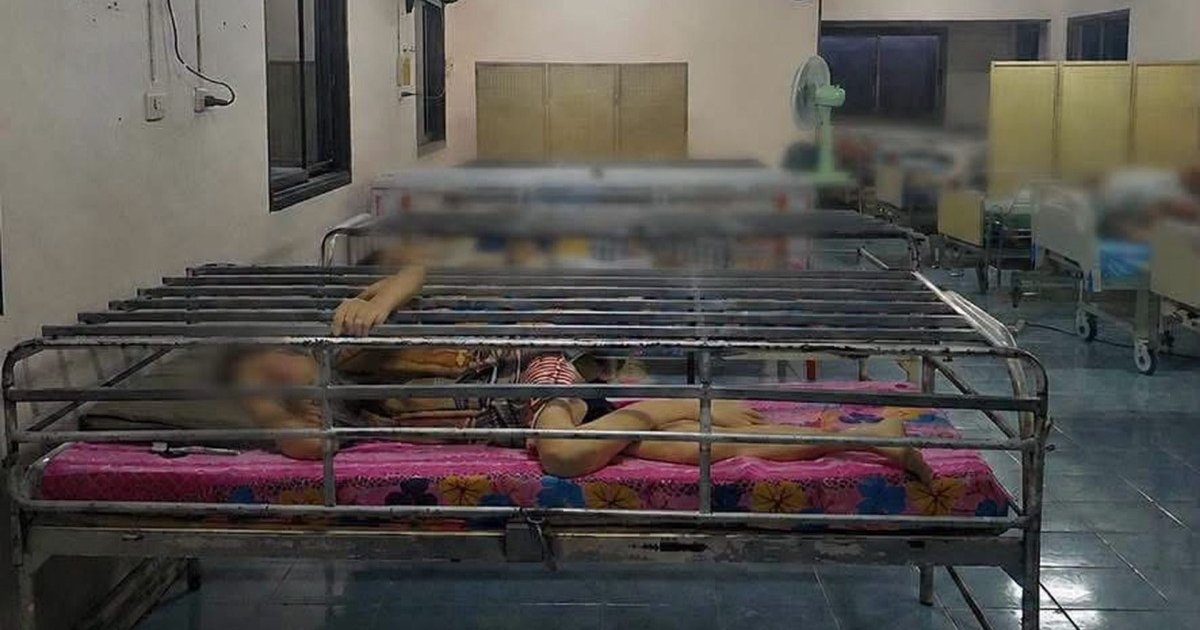
- On October 5, Thailand's Central Investigation Bureau (CIB), accompanied by television crew members and local health officials, conducted a raid on the care home and found conditions matching Phat's allegations, including metal cage beds described by Thai media as "grilled fish cages"
- The facility is surrounded by prison-style metal bars and razor wire fencing along its outer walls, with severely ill psychiatric patients confined to barred rooms
- The centre holds a valid elderly care institution operating permit but lacks a medical facility licence, yet houses 81 psychiatric patients among its 92 residents, with only 19 nursing staff on duty
- Manager known as Maeow (แม่โอ๋) denied Phat's claims, stating the woman's son brought her in because she was emotionally agitated, had set fire to a vehicle and damaged household items
- Maeow claimed the cage beds were a safer alternative to tying patients to beds, preventing self-harm, violence or wandering, and admitted the facilities might appear inappropriate but offered to improve them
Why It Matters
This case exposes serious gaps in Thailand's regulatory oversight of care facilities, particularly those handling vulnerable psychiatric patients. The lack of a medical licence combined with the apparent use of cage restraints raises questions about whether adequate safeguards exist to protect residents' basic human rights and dignity.
This case exposes serious gaps in Thailand's regulatory oversight of care facilities, particularly those handling vulnerable psychiatric patients. The lack of a medical licence combined with the apparent use of cage restraints raises questions about whether adequate safeguards exist to protect residents' basic human rights and dignity.