Indoor Heat in Hong Kong Subdivided Homes Reaches 52 Degrees: Survey
SCMP · 1 SOURCESabout 2 hours ago2 MIN
Summary
A joint study by CarbonCare InnoLab and the Concerning Subdivided Units Alliance found that indoor apparent temperatures in Hong Kong's subdivided flats and rooftop huts reached a scorching 52.21 degrees Celsius this summer. The survey of 86 households across nine districts revealed that 80 percent of homemakers experienced heat-related symptoms including dizziness and headaches. Nearly 70 percent of all respondents reported the oppressive heat affected their mood, while sleep quality was compromised for 70 percent of those surveyed.
Key Points
- The study measured "apparent temperatures" accounting for humidity, with an average daytime reading of 35.58 degrees and a peak of 52.21 degrees in a subdivided flat .
- Average indoor temperatures reached 29.93 degrees during the day and 29.42 degrees at night, both exceeding the Hong Kong Observatory's 28-degree "hot night" threshold .
- Homemakers, comprising 48 percent of surveyed households, bore the greatest burden, with 83 percent reporting frequent fatigue and 80 percent experiencing heat-related physical symptoms .
- Electricity costs in inadequate housing averaged HK$3.90 per square foot, nearly double the HK$1.90 per square foot paid by public housing tenants .
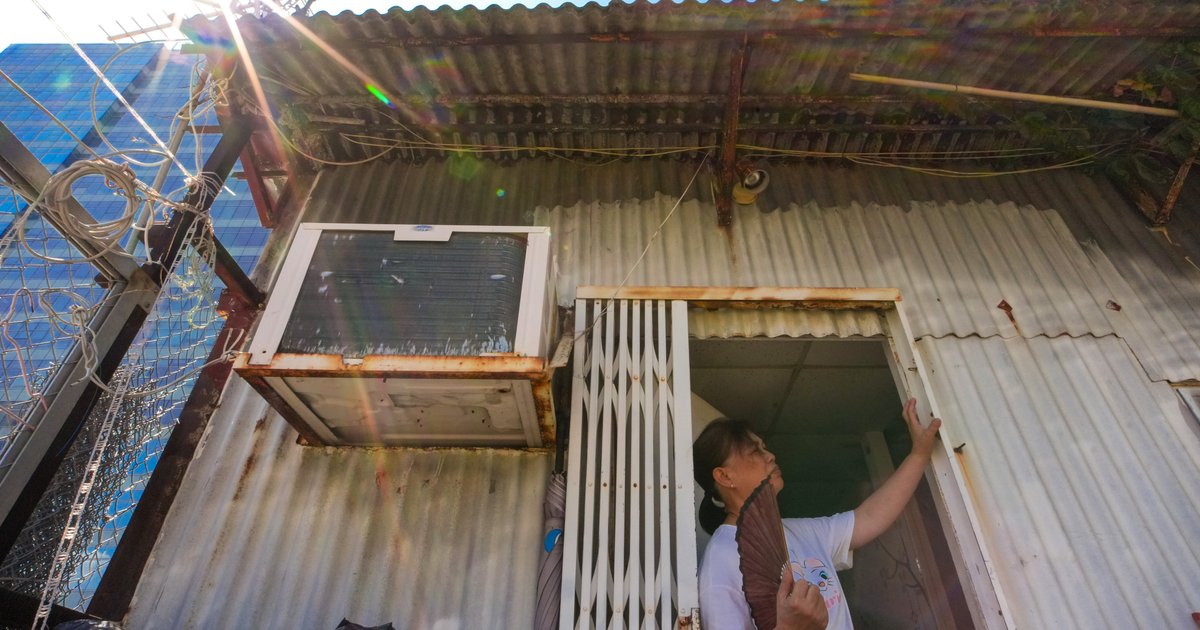
- A Sai Wan Ho resident identified as Ah Kam described living in an 80-square-foot subdivided flat with her family of three, spending most daylight hours in community facilities to escape the heat .
Why It Matters
The findings expose a critical health crisis facing Hong Kong's most vulnerable residents, with low-income families bearing disproportionate energy costs while suffering severe physical and mental health impacts. As climate change intensifies urban heat island effects, the data underscores an urgent need for policy intervention to protect subdivided unit occupants from dangerous indoor conditions.
The findings expose a critical health crisis facing Hong Kong's most vulnerable residents, with low-income families bearing disproportionate energy costs while suffering severe physical and mental health impacts. As climate change intensifies urban heat island effects, the data underscores an urgent need for policy intervention to protect subdivided unit occupants from dangerous indoor conditions.