NTHU president faces resignation calls over US job bid
SingTao · 2 SOURCESabout 1 hour ago6 MIN
Summary
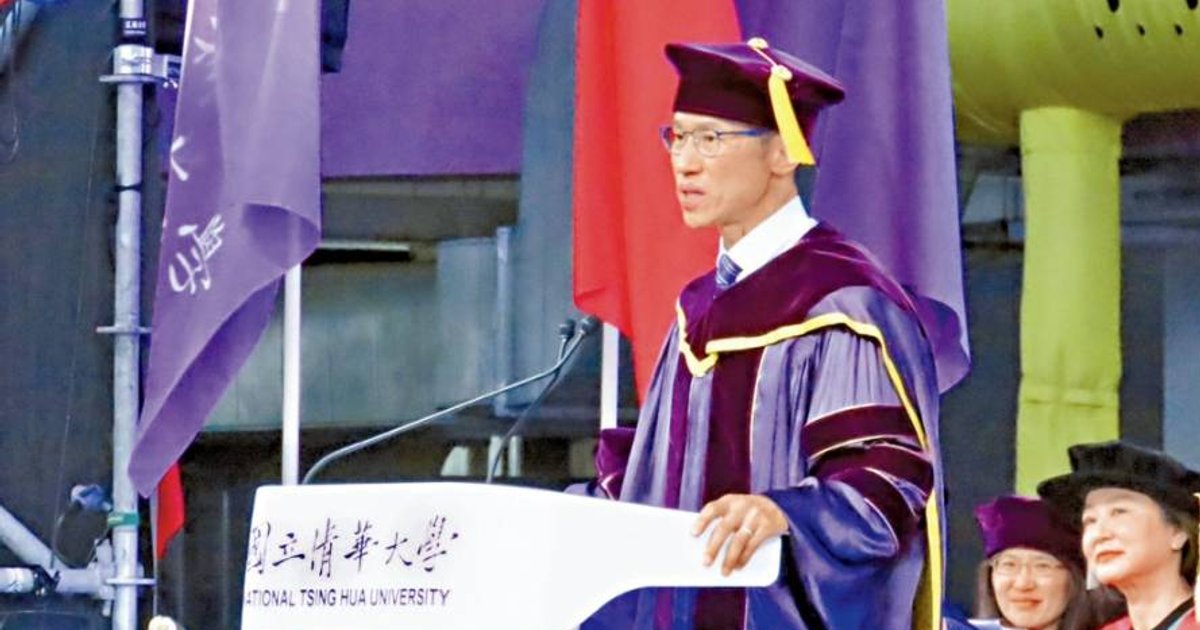
National Tsing Hua University president Kao Wei-yuan (高為元), a former vice-president of the University of Hong Kong, is facing calls to resign after taking part in the final round of the University of Hawaii at Manoa presidential search three days after starting his second term on 1 May. The episode was first exposed in late July and has since triggered criticism over professional credibility and leadership ethics. More than 10 academicians and scholars, including Academia Sinica academic Liang Kung-yee (梁賡義) and former Hong Kong University of Science and Technology president Wei Shyy (史維), launched a petition on 24 September urging Kao to step down. NTHU has defended Kao, saying his governance results are the most objective measure of integrity and that he will continue to work harder to regain trust.
Key Points
- Kao took office as NTHU president in 2022, won support from more than half of the university's teachers for reappointment in March last year, and began his second term on 1 May.
- On 4 May, the third day of his new term, he travelled to the United States for the final selection process for the presidency of the University of Hawaii at Manoa.
- After the matter surfaced in late July, Kao apologised twice, first in an email to all staff and students on 9 August and again on 10 September
- In his later response, Kao said he had not treated NTHU as a fallback, donated his May salary, and pledged to donate every May salary during his term to renovate student dormitories.
- Liang, who previously convened NTHU's presidential search committee, said last week that a reappointed president should not interview elsewhere, while Taiwan's national teachers' union federation also urged Kao to step down and called for rule changes
Why It Matters
For Hong Kong readers, the dispute has drawn attention because several central figures, including Kao and Wei Shyy, previously held senior posts at Hong Kong universities. It also raises practical questions for cross-border higher-education governance, especially how universities should regulate outside recruitment, reappointment expectations and accountability when leaders are courted internationally.