Four in Ten Pedestrian Crossings Upgraded with New Audible Devices
HK01 · 4 SOURCESabout 4 hours ago6 MIN
Summary
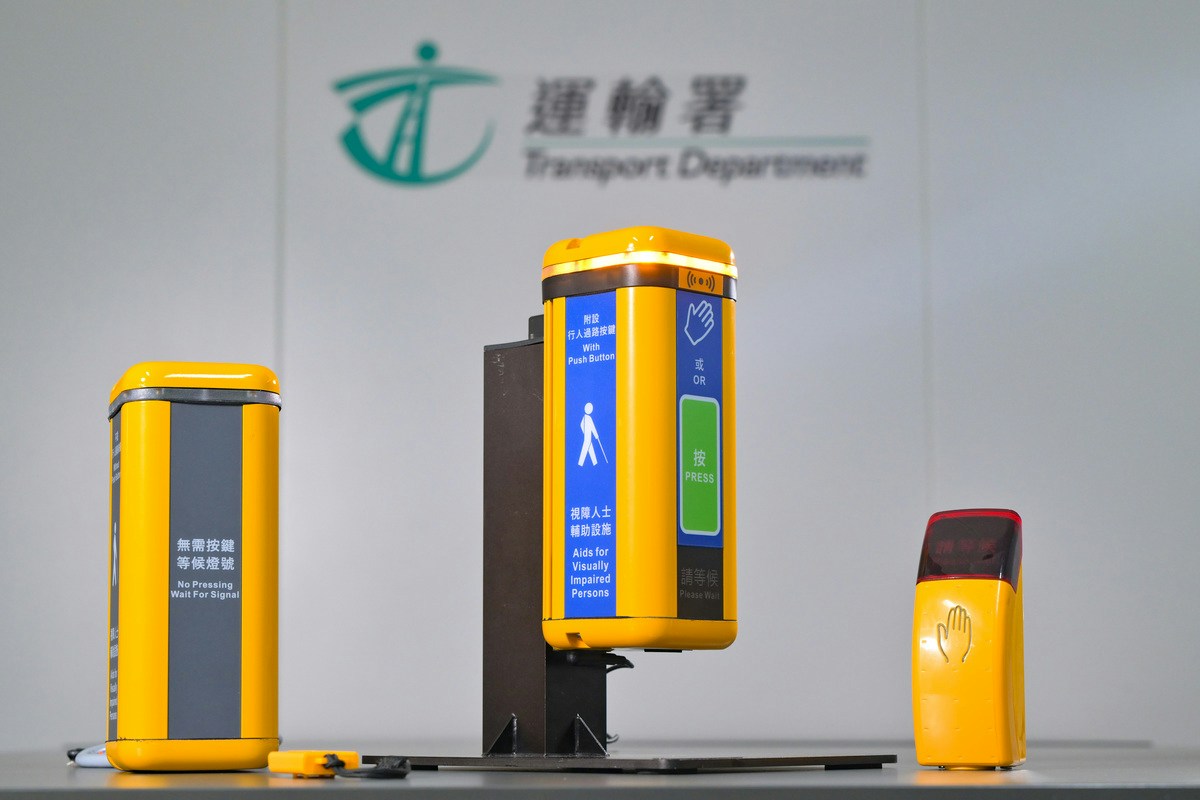
The Transport Department has replaced audible traffic signal devices at approximately 800 pedestrian crossings across Hong Kong, representing 40 percent of the city's total, since launching the upgrade programme in April 2025. The new devices, installed at traffic lights to assist visually impaired pedestrians through sound and vibration cues indicating signal changes, include enhanced features such as multilingual voice location prompts, tactile maps, and smart volume controls. With a target to complete all 2,000 crossings by the end of 2027, the department is prioritising areas with significant visually impaired populations, while also addressing noise concerns raised by nearby residents through nighttime volume reduction.
Key Points
- The Transport Department launched the replacement programme in April 2025 and completed upgrades at 800 crossings, covering 40 percent of Hong Kong's approximately 2,000 signalised pedestrian crossings, by August 2026 .
- New audible devices provide voice location prompts in Cantonese, Mandarin, and English, announcing nearby street names to help visually impaired pedestrians orient themselves before crossing, along with tactile maps to assist with navigation .
- To address residents' noise concerns, the devices automatically reduce volume by up to 5 decibels at night, with visually impaired users able to temporarily override this via a dedicated remote control or mobile application .
- The government has distributed 15,000 dedicated remote controls through visual impairment organisations; the remote features a '1' button for single volume boost and an 'O' button for 20-minute cycling volume increase .
- Lee Kai-tak (李啟德), a 57-year-old visually impaired man who lost his sight over 30 years ago, participated in the device design process and praised the remote control features as a "perfect design" .
Why It Matters
The upgrade programme directly improves mobility and safety for Hong Kong's visually impaired community, who have long relied on these audible devices that had largely remained unchanged for over 20 years . The inclusion of visually impaired users in the design process, along with practical features like multilingual prompts and tactile maps, represents a meaningful step toward inclusive urban infrastructure in the city .
The upgrade programme directly improves mobility and safety for Hong Kong's visually impaired community, who have long relied on these audible devices that had largely remained unchanged for over 20 years . The inclusion of visually impaired users in the design process, along with practical features like multilingual prompts and tactile maps, represents a meaningful step toward inclusive urban infrastructure in the city .