China Scenic Spot NPCs Go Viral, Creating Immersive Travel Experiences
On.cc · 1 SOURCESabout 2 hours ago4 MIN
Summary
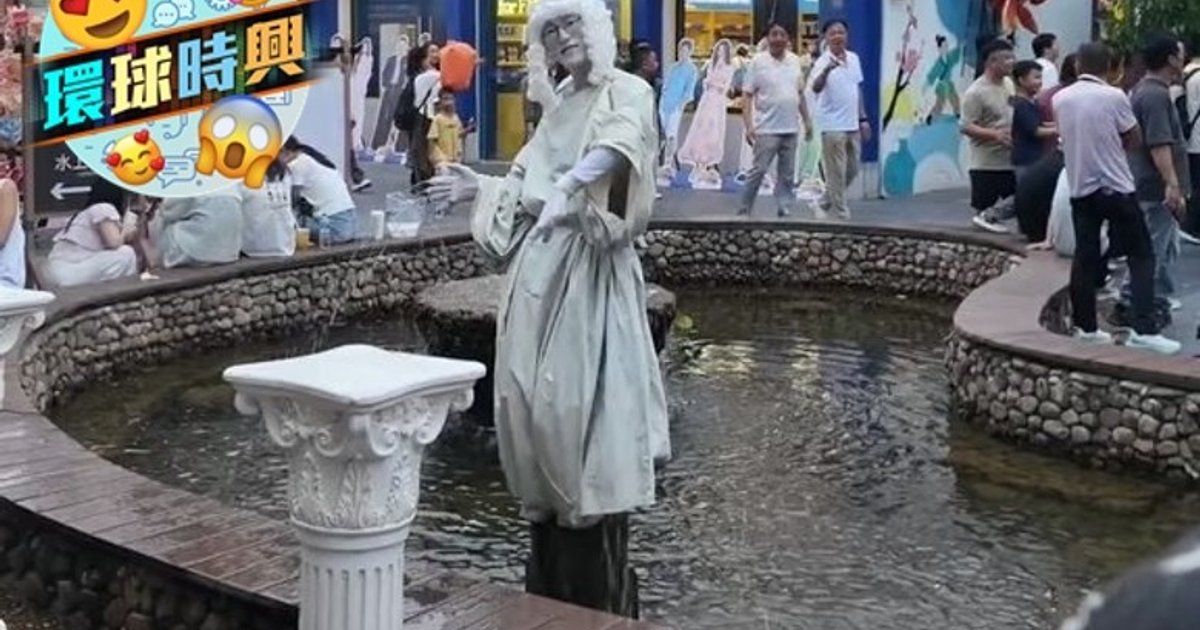
Non-player characters at Chinese tourist attractions have become internet sensations, offering visitors immersive cultural experiences through role-play and interaction. In Jiangxi's Wuyuan Wuyu Island scenic area, a performer known as the "human fountain" NPC has gone viral, reportedly earning 400 yuan daily for two hours of work. Industry observers note the trend reflects tourists' growing demand for participation and emotional value in travel.
Key Points
- The "human fountain" NPC at Wuyuan Wuyu Island scenic area in Jiangxi province, performed by Mr. Li (李先生), sprays water from his fingertips while posing in white curly hair and a long robe
- Internet rumors claim he earns 400 yuan RMB (approximately 471 HKD) daily for just two hours of work
- Mr. Li clarifies the actual work process takes five hours and 30 minutes total, including makeup application and removal
- In Hangzhou's West Lake area, another popular "West Lake Flower Seller" NPC hands out lotus flowers while dressed in ancient Chinese attire, creating a Song dynasty atmosphere
- Industry analysts attribute the NPC craze to tourists' dual demand for participation and emotional value in their travel experiences
Why It Matters
The viral success of scenic spot NPCs signals a shift in tourism toward experiential and emotional engagement, moving beyond passive sightseeing to create memorable moments through human interaction. This trend presents significant opportunities for Hong Kong's own cultural tourism sector, which could similarly leverage role-play performers to differentiate attractions and attract visitors seeking deeper, more personal travel experiences in the Greater Bay Area.
The viral success of scenic spot NPCs signals a shift in tourism toward experiential and emotional engagement, moving beyond passive sightseeing to create memorable moments through human interaction. This trend presents significant opportunities for Hong Kong's own cultural tourism sector, which could similarly leverage role-play performers to differentiate attractions and attract visitors seeking deeper, more personal travel experiences in the Greater Bay Area.