Ningde Daily Exports 30 Tons of Yellow Croaker to Hong Kong
Bastillepost · 1 SOURCESabout 16 hours ago2 MIN
Summary
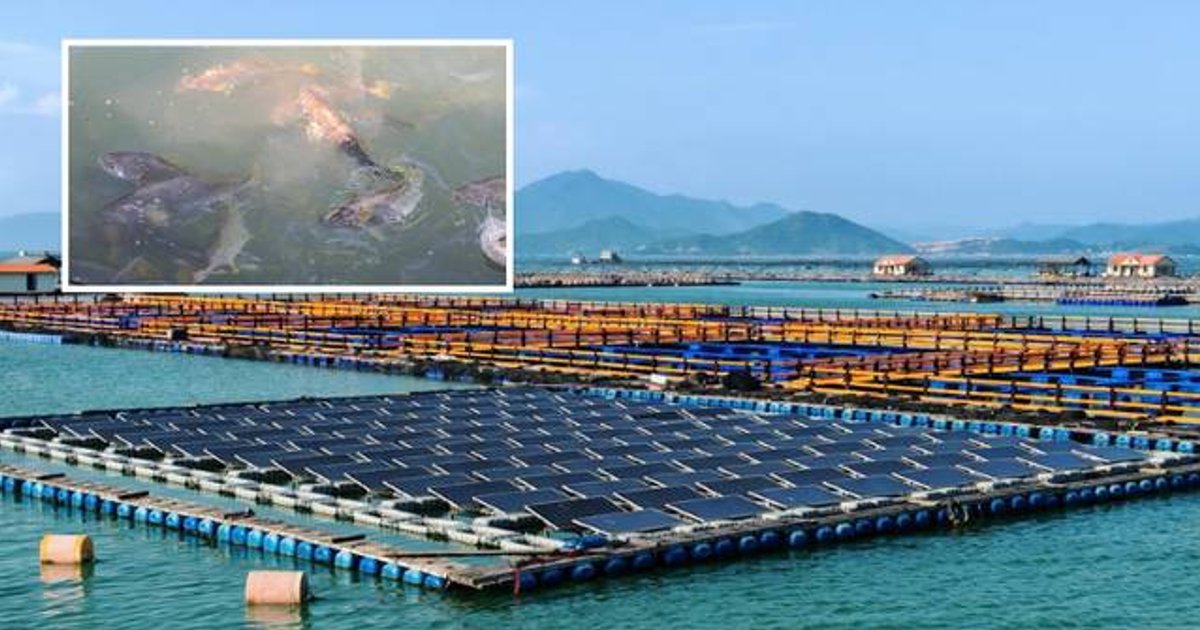
A Hong Kong media delegation visited Ningde's Sandu Bay on August 6 to inspect an integrated offshore wind-solar-storage-charging microgrid project and local yellow croaker aquaculture operations . Ningde supplies 100% of Hong Kong's fresh yellow croaker market, shipping approximately 30 tons daily through a streamlined cold chain that delivers fish from sea to Hong Kong markets within hours . The region has developed a complete vertical industry chain worth over 20 billion RMB annually, with more than 80% of global yellow croaker originating from Ningde . An innovative offshore renewable energy microgrid now powers fishing operations while addressing historical environmental and safety challenges faced by local fishermen .
Key Points
- Hong Kong media delegation inspected Sandu Bay's Baiji Bay fish farms on August 6, 2024 .
- Ningde's Guanjingyang Bay offers unique natural conditions with stable 12-20°C seawater temperatures .
- Wild yellow croaker nearly went extinct from overfishing before successful artificial breeding programs .
- Over 80% of global yellow croaker now originates from Ningde, with nationwide breeding technology from the region .
- Daily 30-ton supply to Hong Kong departs at 3-4 AM and arrives same morning via direct road transport .
- Fish are caught at 8-9 PM using light-avoidance methods to preserve golden coloration .
- Offshore microgrid features 58.88 kW floating solar generating 70,000 kWh annually .
- 200 kWh lithium iron phosphate storage sustains power through 10-15 days of continuous storms .
- Seawater desalination system co-developed with Nanjing University produces 100 liters daily .
- Previous diesel generators and lead-acid batteries caused noise, oil leaks, and marine pollution .
Why It Matters
This development exemplifies China's "blue new quality productive forces" strategy, integrating renewable energy with sustainable aquaculture to modernize traditional fishing industries . The project demonstrates how technological innovation can simultaneously solve environmental problems, improve worker safety, and enhance food supply chain reliability for major consumer markets like Hong Kong .
This development exemplifies China's "blue new quality productive forces" strategy, integrating renewable energy with sustainable aquaculture to modernize traditional fishing industries . The project demonstrates how technological innovation can simultaneously solve environmental problems, improve worker safety, and enhance food supply chain reliability for major consumer markets like Hong Kong .