Japan court upholds will, widow gets nothing
SingTao · 1 SOURCESabout 2 hours ago2 MIN
Summary
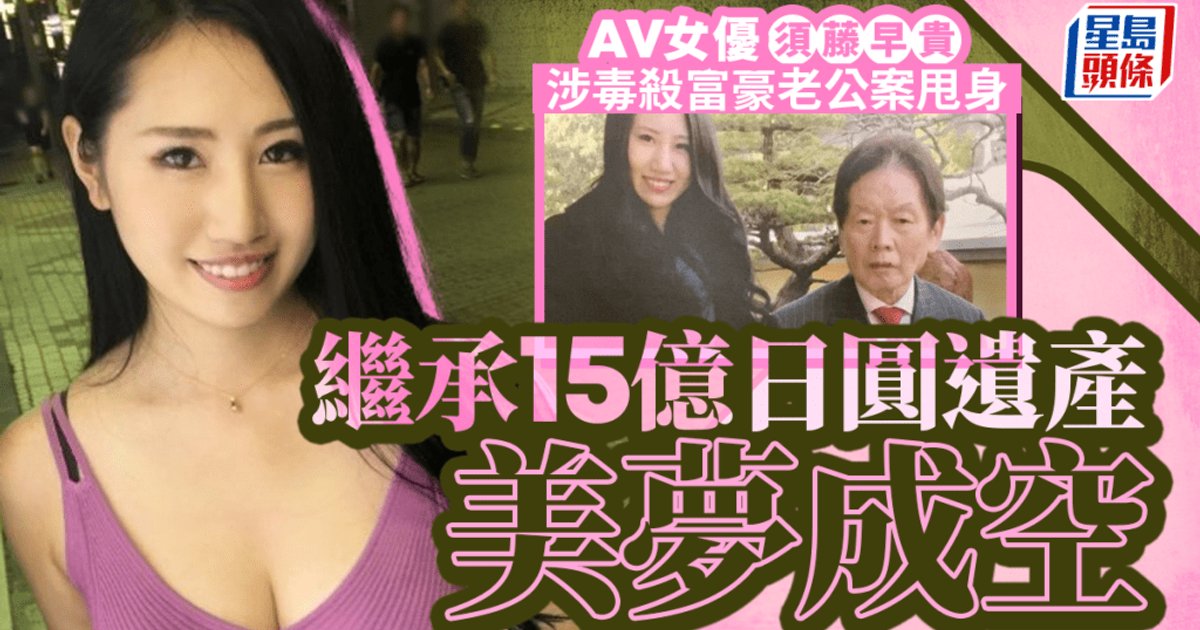
Japan’s Supreme Court has ruled that a handwritten note left by wealthy Wakayama businessman Yukisuke Nozaki was legally valid, meaning his entire 1.5 billion yen estate will go to the Tanabe city government rather than to his widow or relatives. Saki Sudo, now 30, had drawn public attention because she married Nozaki in 2018 and was later suspected in his death, but she was acquitted in a second-instance criminal trial in March. The inheritance fight centered on a simple 2013 note written in red pen stating that all of Nozaki’s assets should be donated to Tanabe city. After losing through three levels of civil litigation, Sudo will receive none of the estate
Key Points
- Saki Sudo, 30, married 77-year-old businessman Yukisuke Nozaki in 2018, but he died three months later from acute drug poisoning
- Nozaki’s estate was valued at 1.5 billion yen, about HK$74 million, and became the subject of a prolonged inheritance dispute after his death
- The disputed 2013 handwritten note, written in red pen, said all of Nozaki’s personal assets should be donated to the Tanabe city government
- A first-instance court in June 2024 found Nozaki habitually wrote in red pen, that the handwriting closely matched, and that the will was legally valid
- Japan’s Supreme Court issued its final ruling on September 30, upholding the will and leaving Sudo with none of the inheritance after three defeats
Why It Matters
For Hong Kong readers, the case is a reminder that criminal acquittal and inheritance rights are separate legal questions, and that estate distribution can still turn entirely on documentary evidence. It also shows how a brief handwritten will, if accepted as authentic by the courts, can override family expectations and leave even a surviving spouse without any share