HKUST Study Reveals Deep-Sea Organisms' Chemosynthetic Symbiosis Mechanism
SingTao · 1 SOURCESabout 3 hours ago2 MIN
Summary
A research team led by the Hong Kong University of Science and Technology (HKUST) has made a significant discovery about how deep-sea organisms adapt to environmental changes through chemosynthetic symbiosis. Professor Qian Peiyuan, Chair Professor of Marine Science at HKUST, led an international team that studied the metabolic mechanisms of "white melon shell" clams and their sulfur-oxidizing symbiotic bacteria in the South China Sea. The findings reveal a sophisticated graded adaptation system that enables these organisms to survive in the extreme conditions of deep-sea cold seeps.
Key Points
- The international research collaboration included HKUST, the Southern Marine Science and Engineering Guangdong Laboratory (Guangzhou), Ocean University of China, the Chinese Academy of Sciences Institute of Oceanology, and the University of Calgary in Canada
- Scientists selected the Seahorse Cold Seep area in the South China Sea as their research site, focusing on "white melon shell" clams and their sulfur-oxidizing symbiotic bacteria as the study subjects
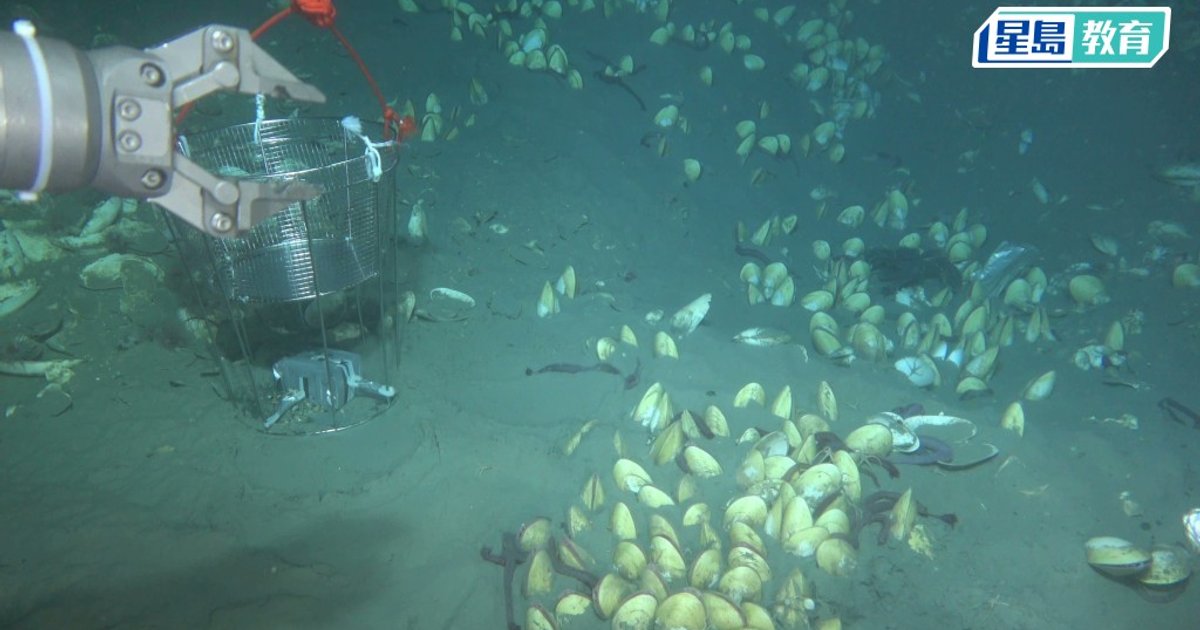
- The team transplanted "white melon shell" specimens from native sediments into transplant cages positioned approximately 0.5 meters above the seafloor to simulate reduced hydrogen sulfide availability and energy intake
- Results demonstrated that when hydrogen sulfide supply decreased, symbiotic bacteria underwent significant metabolic reprogramming, adjusting their sulfur oxidation strategy to enhance thiosulfate utilization for maintaining energy metabolism and carbon fixation
- Professor Qian Peiyuan explained that the findings suggest "white melon shell" clams and their symbiotic bacteria form a multi-layered graded adaptation mechanism, enabling appropriate resource allocation in response to environmental stress levels
Why It Matters
The study establishes an in-situ experimental model that provides a new research pathway for investigating how organisms inhabiting extreme deep-sea environments respond to natural environmental changes at the molecular level. These findings offer new scientific evidence for understanding how global deep-sea cold seep ecosystems adapt to environmental changes while maintaining ecological functions and biodiversity .
The study establishes an in-situ experimental model that provides a new research pathway for investigating how organisms inhabiting extreme deep-sea environments respond to natural environmental changes at the molecular level. These findings offer new scientific evidence for understanding how global deep-sea cold seep ecosystems adapt to environmental changes while maintaining ecological functions and biodiversity .