Kwai Chung Hospital Phase 2 Opens with Treatment Village Concept
HK01 · 1 SOURCESabout 3 hours ago2 MIN
Summary
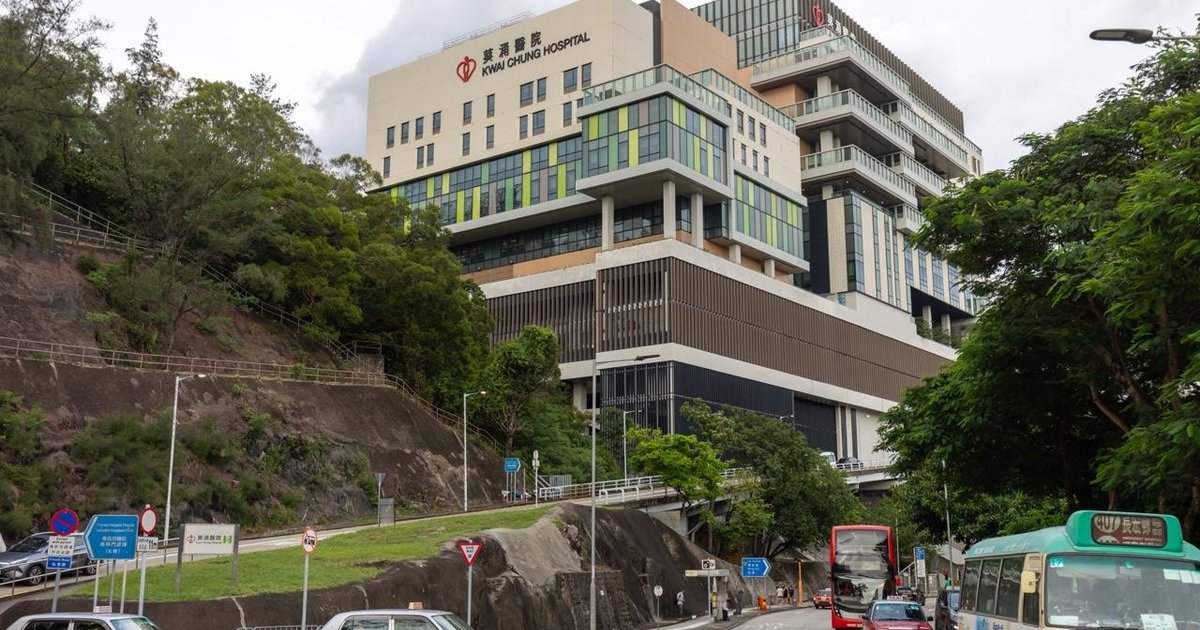
Kwai Chung Hospital officially opened its Phase 2 reconstructed building, introducing Hong Kong's first dedicated child and adolescent psychiatric service center . The new facility embraces the "Treatment Village" concept, breaking away from the traditional closed psychiatric hospital model by integrating outpatient clinics, day hospitals, and inpatient services under one roof . Hospital administrators emphasize that the environment itself constitutes an integral part of psychiatric treatment, aiming to reduce unnecessary hospitalizations while creating open and safe therapeutic spaces .
Key Points
- The new building introduces the Treatment Village concept, integrating specialist outpatient services, day hospitals, and inpatient care into one cohesive environment
- A slanted toilet design, soft-material hooks, and 2.7-meter anti-scratch curtain walls minimize self-harm risks in patient wards
- Bed spacing has been significantly widened compared to acute hospitals, creating a family-style atmosphere and reducing patient friction
- The child and adolescent psychiatric service center, the only one in Hong Kong, offers puppet theaters and playrooms for patients under 18
- An occupational rehabilitation base features a multi-functional work ability simulation system, including driving simulation for patients' reintegration
Why It Matters
This development signals a transformative shift in Hong Kong's psychiatric care landscape, moving away from institutional seclusion toward a community-based, patient-centered model that recognizes environmental design as therapeutic intervention . With approximately 90 percent of services already relocated to the new building and Phase 3 construction planned to include a rehabilitation garden, the hospital aims to provide multi-sensory therapeutic experiences for patients with stable conditions .
This development signals a transformative shift in Hong Kong's psychiatric care landscape, moving away from institutional seclusion toward a community-based, patient-centered model that recognizes environmental design as therapeutic intervention . With approximately 90 percent of services already relocated to the new building and Phase 3 construction planned to include a rehabilitation garden, the hospital aims to provide multi-sensory therapeutic experiences for patients with stable conditions .