Hong Kong-Zhuhai-Macau Bridge to Launch Smart Pass System in December
HK01 · 2 SOURCESabout 3 hours ago2 MIN
Summary
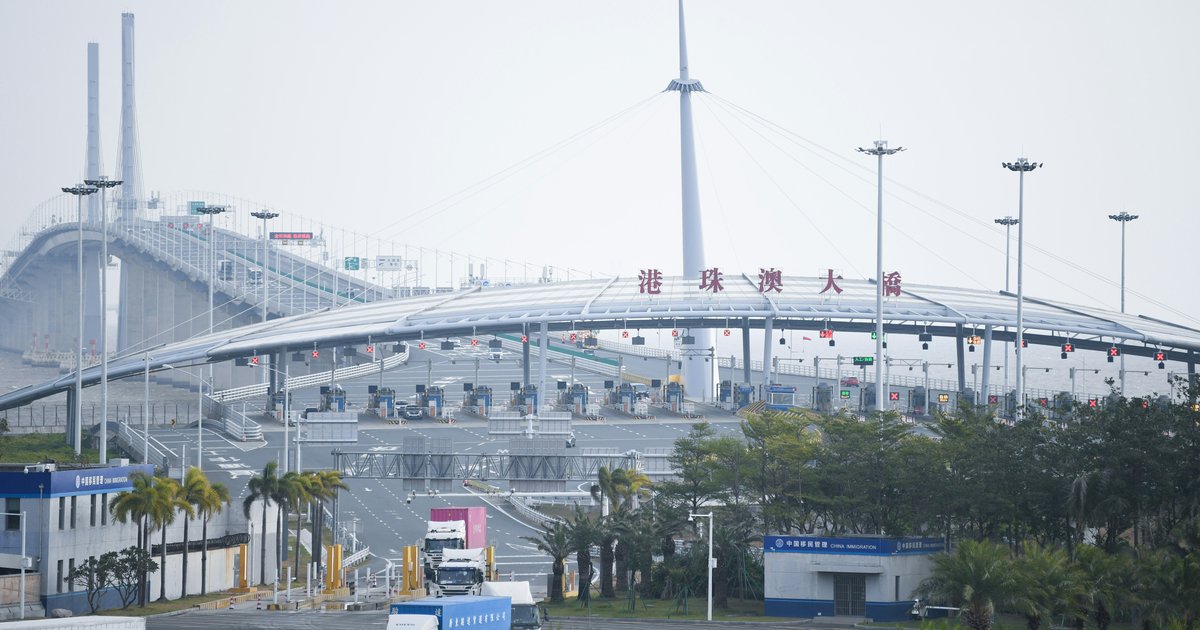
The Hong Kong government is preparing to launch a "Smart Pass" pilot scheme at the Hong Kong-Zhuhai-Macau Bridge Hong Kong port in December 2026, which will allow registered cross-border private car drivers and passengers to go through immigration clearance without stopping their vehicles. The new system utilizes artificial intelligence and facial recognition technology to automatically verify the identities of occupants within one minute, significantly faster than the current 2-3 minute process. Industry stakeholders have welcomed the initiative but have called on authorities to implement robust backup measures and contingency plans to address potential technical challenges during the initial implementation phase.
Key Points
- Government will launch the Smart Pass pilot scheme at the Hong Kong-Zhuhai-Macau Bridge Hong Kong port in December 2026, using AI and facial recognition technology for contactless clearance
- Currently, drivers must lower windows to present identity documents to immigration officers, with the clearance process taking approximately 2-3 minutes per vehicle
- At the Zhuhai port, passengers must exit their vehicles to go through immigration, frequently causing situations where people wait for vehicles or vice versa
- Chan Chung-ni, a Legislative Council member, emphasized the need for coordination with mainland and Macau authorities to achieve trilateral bidirectional Smart Pass clearance
- Li Yao-pei, Honorary Permanent President of the China Hong Kong Automobile Association, recommended preserving manual inspection lanes as backup when facial recognition fails, located approximately 50 meters from the automatic lanes
Why It Matters
The Smart Pass initiative represents a significant step toward modernizing border crossing procedures between Hong Kong and mainland China, potentially reducing clearance times by up to two-thirds. If successfully implemented, the system could serve as a model for other high-traffic border crossing points in the Greater Bay Area, enhancing regional integration and economic connectivity. The success of this pilot scheme will depend heavily on addressing public concerns about data privacy and ensuring reliable system performance under various environmental conditions .
The Smart Pass initiative represents a significant step toward modernizing border crossing procedures between Hong Kong and mainland China, potentially reducing clearance times by up to two-thirds. If successfully implemented, the system could serve as a model for other high-traffic border crossing points in the Greater Bay Area, enhancing regional integration and economic connectivity. The success of this pilot scheme will depend heavily on addressing public concerns about data privacy and ensuring reliable system performance under various environmental conditions .