Tuen Mun Hospital Patient Dies After Misdiagnosis, Coroner Rules Natural Causes
On.cc · 2 SOURCESabout 2 hours ago2 MIN
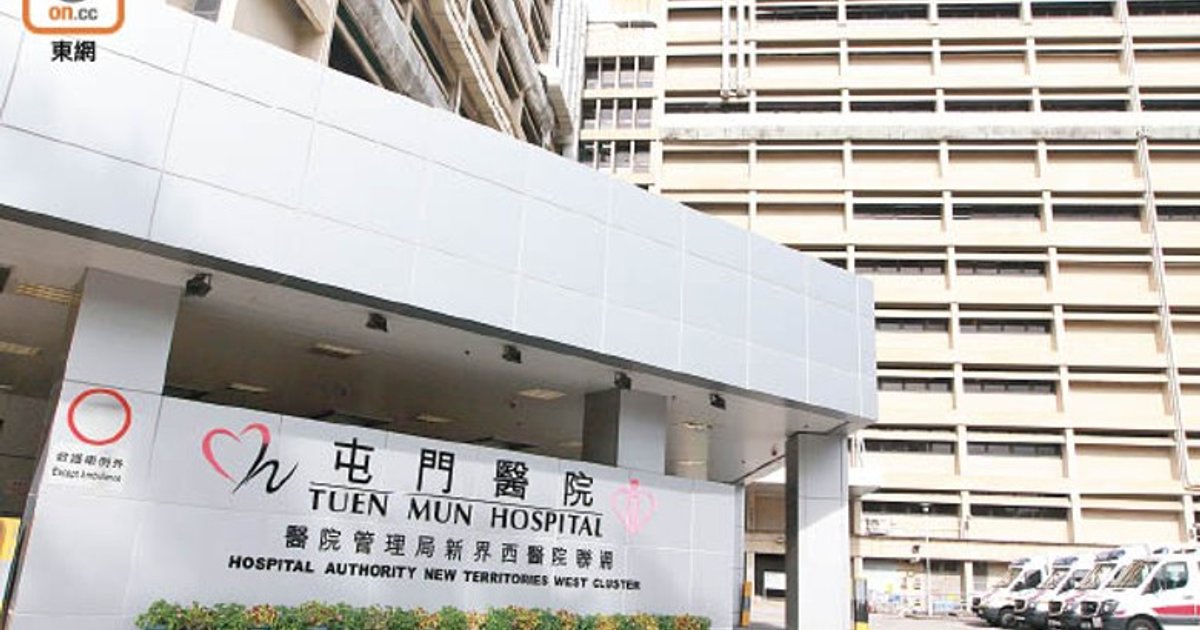
Summary
A coroner's inquest concluded on June 12 at the West Kowloon Magistrates' Courts determined that the death of a 44-year-old psychiatric patient at Tuen Mun Hospital was due to natural causes. Cheung Chi-keung died in the early hours of March 3, 2024, after being treated for abdominal pain the previous day and discharged with a gastroenteritis diagnosis. Medical evidence revealed he suffered from severe fecal impaction leading to intestinal obstruction, aspiration pneumonia, and ultimately septic shock.
Key Points
- Cheung Chi-keung, a resident of Yan Wing Rehabilitation Centre, was taken to Tuen Mun Hospital's emergency department on March 2, 2024, presenting with abdominal pain, vomiting, and fever
- Attending physician Dr. Mak Ho-hang diagnosed gastroenteritis and discharged Cheung that afternoon, prescribing stomach medication; he was aware Cheung took psychiatric drugs known to cause constipation
- Cheung collapsed in the rehabilitation centre's toilet at around 1am on March 3 and was rushed back to Tuen Mun Hospital, where he was pronounced dead at 2:50am
- Post-mortem examination by forensic pathologist Ko Wing-fu found severe fecal impaction, aspiration pneumonia, and identified intestinal obstruction as the direct cause of death
- Coroner Mr. Justice Chow Chi-wai instructed the jury they could return verdicts of misadventure, suicide, or open verdict if they found otherwise, but the jury unanimously ruled natural causes
Why It Matters
The verdict highlights the challenges faced by Hong Kong's public hospitals in diagnosing life-threatening conditions in psychiatric patients whose medications can mask or mimic symptoms of serious complications. While the jury accepted the natural causes ruling, the case may prompt reviews of clinical protocols for patients with known risk factors such as medication-induced constipation.
The verdict highlights the challenges faced by Hong Kong's public hospitals in diagnosing life-threatening conditions in psychiatric patients whose medications can mask or mimic symptoms of serious complications. While the jury accepted the natural causes ruling, the case may prompt reviews of clinical protocols for patients with known risk factors such as medication-induced constipation.