Sanrio Terminates VIVANT Tie-in After Chinese Media Accuse Drama of Smearing China
AM730 · 3 SOURCESabout 2 hours ago6 MIN
Summary
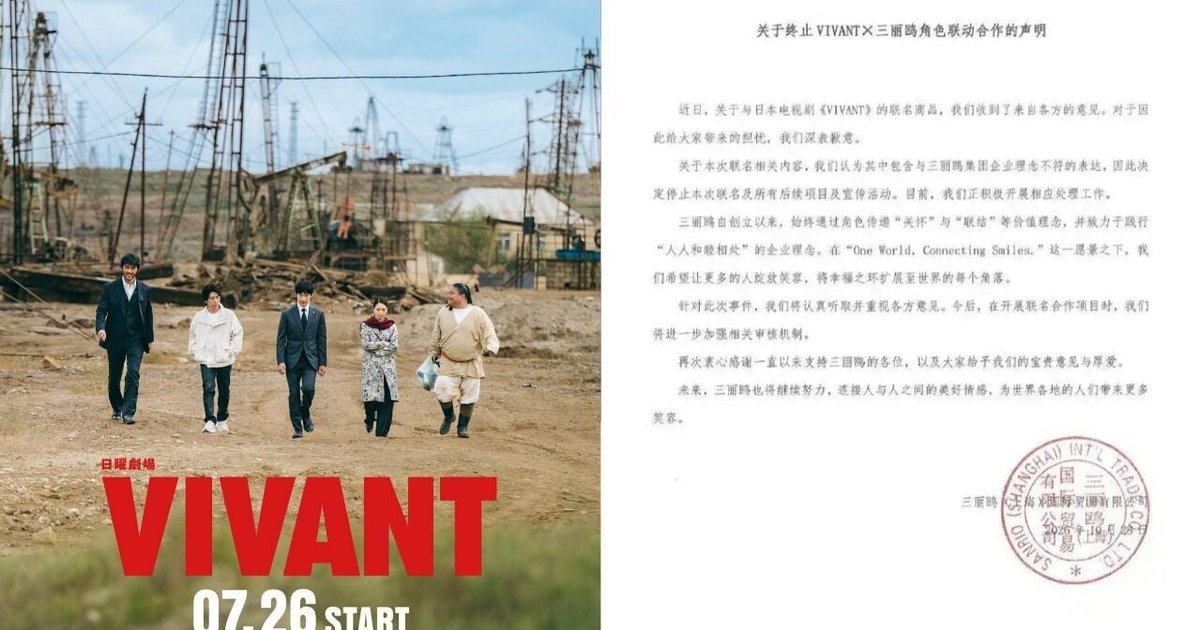
Japanese entertainment company Sanrio announced on October 28 that it is immediately terminating its cross-promotional partnership with TBS television drama VIVANT (also known as "別班"), following accusations from Chinese state media that the show contains content insulting to China. The company's Shanghai subsidiary issued a late-night statement apologizing for the collaboration and confirming all related merchandise and promotional activities have been discontinued. The move comes after CCTV and the Global Times criticized Season 2 of the spy drama for depicting Chinese intelligence personnel engaging in torture methods historically associated with Imperial Japanese military atrocities.
Key Points
- Sanrio (Shanghai) International Trading Co. confirmed termination of VIVANT collaboration on October 28, citing violation of company philosophy emphasizing care and harmony
- CCTV accused VIVANT Season 2 of "cognitive poisoning" and deliberately manufacturing anti-China hostility through portrayals of Chinese agents using finger amputation and stomach piercing torture methods
- TBS Shopping removed all VIVANT merchandise including plush toys and T-shirts from its website following the controversy
- Sanrio generated 7.81 billion yuan in mainland China revenue during the first half of 2026, representing growth of over 40 percent year-on-year
- The Global Times urged Sanrio to draw a clear line against "erroneous historical views" given China is a crucial overseas market for the company
- The cross-promotional collaboration between Sanrio and VIVANT launched in July 2026, featuring characters from Sanrio's portfolio including Hello Kitty, Kuromi, and My Melody
Why It Matters
The incident demonstrates how international entertainment companies operating in China must navigate heightened sensitivities around historical narratives and national image portrayals, with the ability to swiftly terminate partnerships to protect market access . The speed of Sanrio's response and the explicit acknowledgment of Chinese consumer sentiment underscore the commercial imperatives that drive such companies to align with Beijing's framing of historical issues.
The incident demonstrates how international entertainment companies operating in China must navigate heightened sensitivities around historical narratives and national image portrayals, with the ability to swiftly terminate partnerships to protect market access . The speed of Sanrio's response and the explicit acknowledgment of Chinese consumer sentiment underscore the commercial imperatives that drive such companies to align with Beijing's framing of historical issues.