TVB Actress Gu Pui-Ling Shifts to KOL Career After Sitcom Ends
SingTao · 1 SOURCES1 day ago2 MIN
Summary
Gu Pui-Ling (Gu Peiling), a 27-year-old former Miss Hong Kong pageant third runner-up, has transitioned from acting to becoming a lifestyle influencer after TVB's beloved sitcom Tenants of the Same House concluded its run. Without new drama projects lined up, she has turned to Xiaohongshu, China's popular social platform, uploading regular content ranging from Japanese-style fashion hauls to home baking tutorials. Despite being groomed by TVB throughout her career, her audience reception has remained polarizing, with online critics frequently targeting both her character portrayal and alleged cosmetic procedures. Unlike some co-stars who must hustle for income, Gu reportedly enjoys financial security from her family background, with sources indicating her father holds significant business interests in mainland China.
Key Points
- Gu Pui-Ling, 27, rose to fame playing Sister So in TVB's Tenants of the Same House, which recently ended
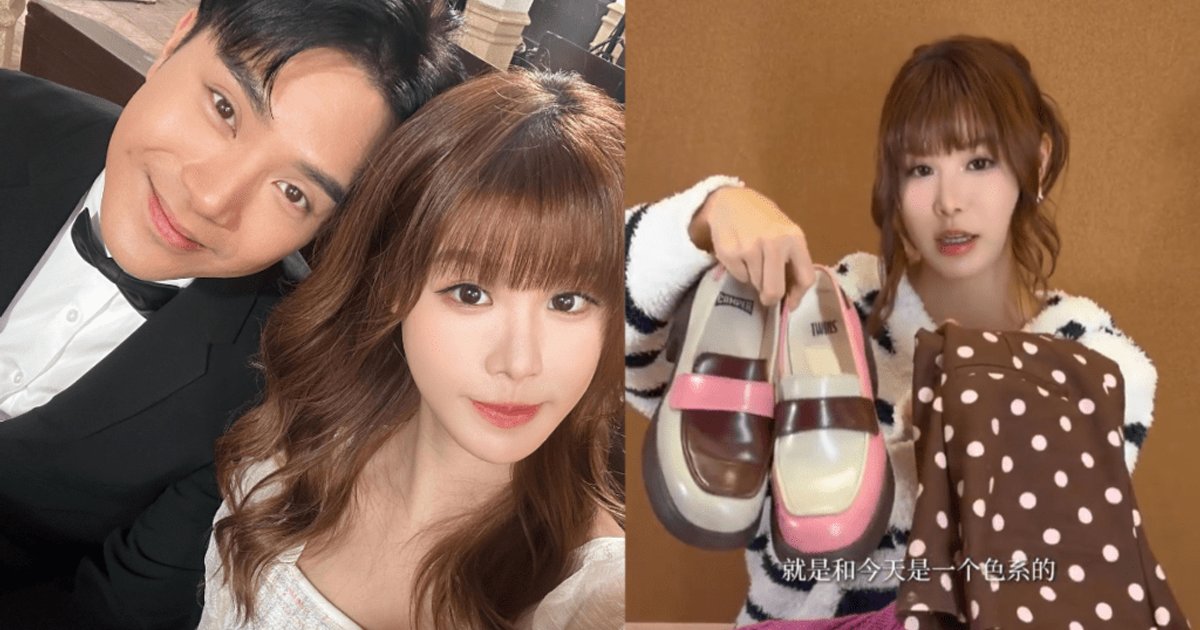
- She now regularly posts on Xiaohongshu, including Pink Date Outfit OOTD and Foolproof Tiramisu tutorial videos
- Netizens previously criticized her as one of the show's least popular female characters and sparked plastic surgery speculation
- Co-star Jiao Ho-kin (who played Ah Chong) returned to hosting The Trendy City and works as a fitness instructor
- Teng Lai-ming (who played Bear Shangshan) is actively developing live-stream e-commerce alongside her acting work
- Gu's family reportedly enjoys substantial wealth despite her claims parents run a modest business
Why It Matters
Gu's case illustrates a broader shift in Hong Kong's entertainment landscape, where traditional TV careers no longer guarantee stability after popular shows end, pushing actors to diversify income through social media and e-commerce at different paces depending on their financial circumstances .
Gu's case illustrates a broader shift in Hong Kong's entertainment landscape, where traditional TV careers no longer guarantee stability after popular shows end, pushing actors to diversify income through social media and e-commerce at different paces depending on their financial circumstances .