Kumamoto Aeon Mall Blast Linked to LPG Leak
Thestandard · 2 SOURCESabout 14 hours ago2 MIN
Summary
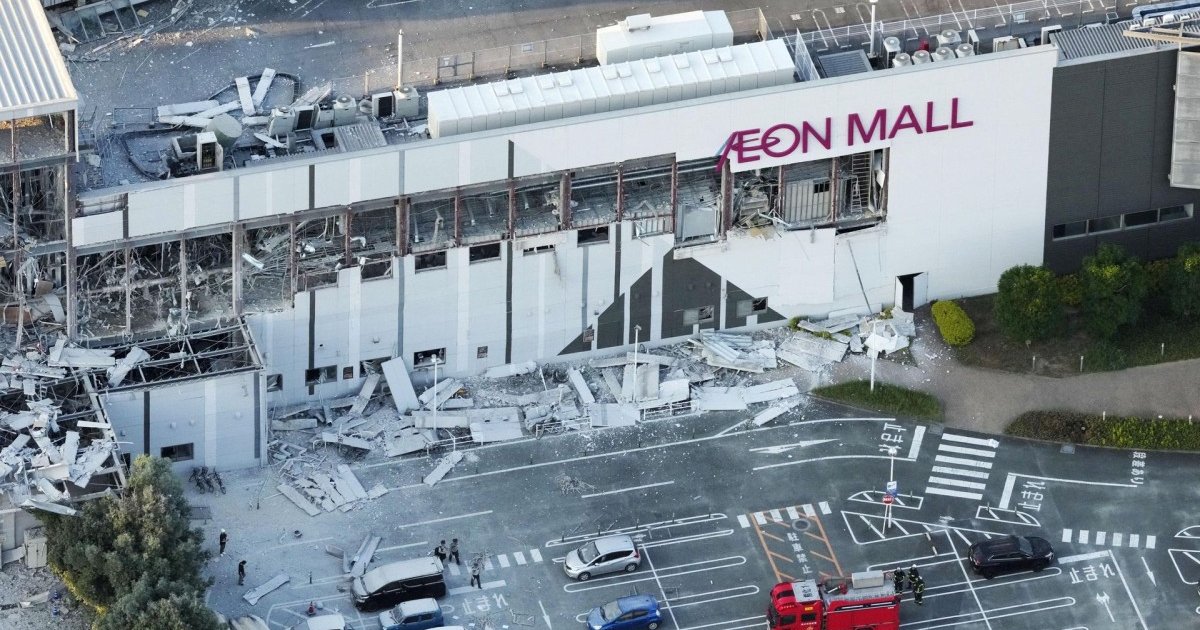
A joint investigation by Japan’s Ministry of Economy, Trade and Industry, police and fire authorities has concluded that the July 28 explosion at Aeon Mall Kumamoto was very likely caused by an LPG leak triggered by the 7.1-magnitude earthquake in Kumamoto prefecture. The explosion at the mall in Kashima killed seven people and left five others injured. Investigators believe earthquake damage may have ruptured LPG pipelines inside the building, allowing gas to accumulate before igniting. Supplier Fukuoka Oxygen said it had already submitted an accident report to Kumamoto prefecture and would cooperate fully with authorities.
Key Points
- The explosion struck Aeon Mall Kumamoto in Kashima on July 28, after a magnitude-7.1 earthquake hit Kumamoto prefecture, killing seven and injuring five people.
- Japan’s economy ministry said, after a joint probe with police and fire services, that an LPG explosion was the most likely cause.
- Investigators suspect the earthquake damaged liquefied petroleum gas pipelines inside the building, causing leaked gas to build up before ignition and fire.
- Fukuoka Oxygen, headquartered in Kurume, said it filed an accident report under the High Pressure Gas Safety Act on the same day.
- Authorities said LPG at the mall was mainly used by dining facilities and will check whether related equipment complied with safety standards.
Why It Matters
The case highlights how earthquake damage can trigger secondary industrial and building-safety disasters even after the initial shaking ends. It also puts attention on gas infrastructure resilience, emergency inspections and regulatory compliance in large commercial complexes that house restaurants and other fuel-using tenants.