Fake Roman Ruins Scam Fooled Italy for 20 Years
Bastillepost · 1 SOURCESabout 11 hours ago2 MIN
Summary
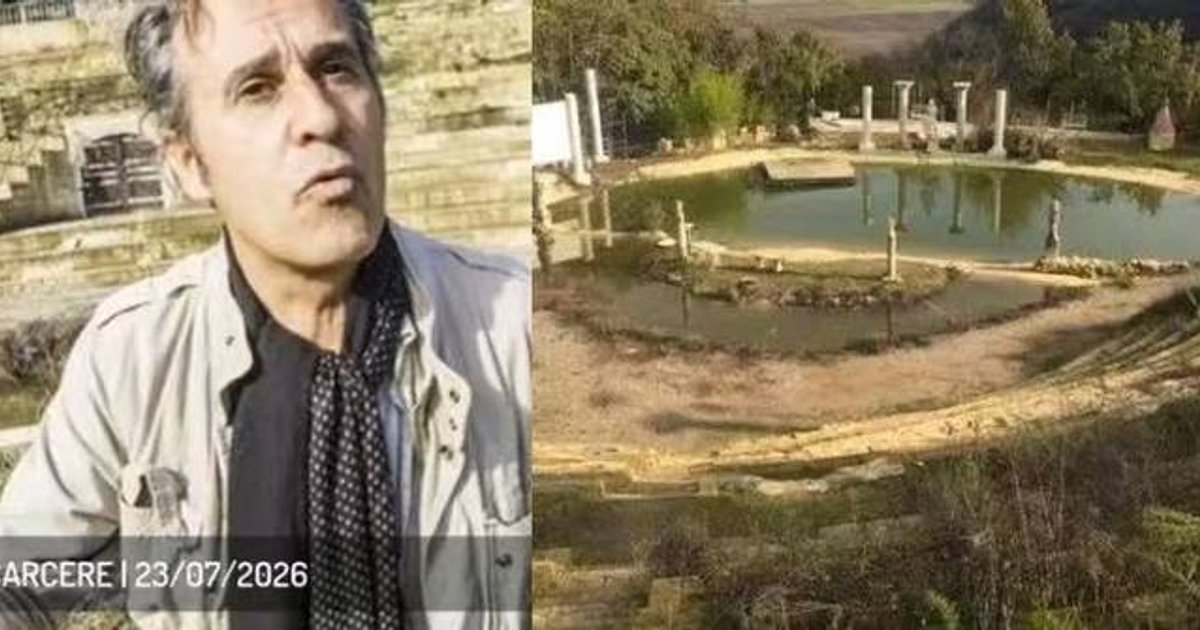
An Italian court has punished Franco Malosso after authorities concluded that his supposed Roman-era monument near Vicenza was in fact a modern imitation he built himself . For years, he claimed the so-called Berico Maritime Amphitheatre dated to AD 393 and had been visited by Julius Caesar, Cleopatra and Juliet, helping him attract paying visitors and official recognition . The deception lasted for almost 20 years and was convincing enough that the site was included in an EU-funded tourism guide and an official app . The case later collapsed under archaeological testing, historical inconsistencies and satellite evidence showing the “ruins” were newly constructed .
Key Points
- Malosso said he discovered the site after a 2005 landslide near Vicenza and named it the Berico Maritime Amphitheatre .
- He described it as over 1,630 years old, built in AD 393, and charged each visitor 40 euros for entry .
- His story claimed Julius Caesar, Cleopatra and Shakespeare’s Juliet had connections to the site, despite clear historical contradictions .
- In 2016, archaeologists working with Italy’s Carabinieri found fiberglass, papier-mâché columns, plaster bricks and gypsum statues inside .
- The 69-year-old was sentenced to two years and four months, fined 3,000 euros, and faces a 560,000-euro civil claim .
Why It Matters
The case shows how fabricated heritage narratives can exploit public fascination with antiquity, especially when wrapped in confident storytelling and institutional legitimacy . It also raises questions about how local authorities verify historical claims before promoting sites with public resources and tourism funding .