Trump-Netanyahu Heated Call on Iran Military Action Sparks Diplomatic Tension
SingTao · 2 SOURCESabout 6 hours ago2 MIN
Summary
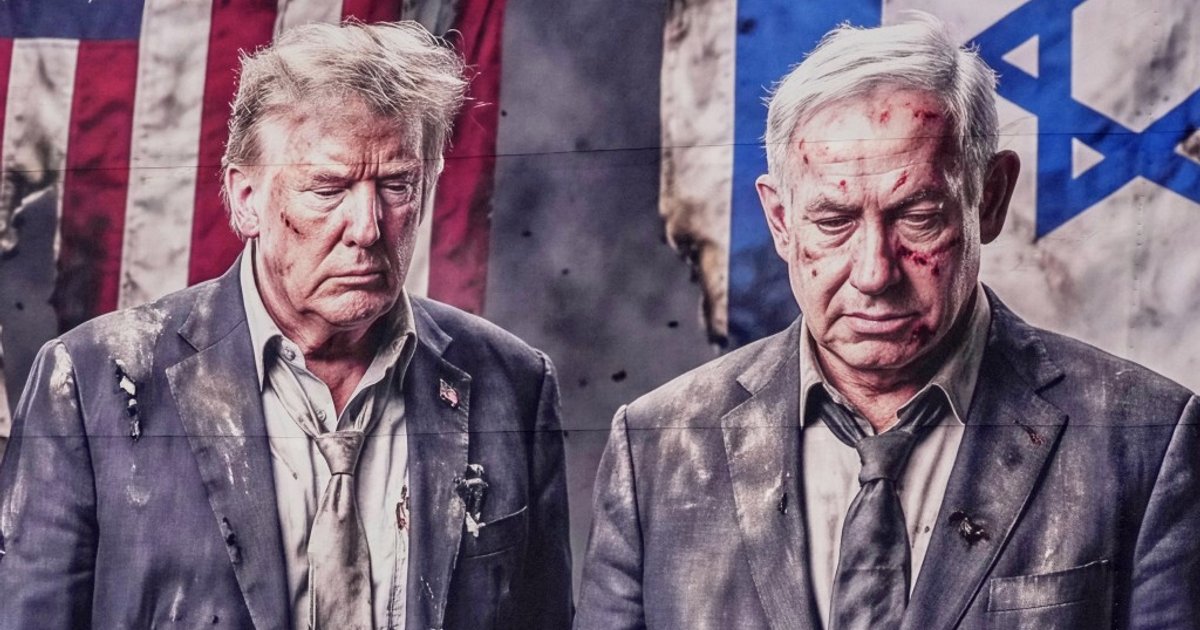
Reports emerging from Israeli media indicate that US President Trump and Israeli caretaker Prime Minister Netanyahu engaged in a heated exchange during a phone call last Saturday (November 11) regarding Iran policy. The conversation reportedly centered on whether to resume military operations against Tehran, with Netanyahu pushing for immediate action while Trump advocated for continued diplomatic engagement. Sources familiar with the matter described the call as "difficult" and evolving into "a hell of a heated argument" . The Israeli Prime Minister's Office has rejected the reports as completely baseless and fake news .
Key Points
- Trump and Netanyahu spoke by phone on Saturday, November 11, debating whether to restart military operations targeting Iran .
- Netanyahu reportedly urged Trump to resume military action against Iran, while Trump insisted on pursuing diplomatic negotiations with Tehran .
- Two sources described the conversation as "difficult" and characterized it as "a hell of a heated argument" .
- A separate Israeli official claimed the call was "not difficult at all," contradicting other accounts, while the PM's Office dismissed the reports entirely .
- The Financial Times reported that Netanyahu has been calling Trump "daily" to pressure him into restoring military operations against Iran .
Why It Matters
This reported clash highlights a significant policy divergence between Washington and Jerusalem at a critical juncture in Middle Eastern geopolitics. The widening gap between America's diplomatic-first approach and Israel's security-focused stance on Iran could complicate coordinated regional strategy and affect broader US foreign policy alignment in the Middle East .
This reported clash highlights a significant policy divergence between Washington and Jerusalem at a critical juncture in Middle Eastern geopolitics. The widening gap between America's diplomatic-first approach and Israel's security-focused stance on Iran could complicate coordinated regional strategy and affect broader US foreign policy alignment in the Middle East .