North Korea Fires Ballistic Missile Ahead of US-South Korea Drills
Thestandard · 2 SOURCESabout 2 hours ago2 MIN
Summary
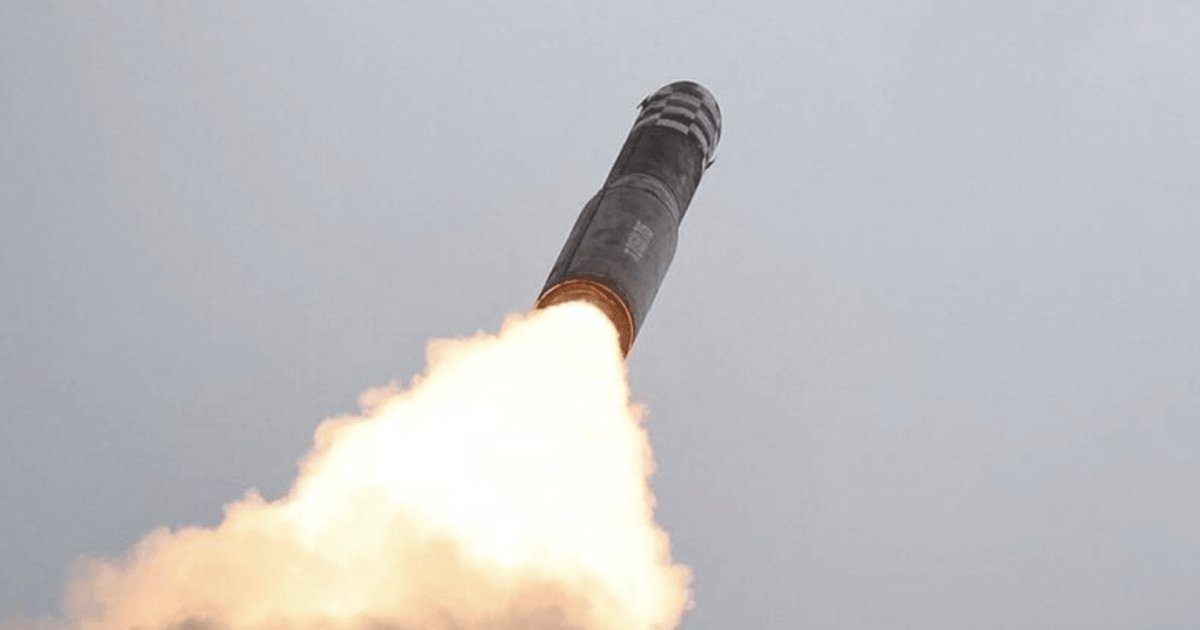
North Korea fired a ballistic missile from the Wonsan area on its east coast at approximately 6 a.m. local time on Wednesday, according to South Korea's Joint Chiefs of Staff . The projectile travelled around 700 km and reached a maximum altitude of roughly 90 km before landing in the sea outside Japan's exclusive economic zone . Japanese authorities confirmed the missile had landed in the water and lodged a strong protest through diplomatic channels at the Japanese Embassy in Beijing . South Korea's Office of National Security convened an emergency meeting to discuss the provocation .
Key Points
- The missile launch occurred from Wonsan area on North Korea's east coast at around 6 a.m. local time
- The projectile flew approximately 700 km and reached a maximum altitude of about 90 km
- Japan lodged a strong protest with North Korea through diplomatic channels at its Beijing embassy
- This marks North Korea's second ballistic weapons test in less than a week
- South Korea and the United States are scheduled to conduct major joint drills from August 17 to 27
Why It Matters
The timing of the launch, just days before the annual Ulchi Freedom Shield exercises, underscores the escalating tensions on the Korean Peninsula . North Korea views these joint military drills as a rehearsal for invasion and has historically responded to such exercises with provocative weapons tests and harsh rhetoric . Regional security coordination between Tokyo, Seoul, and Washington will likely intensify as North Korea continues its pattern of testing advanced weaponry while denouncing perceived external threats .
The timing of the launch, just days before the annual Ulchi Freedom Shield exercises, underscores the escalating tensions on the Korean Peninsula . North Korea views these joint military drills as a rehearsal for invasion and has historically responded to such exercises with provocative weapons tests and harsh rhetoric . Regional security coordination between Tokyo, Seoul, and Washington will likely intensify as North Korea continues its pattern of testing advanced weaponry while denouncing perceived external threats .