Japan Ministers Visit War Shrine, South Korea Summons Tokyo Envoy in Strong Protest
Bastillepost · 2 SOURCESabout 2 hours ago2 MIN
Summary
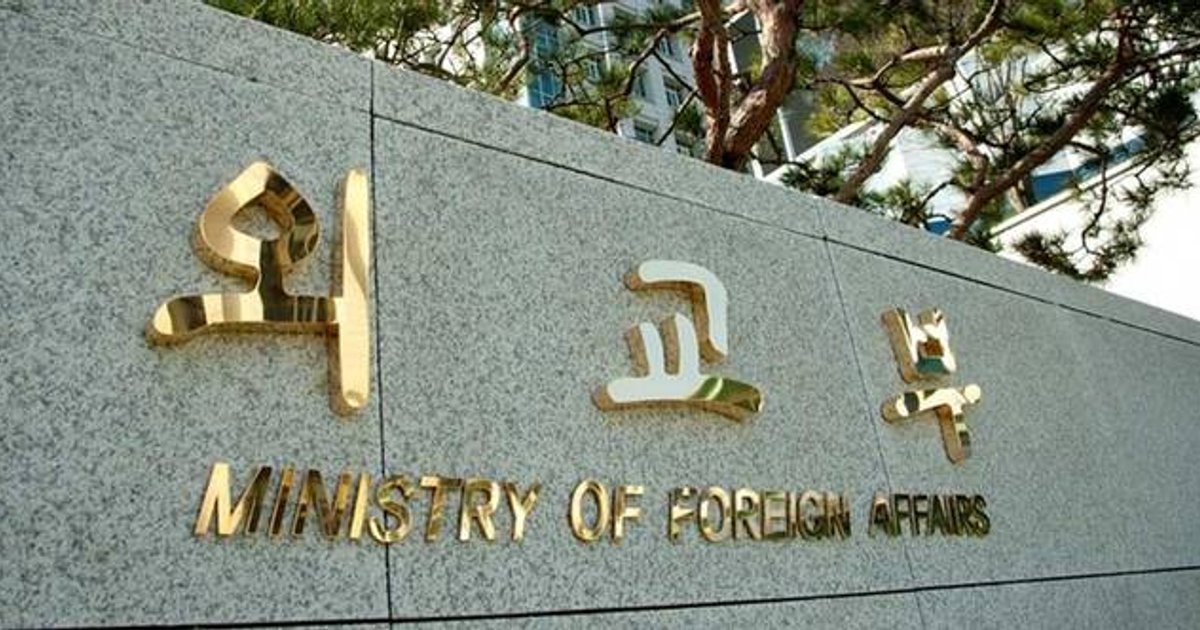
Japan commemorated the 81st anniversary of its World War II surrender on August 15, with Prime Minister Takashi Sasae providing ritual offerings to the Yasukuni Shrine in Tokyo. Multiple senior government officials, including at least four cabinet members and Liberal Democratic Party leaders, personally visited the shrine, which honors Class-A war criminals from the conflict. South Korea reacted sharply, with its Defense Ministry summoning a Japanese embassy defense official to lodge a strong protest, while the Foreign Ministry expressed deep regret over what it called Japan's forgetfulness of history and departure from the spirit of the times.
Key Points
- Prime Minister Takashi Sasae sent ritual donations to Yasukuni Shrine, which enshrines Class-A war criminals from World War II .
- At least four cabinet ministers, including Defense Minister Koizumi Shinjiro, personally visited the shrine alongside senior LDP officials .
- South Korea's Defense Ministry summoned Japan's embassy defense official to protest Koizumi's shrine visit, delivering a strong demarche .
- South Korea's Foreign Ministry stated that Japan's actions represent forgetting history and deviating from the spirit of the times .
- Both the ruling Democratic Party of Korea and opposition People's Power Party issued statements criticizing Japan's actions as irresponsible .
Why It Matters
The shrine visits highlight the persistent friction in Northeast Asian relations stemming from historical grievances. South Korea's direct summons of Japanese embassy officials signals a deterioration in diplomatic relations and underscores how historical reconciliation remains a fundamental obstacle to deeper regional cooperation among Japan, South Korea, and China .
The shrine visits highlight the persistent friction in Northeast Asian relations stemming from historical grievances. South Korea's direct summons of Japanese embassy officials signals a deterioration in diplomatic relations and underscores how historical reconciliation remains a fundamental obstacle to deeper regional cooperation among Japan, South Korea, and China .