Trump Leaves Shenzhen as Press Phones Seized
SingTao · 3 SOURCESabout 14 hours ago2 MIN
Summary
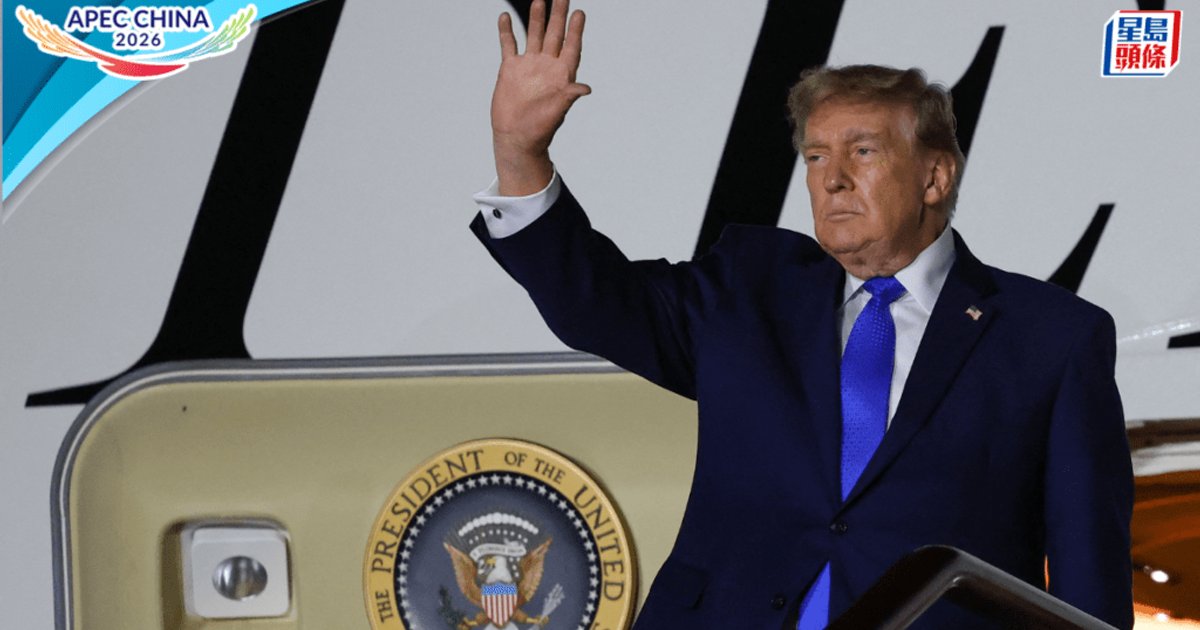
US President Donald Trump departed Shenzhen at about 6:50pm on November 19 after attending the APEC meeting there and a trilateral meeting involving the United States, China and Russia, according to SingTao, while other reports said he left Shenzhen on Thursday night from Shenzhen Bao'an International Airport aboard Air Force One. During boarding, White House staff imposed an unusual security measure on the traveling press corps by requiring reporters to surrender phones they had used in China for the return flight. The devices were placed in Faraday bags or other signal-blocking pouches and were returned after the aircraft reached the United States. Trump later said in a phone interview with NBC that Washington wanted to be careful and did not want people to have phones when they should not have them.
Key Points
- SingTao reported Trump ended his Shenzhen itinerary on November 19 and boarded Air Force One at about 6:50pm after the APEC meeting and a US-China-Russia trilateral meeting
- on.cc said Trump departed from Shenzhen Bao'an International Airport on Thursday night and returned to Washington aboard the presidential aircraft
- Reporters traveling with the president said US officials collected phones used in China and placed them in signal-blocking bags until arrival in the United States.
- NBC chief White House correspondent Garrett Haake said on social media that the press pool was told to hand over phones for security reasons, calling it highly unusual
- White House staff also collected temporary burner phones used by officials in China for destruction or data wiping, while some journalists had already isolated other devices before arrival.
Why It Matters
For Hong Kong readers, the episode shows how cyber-security concerns can directly shape even tightly managed diplomatic travel and media access arrangements. It also underlines that journalists and officials may now treat devices used on overseas assignments as potential security liabilities, affecting reporting logistics and communications on major international trips.