Okinawa Residents Protest US Typhon Missile Storage Plan at Kadena Base
SingTao · 2 SOURCESabout 3 hours ago2 MIN
Summary
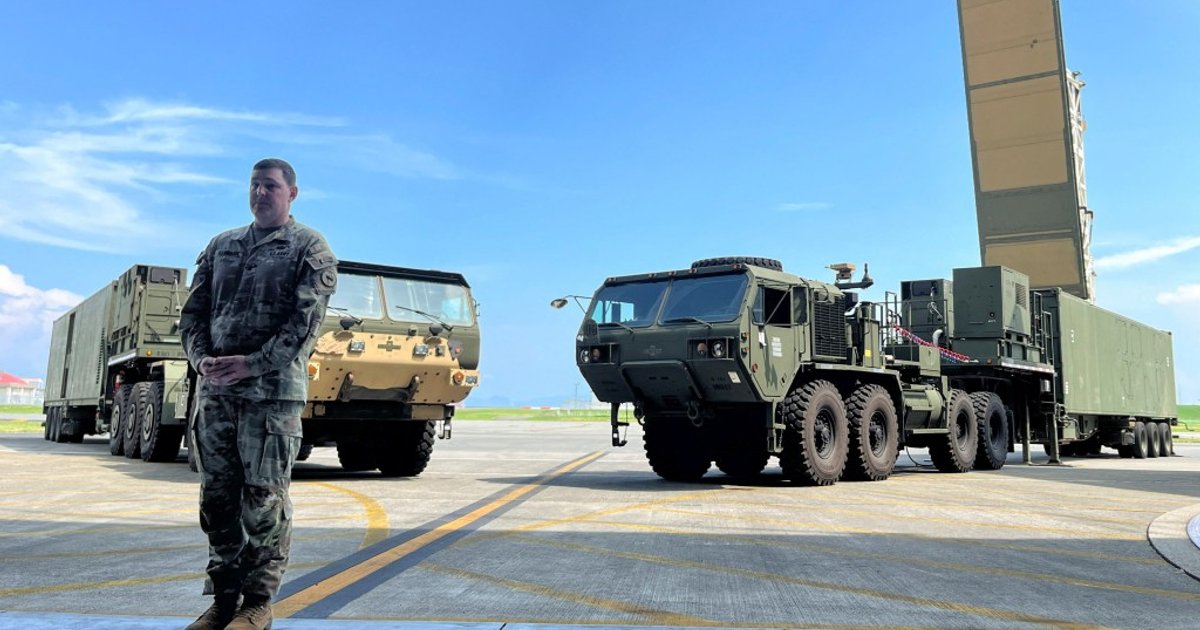
Kadena Town Mayor Tōyama Hiroshi lodged a formal protest with the Okinawa Defense Bureau on Monday (September 28), demanding the cancellation of US plans to store the Typhon mid-range missile launcher system at Kadena Base . The system, currently temporarily deployed at the Japan Maritime Self-Defense Force's Kanoya Air Base in Kagoshima Prefecture, is scheduled for removal around mid-October before being transferred to Kadena for storage . The mayor warned that without a specified storage duration, the temporary arrangement could evolve into permanent deployment, describing the plan as utterly unacceptable . The Okinawa Defense Bureau responded that the storage arrangement serves to strengthen deterrence capabilities of the Japan-US alliance .
Key Points
- Kadena Town Mayor Tōyama Hiroshi visited the Okinawa Defense Bureau on September 28 to protest the US Typhon storage plan
- The Typhon launcher system, capable of firing Tomahawk cruise missiles, will be removed from Kanoya Air Base around mid-October
- C-17 Globemaster transport aircraft will be used to move the Typhon system and HIMARS rocket launchers to Kadena Base
- Mayor Tōyama submitted a petition demanding withdrawal of the plan, calling it "absurd to the extreme" and indicative of distrust toward both governments
- Okinawa Defense Bureau Chief Murai Masaru requested local understanding, citing the need to strengthen Japan-US alliance deterrence
- The HIMARS (High Mobility Artillery Rocket System) is also scheduled for storage at Kadena alongside the Typhon system
Why It Matters
The potential permanent deployment of advanced US missile systems on Okinawa would significantly alter the regional security landscape in the East China Sea, with implications extending to the broader Asia-Pacific balance of power and neighbouring countries' strategic calculations .
The potential permanent deployment of advanced US missile systems on Okinawa would significantly alter the regional security landscape in the East China Sea, with implications extending to the broader Asia-Pacific balance of power and neighbouring countries' strategic calculations .