Australian Frozen Yogurt Chain Yo-Chi Opens in London, Sparking 3-Hour Queues and Pricing Debate
AM730 · 1 SOURCESabout 2 hours ago2 MIN
Summary
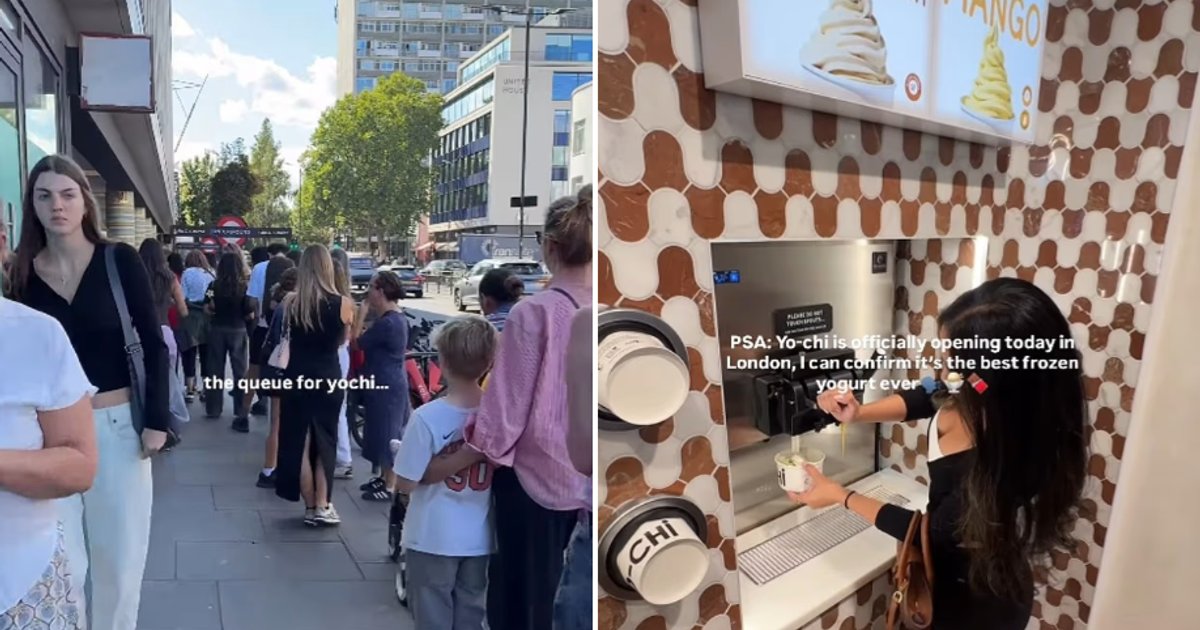
Australian self-serve frozen yogurt brand Yo-Chi has launched its first UK store in Notting Hill, London, drawing enormous crowds with wait times reportedly reaching three hours. Founded in 2012 by Australian billionaire Manny Stul, the brand charges £2.70 per 100g, with most servings costing between £10 and £15.50 (approximately HK$105 to HK$163). The opening has sparked heated online debates, with critics calling the queues excessive while supporters defend the brand's cult following.
Key Points
- Yo-Chi opened its first UK store in Notting Hill, London, with customers traveling from Birmingham, Coventry, and Essex, some starting to queue at 6:30 AM
- The self-serve model charges £2.70 per 100g, allowing customers to add toppings like dried fruits, nuts, cake crumbs, mochi, jams, and fruit pearls
- The brand was founded in 2012 by Australian billionaire Manny Stul and decided to enter the UK market after receiving thousands of messages from British consumers
- Online videos showed queues stretching toward High Street Kensington, with the situation remaining unchanged nearly a week after opening
- Critics compare the phenomenon to Labubu and Stanley cup crazes, attributing it to FOMO (fear of missing out) and social media herd mentality
Why It Matters
The Yo-Chi phenomenon illustrates how social media-driven hype can transform ordinary products into cultural events, raising questions about consumer behavior in an era of lifestyle cost-of-living pressures. For Hong Kong readers familiar with similar frenzies around collectibles and food trends, this case demonstrates the global nature of FOMO-driven consumption.
The Yo-Chi phenomenon illustrates how social media-driven hype can transform ordinary products into cultural events, raising questions about consumer behavior in an era of lifestyle cost-of-living pressures. For Hong Kong readers familiar with similar frenzies around collectibles and food trends, this case demonstrates the global nature of FOMO-driven consumption.