Why Hong Kong's Architectural Vision Remains Excluded from the System
HK01 · 1 SOURCESabout 2 hours ago6 MIN
Summary
This commentary by Hong Kong architect and cultural commentator Hugo Ho (胡恩威) compares the bold architectural visions emerging in mainland Chinese cities—particularly Shenzhen—with the institutional approach in Hong Kong. The article profiles several Chinese architects who have won prestigious international awards by developing contemporary architectural languages rooted in Chinese traditions, materials, and ways of living, while questioning why Hong Kong's creative potential remains constrained within standardized institutional frameworks.
Key Points
- Ma Yansong designed Tencent's "Cloud Center" in Shenzhen's Dachan Bay with three circular buildings floating 8.6 meters above ground, creating a two-story void for public use
- Wang Shu won the 2012 Pritzker Prize as the first Chinese architect to receive the honor, using 7 million reclaimed bricks from demolition sites in his China Academy of Art Xiangshan Campus
- Liu Jiakun won the 2025 Pritzker Prize for his Xicun Courtyard in Chengdu, which encloses hot pot restaurants, tea houses, offices, residences, and sports fields under one roof
- Xu Tiantian won the 2025 Wolf Prize in Architecture for her "architectural acupuncture" approach, transforming abandoned rural structures into cultural and community spaces in Songyang and Jinyun
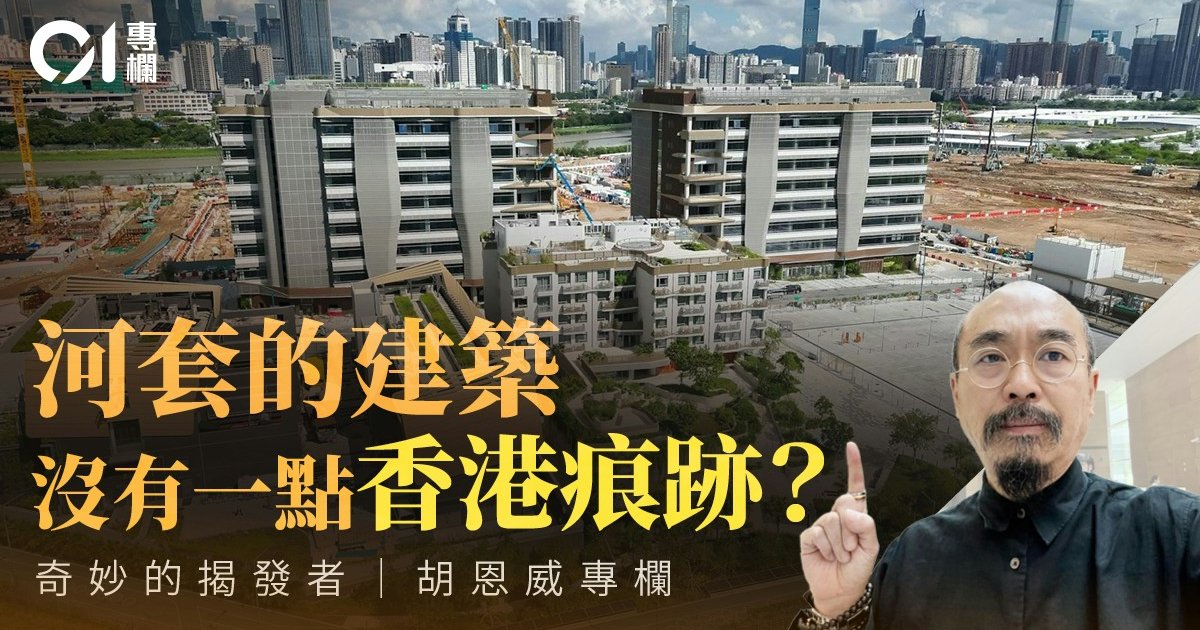
- The Hong Kong-Shenzhen Innovation and Technology Park has over 100 tech companies signed up, but its architectural renderings show standardized rectangular towers lacking innovation
- Hong Kong architect Gary Chang's "Domestic Transformer" demonstrates exceptional spatial imagination by creating 24 different layouts in a 344-square-foot unit using sliding wall panels
Why It Matters
The contrast between mainland China's architectural dynamism and Hong Kong's institutional conservatism raises questions about how the city can position itself as a truly innovative hub when its flagship technology projects communicate nothing of the creative spirit they are meant to embody. As mainland Chinese architects demonstrate that contemporary design can emerge from local traditions and contexts, Hong Kong faces a challenge to unlock its own architectural imagination from within a system that appears to prioritize standardization over originality .
The contrast between mainland China's architectural dynamism and Hong Kong's institutional conservatism raises questions about how the city can position itself as a truly innovative hub when its flagship technology projects communicate nothing of the creative spirit they are meant to embody. As mainland Chinese architects demonstrate that contemporary design can emerge from local traditions and contexts, Hong Kong faces a challenge to unlock its own architectural imagination from within a system that appears to prioritize standardization over originality .