Takaichi to attend Shenzhen APEC, Japan-China talks undecided
AM730 · 3 SOURCESabout 3 hours ago6 MIN
Summary
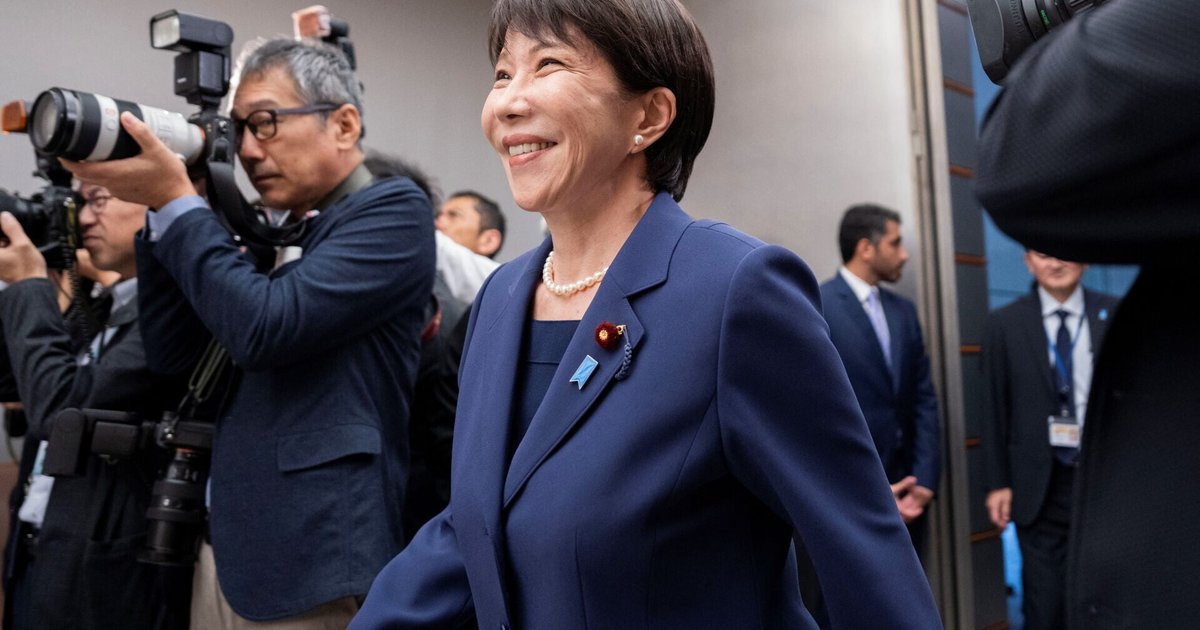
Japan’s government is coordinating for Prime Minister Sanae Takaichi (高市早苗) to attend the APEC leaders’ meeting in Shenzhen next month, according to Foreign Minister Toshimitsu Motegi (茂木敏充). Motegi said any bilateral meetings during the summit, including a possible encounter with Chinese President Xi Jinping, remain under consideration and have not been settled. He also said Japan fully understands the “One China” position and respects the four political documents between Japan and China, while seeking a constructive and stable relationship through communication. Separately, Defence Minister Shinjiro Koizumi (小泉進次郎) said he would attend an ASEAN defence meeting in the Philippines and hold talks with the defence ministers of the United States, South Korea and the Philippines.
Key Points
- Motegi told a House of Councillors foreign and defence committee on October 27 that Japan was making arrangements for Takaichi to attend the APEC leaders’ meeting in Shenzhen next month.
- Asked whether a Japan-China leaders’ meeting would be held during APEC, Motegi said talks were still being considered and he could not disclose which countries Japan might meet.
- Motegi said Japan “fully understands” the “One China” stance and respects the four political documents in the Japan-China relationship.
- He described China as an important neighbour and said Tokyo hoped to build a constructive, stable relationship with Beijing through communication.
- Defence Minister Koizumi said he would attend a three-day ASEAN expanded defence ministers’ meeting in the Philippines from October 28 and discuss stronger cooperation with US, South Korean and Philippine counterparts.
Why It Matters
For Hong Kong readers, a possible Takaichi-Xi meeting at Shenzhen’s APEC summit would be a closely watched sign of whether Beijing and Tokyo can stabilise ties through direct leader-level contact. The parallel defence diplomacy in the Philippines also shows that economic summitry and regional security coordination are moving at the same time in East Asia, which can affect the wider political climate around South China trade and travel links.