Hong Kong Civil Servants to Get Family Care Leave from January
HK01 · 8 SOURCESabout 21 hours ago2 MIN
Summary
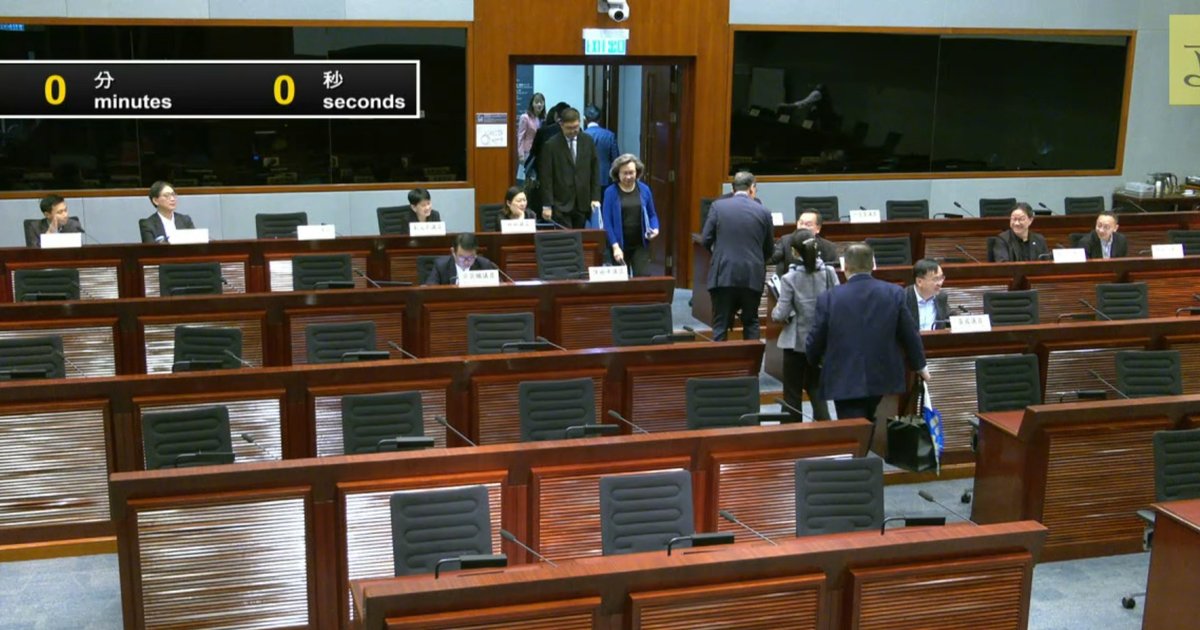
The government will introduce a Family Care Leave scheme for civil servants starting January next year, providing up to 12 hours annually to handle family matters. The Civil Service Bureau Director Yeung Ho Pui-yan told legislators the scheme eliminates the need for documentary proof in most cases, trusting staff to use the leave responsibly. Lawmakers questioned whether the policy could be expanded beyond the civil service and raised concerns about potential abuse.
Key Points
- Each civil servant will receive 12 hours of Family Care Leave per year, with applications ranging from 1 to 4 hours per instance
- Leave covers accompanying family members to medical appointments, attending children's school events, and handling sudden family matters
- Pet care and personal emergencies like car breakdowns are explicitly excluded from eligible reasons
- Yeung said no proof documents are required unless supervisors have doubts about a specific application
- The government hopes to set a good employer example and encourage other industries to adopt similar measures
Why It Matters
This policy represents a significant enhancement to family-friendly employment practices in Hong Kong's public sector, potentially influencing private employers to follow suit . The hourly-based approach offers greater flexibility compared to traditional half-day leave systems, allowing civil servants to better balance work and family responsibilities . However, the lack of documentary requirements raises questions about accountability that will likely be monitored as the scheme rolls out .
This policy represents a significant enhancement to family-friendly employment practices in Hong Kong's public sector, potentially influencing private employers to follow suit . The hourly-based approach offers greater flexibility compared to traditional half-day leave systems, allowing civil servants to better balance work and family responsibilities . However, the lack of documentary requirements raises questions about accountability that will likely be monitored as the scheme rolls out .