King Charles Labels Slavery 'Monstrous Injustice' at Commonwealth Summit
SCMP · 2 SOURCES1 day ago2 MIN
Summary
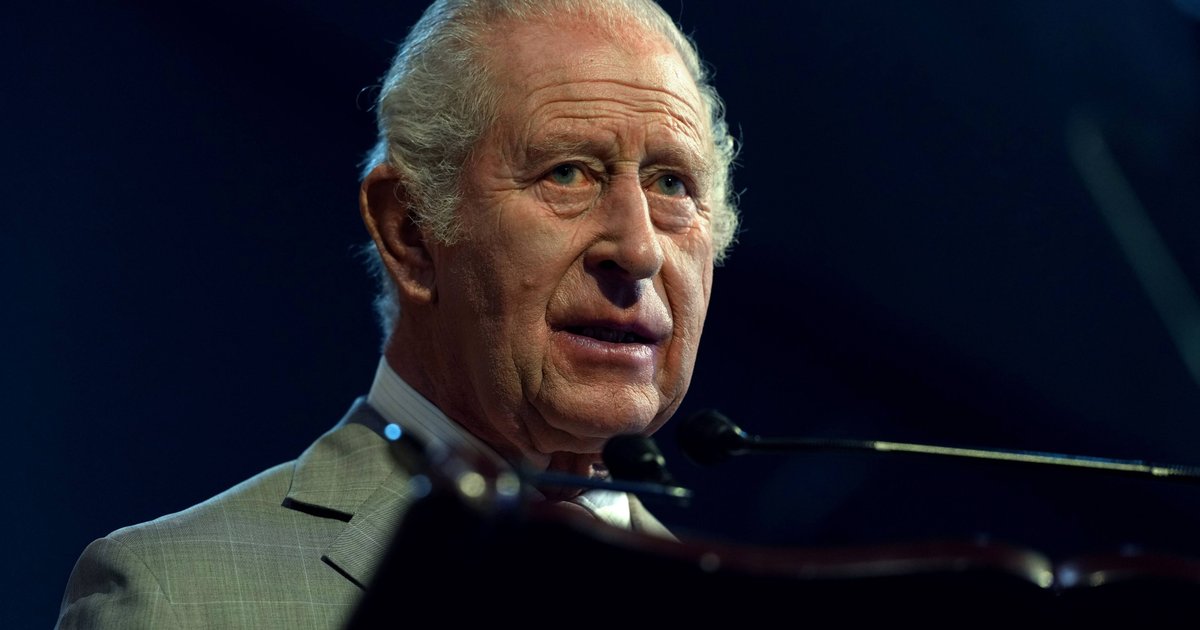
King Charles on Tuesday branded the transatlantic slave trade a "monstrous injustice" in his opening address at the Commonwealth Heads of Government Meeting (CHOGM) in Antigua and Barbuda. The monarch told leaders from the 56-nation Commonwealth, most of which are former British colonies, that the trade "still casts a shadow over these islands" and that the shameful chapter fills his heart with horror and soul with profound personal sorrow .
Key Points
- The summit, held in the Caribbean nation of Antigua and Barbuda, brought together leaders from all 56 Commonwealth member states, many of which are former British colonies .
- King Charles, as head of the Commonwealth, expressed that his increased understanding of slavery's horrors has made him more determined to address past wrongs while emphasizing the need to build modern partnerships .
- UK Prime Minister Andy Burnham, in office since July, used the summit for bilateral discussions including a meeting with Barbados Prime Minister Mia Mottley on Monday about Britain's role in slavery .
- Burnham stated he is open to issuing a formal apology but has ruled out paying financial reparations demanded by some Caribbean nations, estimating 10-15 million Africans were brought to the Americas over four centuries .
- Charles noted that while history cannot be changed, the Royal Navy played a leading role in ending the international slave trade, demonstrating that courage can overcome injustice .
Why It Matters
Britain's pivotal role in the transatlantic slave trade has long strained relations with its former colonies, and this summit marks the first major opportunity for the new Labour government to address these historical grievances directly with Commonwealth leaders . The royal family's own historical connections to the slave trade add complexity, as Charles, while expressing personal sorrow, remains politically neutral and cannot announce government policy on reparations . The outcome of these discussions could reshape diplomatic ties across the Commonwealth and set precedents for how former colonial powers engage with historical injustices.
Britain's pivotal role in the transatlantic slave trade has long strained relations with its former colonies, and this summit marks the first major opportunity for the new Labour government to address these historical grievances directly with Commonwealth leaders . The royal family's own historical connections to the slave trade add complexity, as Charles, while expressing personal sorrow, remains politically neutral and cannot announce government policy on reparations . The outcome of these discussions could reshape diplomatic ties across the Commonwealth and set precedents for how former colonial powers engage with historical injustices.